
When Your Vape Becomes a Waste Problem: Uncovering the Hidden Environmental Toll
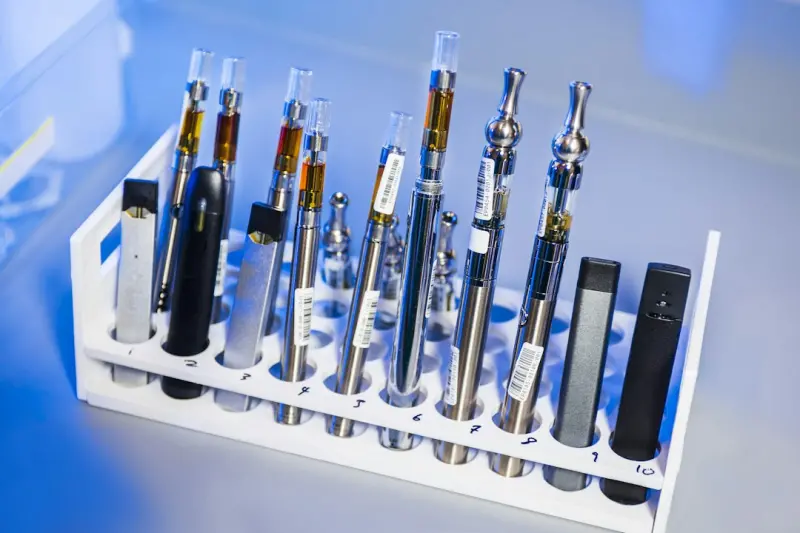
Let’s be real: the sleek, metallic cartridge that fits snugly in your palm feels like a tiny piece of future tech. It’s stylish, it’s portable, and for many of us, it’s a ritual that punctuates a long work‑from‑home day or a late‑night gaming session. Yet, tucked behind that glossy exterior lies a growing environmental dilemma that most vapers—myself included—barely consider.
In my early days of switching from cigarettes to vaping, the biggest win was obvious: no ash, no lingering smell, and a dramatic cut in the number of cardboard boxes of butts littering my desk. But fast forward a few months, and the tiny cartridges began to pile up in the trash bin, each one a miniature landfill waiting to happen. The truth is, disposable vapes are the new single‑use plastic crisis, and they’re sneaking into our ecosystems faster than we can say “recharge.”
The Disposable Vaping Boom: Numbers That Matter
According to industry reports, the global market for disposable e‑cigarettes surged by double digits in just the last couple of years. Brands launch fresh flavors every week—think “Mango Ice” or “Cinnamon Swirl”—and they’re designed to be tossed after a few hundred puffs. The convenience factor is undeniable, but it also means a massive influx of electronic waste (e‑waste) that traditional recycling streams aren’t equipped to handle.
- Plastic shells: Most disposable vapes are encased in polypropylene or polyethylene, plastics that can linger in the environment for centuries.
- Battery waste: Tiny lithium‑ion cells power each puff, and when they’re discarded without proper processing, they release harmful metals like cobalt and nickel into soil and water.
- Nicotine‑laden e‑liquids: The residual liquid can contain nicotine, flavoring chemicals, and trace amounts of heavy metals, posing a risk to wildlife that might ingest them.
When you add up the millions of devices sold weekly, the cumulative effect is staggering. A single city’s waste management system can be overwhelmed within days, leading to improper disposal in landfills, waterways, or—worse—the natural environment.
Why Indoor Air Quality Takes a Hit
Beyond the landfill nightmare, there’s an immediate impact on the air we breathe inside our homes. While vaping is often marketed as a “cleaner” alternative to smoking, the aerosol it generates isn’t harmless. Studies have shown that the vapor contains fine particulate matter (PM2.5) and volatile organic compounds (VOCs) that linger in indoor air. In fact, if you’ve ever wondered how indoor air quality suffers from vaping, you’ll find that the answer lies in the same chemicals that contribute to the larger e‑waste problem—tiny particles that can travel deep into our lungs and settle on surfaces.
When a disposable vape is used repeatedly in a confined space, the emitted particles can accumulate on curtains, carpets, and even the upholstery of your favorite gaming chair. Over time, this can exacerbate allergies, trigger asthma, and create an invisible layer of contamination that’s hard to scrub away.
The Lifecycle of a Disposable Vape: From Production to Pile‑up
Understanding the full lifecycle of these devices helps us see why the problem is so entrenched.
- Manufacturing: The production process relies on petroleum‑based plastics and mining of rare earth metals for batteries. This alone carries a significant carbon footprint.
- Distribution: Fast‑shipping logistics often involve air freight, adding further greenhouse‑gas emissions.
- Use: Each puff releases aerosols that contain nicotine, flavorings, and trace metals.
- Disposal: Most users toss the whole unit into regular trash, where it ends up in landfills or, worse, in the ocean.
Unlike traditional cigarettes, which are largely biodegradable (aside from the filter), a disposable vape leaves behind a cocktail of non‑degradable components that can persist for decades.
Regulatory Gaps: The Wild West of Vape Waste
Many regions have robust regulations for cigarette butt litter, but the same attention hasn’t been given to e‑cigarette waste. In the United States, the Environmental Protection Agency (EPA) classifies e‑cigarette batteries as hazardous waste, but enforcement is patchy, especially for the plastic components. Europe’s Waste Electrical and Electronic Equipment (WEEE) Directive does cover e‑waste, but compliance varies widely across member states, and disposable vapes often slip through the cracks because they’re marketed as “consumables” rather than “electronics.”
The lack of clear labeling—no recycling symbols, no disposal instructions—means consumers are left guessing. This regulatory vacuum creates a perfect storm where manufacturers can continue to push disposable units without taking responsibility for their end‑of‑life impact.
What the Industry Is (and Isn’t) Doing
Some forward‑thinking brands are beginning to address the waste issue. A few have introduced take‑back programs, offering discounts on future purchases when you return used cartridges. Others are experimenting with biodegradable casings made from plant‑based polymers. However, these initiatives remain the exception rather than the rule.
Meanwhile, the market is saturated with low‑cost, high‑turnover products that prioritize flavor variety over sustainability. The broader cultural shift around vaping has turned flavor innovation into a marketing arms race, and that race is fueling the disposable frenzy.
Practical Steps for Vapers Who Care About the Planet
If you love the ritual of vaping but don’t want to be complicit in a growing waste crisis, there are concrete actions you can take:
- Switch to refillable devices: A sturdy, rechargeable vape mod paired with replaceable pods reduces plastic waste dramatically. The upfront cost is higher, but the long‑term savings—and environmental payoff—are worth it.
- Participate in take‑back programs: Look for brands that offer recycling or mail‑in options for used cartridges. Even if the program is limited, every returned unit helps.
- Dispose of batteries properly: Many local hardware stores and recycling centers accept lithium‑ion batteries. Never toss them in the regular trash.
- Support legislation: Advocate for stricter e‑waste regulations and mandatory recycling labeling on disposable vapes.
- Educate your circle: Share the hidden costs of disposable vaping with friends. A simple conversation can shift buying habits.
The Bigger Picture: Vaping, Climate Change, and Consumer Power
Every puff you take isn’t just a personal choice; it’s a micro‑action that ties into larger climate dynamics. The production of plastics and batteries emits CO₂, and the energy used to ship millions of disposable units worldwide adds to the carbon budget. By opting for reusable systems, you’re essentially cutting out a small but meaningful chunk of that emissions trail.
Think of it this way: if a single disposable vape contributes roughly 0.5 kg of CO₂ equivalents (including manufacturing, transport, and disposal), then a habit of using five devices a week translates to 130 kg of CO₂ per year—about the same emissions generated by driving a gasoline car for 300 miles. It may sound modest, but multiply that by the millions of users worldwide, and you have a substantial carbon footprint that’s often overlooked in climate discussions.
Designing a Sustainable Vaping Future
Innovation isn’t limited to flavor; it can also be about form and function. Imagine a future where:
- Vape cartridges are made from fully compostable bioplastics that break down in months, not centuries.
- Battery technology evolves to use safer, recyclable materials that can be harvested for reuse.
- Smart vapes include QR codes that link directly to local recycling drop‑off points.
- Regulatory frameworks enforce a “producer responsibility” model, making manufacturers fund and manage the end‑of‑life processing of their products.
These aren’t pipe dreams. Some startups are already prototyping compostable pods, and a handful of municipalities are piloting e‑waste kiosks that accept vaping devices. The key is consumer demand—if we, the vapers, start prioritizing sustainability, the market will follow.
Conclusion: Your Vape, Your Responsibility
Vaping isn’t just a personal habit; it’s a cultural phenomenon with environmental repercussions that ripple far beyond the clouds of vapor you exhale. By recognizing the hidden waste problem, taking actionable steps, and championing industry change, we can keep our rituals enjoyable without compromising the planet.
So the next time you reach for that disposable pen, ask yourself: Is the convenience worth the cost to the earth? The answer might surprise you, and the shift you make could be the spark that propels the entire community toward a cleaner, greener future.

Jessica Hall is a dynamic freelance writer based in the vibrant city of London, Ontario. As a dedicated single mom, she expertly juggles the demands of parenthood with her passion for storytelling, crafting compelling narratives that resonate with readers. With a background in retail, Jessica brings a unique perspective to her writing, infusing her work with insights drawn from her experiences
Related Posts

The Unseen Cost of Clouds: How Vaping Shapes Our Planet and Our Choices
A deep dive into vaping’s ecological footprint reveals the hidden costs of disposable devices, bat... Read More

A Personal Journey Through Flavor, Health, and Mindful Vaping
Discover how one vaper transforms flavor choices, health metrics, and social rituals into a mindful,... Read More

Flavor Engineering: The Hidden Science Behind Vaping’s Addictive Appeal
Vaping’s allure goes far beyond nicotine; it’s the meticulously crafted flavors that hijack our ... Read More
Top Posts

Turning Health Insurance into a Strategic Growth Engine
Health insurance can be a catalyst for business growth. This post reveals how preventive care, mental‑health benefits, and wellness stipends turn a line‑ite...Read More

Tiny Daily Rituals That Supercharge Healthy Aging
Explore the power of micro‑movements, breath work, and tiny nutrition tweaks that together create a compound effect, helping you age with vitality and ease....Read More
Turn Your Health Insurance Into a Personal Wellness Engine
Learn how to leverage preventive benefits, mental health coverage, and smart savings strategies to make your health insurance work harder for your health....Read More

Unlocking Muscle Growth with Wearable‑Powered Hypertrophy Coaching
Discover a data‑driven approach to muscle gain that leverages wearables for real‑time velocity, HRV, and sleep insights, turning everyday metrics into a pow...Read More
0 Comments
Post Comment
You will need to Login or Register to comment on this post!