

Why Your Taste Buds Are the Unsung CEOs of Your Day
When I first stepped into a boardroom armed with a kale‑filled smoothie, I expected the conversation to pivot around numbers, not nutrition. Instead, I watched as the subtle citrus zing sparked a sudden surge of curiosity in my colleagues. It wasn’t the caffeine or the macro‑counts that lit that fire—it was the flavor itself, silently cueing their brains to shift gears.
Most professionals think of nutrition as calories, protein percentages, and the occasional vitamin supplement. That’s the operational view. What I’ve learned over the past decade is that the sensory experience of eating—the aroma, the texture, the lingering aftertaste—acts as a strategic lever for focus, creativity, and emotional resilience. In this post, I’m pulling back the curtain on flavor psychology and giving you a playbook to turn every bite into a performance‑boosting moment.
The Science That Connects Taste to Thought
Our taste buds are more than passive receptors; they’re part of a sophisticated feedback loop that informs the brain about the environment. When you bite into something bitter, your brain registers a potential toxin and triggers caution. Sweetness signals quick energy, while umami cues protein availability. But beyond these survival instincts, modern research shows that flavor patterns can modulate neurotransmitter release, influencing dopamine, serotonin, and even norepinephrine levels—key players in motivation, mood, and attention.
For example, a study published in Nature Neuroscience found that participants who consumed a modest amount of dark chocolate (rich in flavonoids and a hint of bitterness) exhibited a 15% increase in cerebral blood flow to the prefrontal cortex, the region responsible for decision‑making and problem‑solving. The effect wasn’t about sugar spikes; it was the complex flavor matrix that engaged the brain’s reward system.
Flavor as a Cognitive Cue: Turning Meals Into Mental Hacks
Imagine you have a high‑stakes presentation at 10 a.m. and another at 3 p.m. Instead of reaching for the same bland protein bar twice, you could engineer your palate to cue different mental states.
- Morning: Bright, citrusy, lightly sweet – Signals alertness and primes dopamine pathways for quick thinking.
- Mid‑day: Umami‑rich, savory, slightly salty – Supports sustained concentration and stabilizes blood‑sugar without the crash.
- Afternoon: Warm, slightly bitter, aromatic spices – Engages the brain’s stress‑buffering mechanisms, helping you stay calm under pressure.
By pairing flavors with the cognitive demands of your schedule, you create a Pavlovian rhythm that helps your brain anticipate and adapt.
Designing Your Plate for Peak Performance
Here’s a step‑by‑step framework I use with executive clients:
- Identify the mental goal. Is it creativity, analytical focus, or stress resilience?
- Select a flavor family. Use the taste‑cognition map above to choose citrus, umami, or bitter notes.
- Layer textures. Crunch triggers alertness; creaminess soothes the nervous system.
- Incorporate aroma. Smell is the fastest route to the limbic system. A dash of rosemary or a spritz of grapefruit zest can amplify the intended effect.
- Balance macros mindfully. While flavor leads, macro‑balance ensures sustained energy. Pair a sweet fruit with a handful of nuts for protein and healthy fat.
Below is a sample “focus plate” I recommend for a mid‑morning brainstorming session:
- Mixed greens with a citrus‑mint vinaigrette
- Grilled salmon (rich in omega‑3s) topped with a light soy‑ginger glaze
- Fresh berries tossed with a sprinkle of black pepper (the subtle heat awakens the senses)
- A side of roasted chickpeas seasoned with smoked paprika for crunch and depth
The combination of bright acidity, umami depth, and a touch of spice creates a multi‑sensory orchestra that primes the brain for divergent thinking.
Practical Flavor Hacks for the Busy Professional
Implementing a flavor‑first strategy doesn’t require a culinary degree. Here are five quick tactics you can start today:
- Spice your water. Add a slice of lemon, a pinch of cayenne, or a few cucumber ribbons. The subtle taste keeps you hydrated while subtly influencing alertness.
- Season in layers. Instead of a single dash of salt, finish dishes with a splash of citrus juice or a sprinkle of toasted sesame seeds. Each layer adds a new sensory cue.
- Use aroma boosters. Keep a small bottle of essential oil (peppermint or rosemary) at your desk. A quick whiff before a call can sharpen focus.
- Rotate flavor themes weekly. One week, emphasize bright, citrusy meals; the next, explore earthy, umami‑rich dishes. Your brain will learn to associate each theme with different work modes.
- Mindful tasting. Take three breaths, then chew slowly, noticing the progression from first bite to aftertaste. This practice heightens sensory awareness and reduces stress.
Seasonal & Sensory Pairings: Leveraging Nature’s Calendar
Seasonal produce isn’t just about freshness—it’s about aligning your internal rhythms with the external environment. In spring, the natural world bursts with light, tangy flavors (strawberries, asparagus, lemon). These signals dovetail with our innate desire for renewal and mental agility. In autumn, earthy, slightly bitter foods (root vegetables, dark leafy greens, pomegranate) support grounding and reflective thinking.
To make this concrete, try this seasonal swap:
- Spring “Idea Sprint” snack: A small bowl of quinoa mixed with sliced strawberries, a drizzle of honey, and a pinch of toasted pistachios.
- Fall “Strategic Review” snack: Roasted beet cubes tossed with goat cheese, walnuts, and a splash of balsamic reduction.
Both snacks are balanced in protein, healthy fats, and complex carbs, but the flavor profiles are deliberately chosen to mirror the cognitive tone you need.
Connecting the Dots: Why the digestive ecosystem Matters for Flavor
All the flavor engineering in the world won’t translate to performance if your gut microbiome is out of sync. A diverse microbial community helps break down polyphenols, flavonoids, and other bioactive compounds that give foods their distinctive taste and health benefits. When the ecosystem is balanced, you’ll experience clearer flavor perception, better nutrient absorption, and a steadier mood.
Think of your microbiome as the backstage crew that ensures every flavor cue hits the right note. If you notice that a favorite dish suddenly tastes bland, it could be a signal that your gut health needs attention. Simple steps—prebiotic fibers, fermented foods, and reduced processed sugar—can restore that backstage magic.
Sunlight, Breath, and Flavor: A Holistic Reset
Flavor doesn’t exist in a vacuum; it’s amplified (or muted) by our broader environment. The Sunlit Detox approach teaches us that natural light, temperature shifts, and conscious breathing reset our autonomic nervous system, making our taste buds more receptive.
Before a big meeting, try this three‑minute ritual:
- Step outside for a quick burst of morning sunlight (even on a cloudy day).
- Take five deep diaphragmatic breaths, inhaling through the nose and exhaling through the mouth.
- Sip a glass of water infused with a thin slice of orange.
When you then bite into a citrus‑forward snack, the combined sensory inputs—visual (light), olfactory (breath), and gustatory (taste)—create a synergistic boost that feels like a mental espresso shot without the crash.
Putting It All Together: Your Personal Flavor Playbook
Below is a compact template you can customize each week. Print it, stick it on your fridge, or save it on your phone.
| Day | Goal | Flavor Theme | Key Ingredients | Mini‑Ritual |
|---|---|---|---|---|
| Mon | Creative Ideation | Bright & Sweet | Citrus, honey, fresh berries, Greek yogurt | 10‑second aroma pause before eating |
| Tue | Data Analysis | Umami & Savory | Miso, mushrooms, roasted chickpeas, quinoa | Sip water with a pinch of sea salt |
| Wed | Strategic Planning | Warm & Bitter | Dark chocolate (70%+), espresso, roasted almonds | 5‑minute mindful breathing before snack |
Consistency is key. Over a month, you’ll start noticing subtle shifts—faster idea generation after citrus, steadier concentration after umami, and calmer nerves after a touch of bitter.
Final Thoughts: Make Flavor Your Strategic Partner
Most executives think of strategy in terms of market positioning, technology stacks, or talent pipelines. I’m proposing a fourth pillar: taste strategy. By treating flavor as an intentional lever, you can fine‑tune your brain’s chemistry, support a thriving gut ecosystem, and align your body’s rhythms with the demands of a high‑stakes career.
Next time you sit down to a meal, ask yourself: “What mental state do I need right now, and which flavor can I serve to invite that state?” The answer might just be a splash of lemon, a pinch of sea salt, or a square of dark chocolate—but the impact will be anything but trivial.
Give it a try, track your focus levels, and watch as your palate becomes a silent yet powerful board member in every decision you make.

Sarah Gray is a proud Canadian who calls Brampton home, where she lives with her husband, Paul. A passionate home cook and gifted storyteller, Sarah loves creating delicious recipes and sharing stories inspired by everyday life, family, and cherished experiences. When she isn't experimenting in the kitchen, she's busy crafting engaging content that reflects her warmth, creativity, and love of connection. Above all, Sarah treasures time spent with her grandchildren, embracing every opportunity to create lasting memories with the people she loves most.
Related Posts
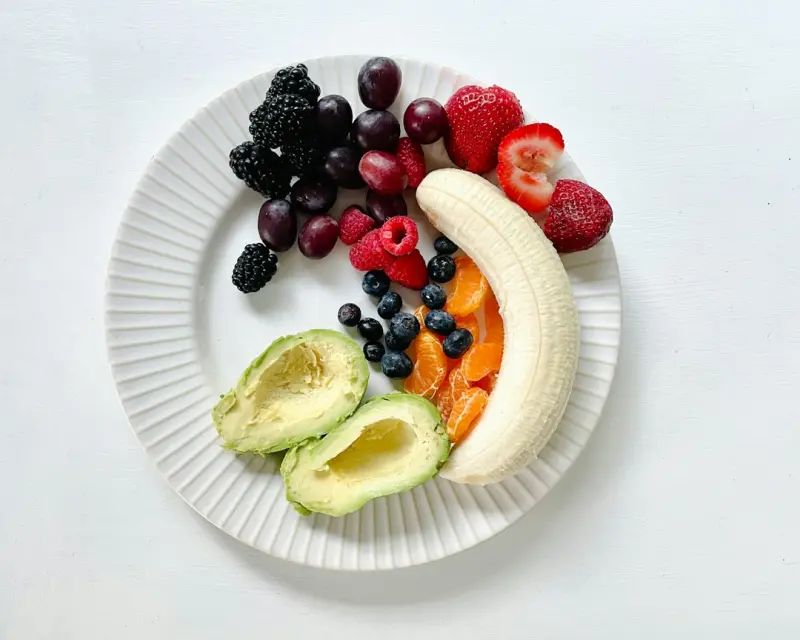
Seasonal Food Synergy: Aligning Your Plate with Nature’s Calendar for Better Health
Eating with the seasons provides a natural boost to immunity, mood, and energy. Learn practical tips... Read More
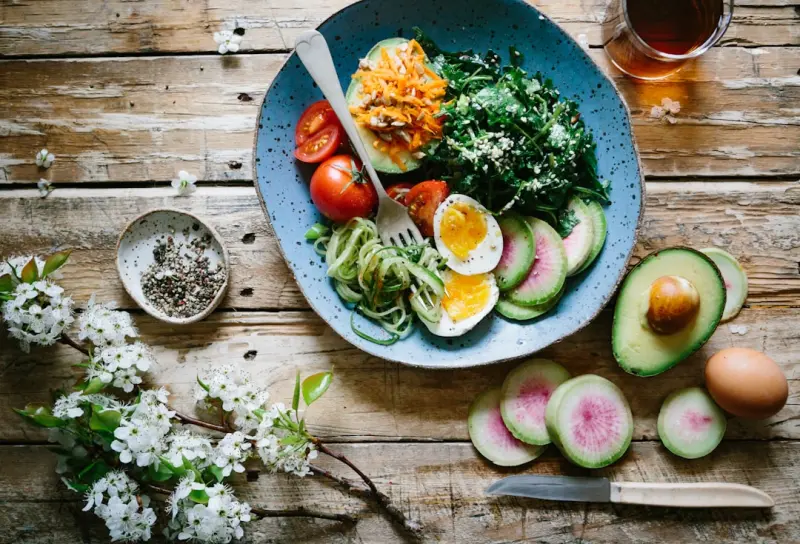
Chrononutrition: Aligning Meals with Your Body’s Natural Rhythm for Peak Performance
Discover the power of chrononutrition—eating in sync with your body’s internal clock—to enhanc... Read More

Ferment Your Way to a Stronger Gut: A Hands‑On Nutrition Playbook
Fermentation turns everyday foods into powerful probiotics that support gut health, metabolism, and ... Read More
Top Posts

Unlocking Systemic Hypertrophy: A Data‑Driven Playbook for Sustainable Muscle Gain
Discover a holistic approach to muscle gain that blends circadian rhythms, biofeedback wearables, neuro‑muscular coordination, and precision nutrition into a ...Read More

The Unexpected Benefits of Babywearing for Infant Health
Babywearing isn’t just a trendy accessory; it’s a science‑backed practice that supports thermoregulation, gut microbiome development, stress reduction, an...Read More
Give Your Liver a Daily Reset Routine for Long‑Lasting Vitality
A practical guide to daily liver‑reset rituals—from purposeful hydration and short walks to strategic fasting and breath work—designed for busy profession...Read More

Dream‑Driven Innovation: Leveraging Narcolepsy for Breakthrough Ideas
A fresh look at how the unique sleep patterns of narcolepsy can be turned into a catalyst for innovative ideas, practical strategies, and a more inclusive workp...Read More
0 Comments
Post Comment
You will need to Login or Register to comment on this post!