
Flavor Engineering: The Hidden Science Behind Vaping’s Addictive Appeal
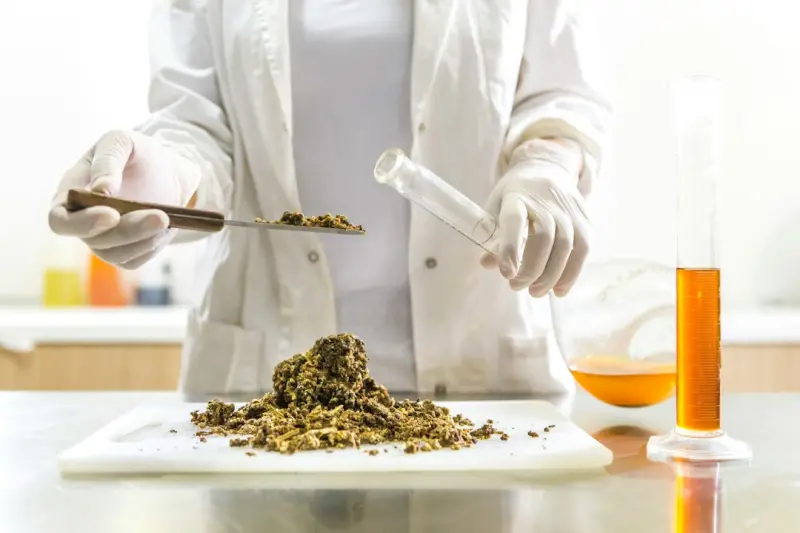
When I first walked into a vape shop two years ago, the air was saturated with a kaleidoscope of aromas—tropical mango, fresh cucumber, even a nostalgic “cinnamon roll” scent. It felt less like a purchase and more like stepping into a boutique perfume counter. That sensory overload is no accident. The vaping industry has quietly recruited neuroscientists, flavor chemists, and marketers to craft an experience that goes far beyond nicotine delivery. In this piece, I’ll peel back the layers of flavor engineering, explore how it hijacks our brain’s reward pathways, and what it means for the future of harm‑reduction strategies.
Why Flavor Matters More Than Nicotine
Most people assume that nicotine is the primary driver of addiction, but research shows that flavor can be an equally potent hook. The human olfactory system is directly linked to the limbic system—the brain region that governs emotions, memory, and reward. When a vape’s vapor carries a flavor that our brains associate with pleasure (think “summer berries” or “caramel latte”), it triggers dopamine release even before nicotine does. This pre‑emptive reward loop can accelerate the habit formation process.
For many new users, especially younger adults, the taste is the gateway. A study published in Nicotine & Tobacco Research found that 68% of adolescent vapers cited flavor as the main reason for initiation, while only 23% mentioned nicotine. The implication is clear: the flavor profile is often the first, and sometimes only, reason someone reaches for the device.
The Chemistry of “Cool” and “Sweet”
Vape liquids are a cocktail of propylene glycol (PG), vegetable glycerin (VG), nicotine (optional), and a complex blend of flavoring agents. What makes a flavor feel “cool” or “sweet” isn’t just the sugar content—vapers don’t actually contain sugar—but the interaction of volatile compounds with temperature and airflow.
- Menthol and its analogs activate the TRPM8 receptors in the mouth and throat, creating a cooling sensation that can mask the harshness of nicotine.
- Ethyl maltol and vanillin amplify sweetness without adding calories, triggering the brain’s reward circuits similar to how sugar does.
- Lactones (like gamma-Nonalactone) give off creamy, buttery notes that are particularly popular in “dessert” vape flavors.
These compounds are often GRAS (Generally Recognized As Safe) for ingestion, but inhalation is a different story. The lungs’ delicate tissue wasn’t designed to process many of these chemicals, and long‑term effects are still being mapped.
Data‑Driven Flavor Development
Modern vape companies employ a data‑centric approach that mirrors the tech industry’s A/B testing methodology. Here’s a typical workflow:
- Consumer Insight Collection – Brands gather feedback from social media, forums, and in‑store surveys to identify trending taste preferences.
- Flavor Library Expansion – Using a proprietary database of thousands of aroma chemicals, flavorists create prototype blends.
- Rapid Prototyping – Small‑batch production allows for quick iteration; each batch is labeled with a code (e.g., “F‑212‑B”) to track performance.
- Quantitative Testing – Devices equipped with electronic noses measure volatile organic compounds (VOCs) emitted during puffing, ensuring consistency across batches.
- Behavioral Analytics – Brands monitor metrics like “puff count,” “session length,” and “repeat purchase rate” to gauge which flavors keep users coming back.
This loop can shrink the development cycle from months to weeks, enabling companies to ride cultural trends—think “pumpkin spice” in autumn or “watermelon mint” in summer—like surfboards on a wave of demand.
Marketing Meets Neuroscience
Flavor is a marketing canvas. Visual branding, naming conventions, and packaging all play a role in shaping perception. A name like “Sunset Bliss” conjures a mental image that primes the brain for a relaxing experience even before the first inhale. Color psychology is also leveraged; pastel blues and pinks are associated with calmness, while bold reds suggest energy.
Beyond aesthetics, many brands use limited‑edition releases to tap into the scarcity principle—our brain’s innate fear of missing out (FOMO). By releasing a “Winter Wonderland” flavor for only two months, they create urgency, driving both sales and social media buzz.
Regulatory Landscape and Its Impact on Flavor
In response to rising concerns, several jurisdictions have implemented flavor bans, targeting anything beyond tobacco and menthol. While the intention is to curb youth uptake, the unintended consequence is a surge in “DIY e‑liquid” culture. Hobbyists mix their own flavors using food‑grade aroma chemicals, often bypassing safety checks designed for commercial products.
These grassroots mixers can access online forums where recipes are shared—some of which involve chemicals that are safe for ingestion but untested for inhalation. The lack of oversight raises questions about long‑term respiratory health, and the data gap makes it difficult for public health officials to assess risk accurately.
Connecting the Dots: Cost, Environment, and Social Dynamics
Flavor engineering doesn’t exist in a vacuum. It intertwines with financial, environmental, and social considerations. For instance, the premium pricing of exotic flavors contributes to the hidden cost of vaping, affecting both individual wallets and the planet through increased plastic waste from disposable pods.
Moreover, the shared experience of trying a new flavor can become a social catalyst in the workplace, similar to the way coffee breaks foster camaraderie. In fact, the phenomenon of “cloud conversations” illustrates how vape flavors can shape office culture, turning a simple puff into a networking moment. You can read more about that dynamic here.
What Does This Mean for Harm Reduction?
From a public‑health perspective, the flavor factor is a double‑edged sword. On one hand, appealing flavors can encourage smokers to switch to vaping, which is generally considered less harmful than combustible cigarettes. On the other hand, flavors can attract non‑smokers—particularly youth—who might never have otherwise engaged with nicotine.
Some harm‑reduction advocates argue for a middle ground: allowing flavors that mimic the taste of tobacco while restricting sweet and candy‑like profiles. Others suggest a “flavor‑licensing” model where companies must demonstrate safety data for each aromatic compound before market entry.
Future Trends: The Rise of Nicotine‑Free and Functional Vapes
We’re already seeing a surge in nicotine‑free vapes that rely solely on flavor to deliver a “sensory hit.” These products appeal to users who enjoy the ritual without the addictive substance, and they open the door for functional additives—think CBD, adaptogens, or even nootropics. While the evidence for these additions remains anecdotal, the market is moving fast, and regulatory bodies are scrambling to keep pace.
Another emerging trend is “personalized flavor algorithms.” Companies are experimenting with AI‑driven platforms that analyze a user’s taste preferences, device usage patterns, and even genetic markers to recommend a custom blend. Imagine a future where your vape pod is tailored to your circadian rhythm, delivering a calming lavender note in the evening and an invigorating citrus burst in the morning.
Practical Takeaways for Vapers and Professionals
- Read the ingredient list. Even if a flavor is labeled “natural,” it may contain synthetic esters that could irritate lung tissue.
- Beware of “designer” blends. DIY e‑liquids can be fun, but ensure you source chemicals from reputable suppliers and understand inhalation safety.
- Consider the cost of habit. Premium flavors often come at a higher price point, and the environmental impact of disposable pods adds hidden financial and ecological costs.
- Stay informed about regulations. Local flavor bans can affect product availability, pushing users toward unregulated markets.
- Leverage flavor responsibly. If you’re using vaping as a cessation tool, choose flavors that mimic tobacco to reduce cravings without encouraging new habits.
Conclusion: Flavor as Both Tool and Trap
Flavor engineering sits at the intersection of science, art, and commerce. It can be a powerful ally in moving smokers away from harmful cigarettes, yet it also carries the risk of enticing a new generation of nicotine‑free addicts. As consumers, clinicians, and policymakers, we must recognize the nuanced role flavor plays in the vaping ecosystem. By demanding transparency, supporting evidence‑based regulations, and staying critical of the sensory allure, we can shape a future where the pleasure of flavor isn’t a trap, but a thoughtful component of a healthier lifestyle.

Related Posts
The Real Cost of Vaping: Budgeting, Taxes, and Long‑Term Savings
Explore the hidden expenses, tax implications, and budgeting strategies of vaping. This guide helps ... Read More

Beyond the Cloud: Redefining Vaping Culture in the Remote Era
Vaping has quietly become the new coffee break for remote workers, weaving itself into digital routi... Read More

The Quiet Revolution: How Mindful Practices Are Shaping Vaping Choices
A deep dive into using mindfulness, data tracking, and intentional community to reframe vaping habit... Read More
Top Posts

The Hidden Levers of Muscle Growth: A Systems Approach
Muscle growth isn’t just about lifting heavier; it’s a complex system of signals, nutrition, sleep, and stress management. This guide reveals how micro‑ad...Read More

Playful Movement: Turning Everyday Activities into Joyful Workouts
Learn to fuse fun, community, and functional moves into daily life, making exercise feel less like a chore and more like a playful adventure....Read More
Temperature Hacks to Keep Your Blood Sugar on Point
Explore how controlling indoor temperature, humidity, and seasonal climate can become powerful tools for stabilizing blood sugar, complemented by nutrition timi...Read More
The Hidden Levers Behind Prediabetes: A Mind‑Body Playbook
Explore the unseen stressors, gut microbiome imbalances, and micro‑movement habits that fuel prediabetes, and follow a practical 30‑day plan to restore meta...Read More
0 Comments
Post Comment
You will need to Login or Register to comment on this post!