

Living with narcolepsy means constantly negotiating the line between wakefulness and sudden, involuntary sleep. While most of the conversation centers on medical management and coping strategies, there’s a surprisingly powerful lever we often overlook: the physical environment. By intentionally shaping our living spaces, we can turn a potential hazard into a sanctuary that supports safety, reduces anxiety, and even enhances day‑to‑day productivity.
Why Environment Matters More Than You Think
When a sleep attack strikes, the brain’s ability to coordinate movement and judgment plummets. In a cluttered kitchen, a dim hallway, or a bedroom with low‑lying furniture, the risk of injury spikes dramatically. Conversely, a thoughtfully arranged home can act as a silent partner, guiding you gently toward safer spots, cueing you to rest, and subtly reinforcing healthy habits.
Think of your home as an extension of your nervous system. Just as a well‑designed user interface reduces cognitive load, a well‑designed living space reduces the physical and mental strain associated with unexpected sleep episodes. The payoff isn’t just fewer bruises—it’s a steadier mood, better sleep quality at night, and a renewed sense of control.
Mapping Your Space: The First Step to Safety
Start by conducting a simple walk‑through audit. Grab a notepad and ask yourself these questions in each room:
- Where are the high‑traffic pathways, and how might a sudden collapse affect them?
- Which surfaces are hard and unforgiving (e.g., glass coffee tables, stainless steel appliances)?
- Where do you naturally gravitate when you feel drowsy—sofa, recliner, bed?
- Are there any tripping hazards: loose rugs, cords, uneven flooring?
Mark the “danger zones” in red and the “comfort zones” in green. This visual map will become the blueprint for your redesign.
Creating Sleep‑Safe Zones
Designate a few key areas where you can safely transition from wakefulness to a quick nap. Ideal characteristics include:
- Soft flooring: Cork, low‑pile carpet, or padded mats absorb impact. If you have hardwood, consider modular foam tiles that can be placed temporarily during a nap.
- Stable support: A recliner with a sturdy frame and a low center of gravity is preferable to a bean‑bag or an over‑soft couch that can tip.
- Clear surroundings: Keep the immediate vicinity free of sharp edges, low‑lying furniture, and loose objects.
Position these zones near the rooms you spend the most time in—perhaps a recliner next to your home office desk or a plush floor cushion beside your favorite reading chair. The goal is to make the “right” spot obvious and inviting before fatigue sets in.
Lighting, Color, and Mood Regulation
Light is a double‑edged sword for narcolepsy. Bright, cool light in the morning helps suppress daytime sleepiness, while dim, warm light in the evening encourages a smoother transition to night‑time rest. Use layered lighting:
- Task lighting: Adjustable LED desk lamps with a 5000K temperature for focused work.
- Ambient lighting: Dimmable ceiling fixtures or smart bulbs that shift from cool to warm on a schedule.
- Night lights: Low‑intensity, amber‑hued plugs in hallways to guide you safely during a sudden nap.
Color psychology also plays a role. Soft blues and muted greens promote calmness without triggering drowsiness, while bright reds can be overstimulating. Paint your “wake zones” in energizing hues and your “rest zones” in soothing tones to create subconscious cues.
Furniture Choices That Keep You Grounded
When selecting furniture, prioritize stability and ergonomics:
- Low‑profile sofas: Avoid deep, lounge‑style sofas that encourage slouching and make it harder to rise quickly. A low‑back, firm couch offers comfort while keeping your center of gravity low.
- Rounded edges: Opt for tables and countertops with rounded corners. If you love a sleek glass table, add a silicone edge protector.
- Multipurpose pieces: A storage ottoman that doubles as a nap platform can be tucked away when not needed, reducing clutter.
Don’t forget the bedroom. A platform bed with a sturdy frame eliminates the risk of a mattress sliding off. Add a low nightstand within arm’s reach—no need to stand on tiptoe to grab a glass of water during a sudden drowsy spell.
Technology Helpers: Wearables, Smart Home, and Alerts
Modern tech can serve as an invisible safety net. Consider integrating these tools:
- Wearable sleep trackers: Devices that detect rapid eye movement (REM) onset can vibrate gently, alerting you before a full‑blown episode.
- Smart plugs: Program them to cut power to high‑risk appliances (e.g., hot plates, electric kettles) when you’re in a designated nap window.
- Voice‑activated assistants: Set up routines like “Hey, Alexa, dim the lights and play white noise” that trigger automatically when you say a pre‑programmed phrase.
- Floor sensors: Motion‑activated mats can send a notification to your phone if you lie down unexpectedly on a hard surface, prompting you to move to a safer zone.
These devices aren’t a cure, but they add layers of redundancy—multiple chances to catch a slip before it becomes a stumble.
Personalizing for Lifestyle: Travel, Work‑From‑Home, and Hobbies
If you’re a digital nomad or frequently host guests, your design must be adaptable. Portable sleep pods, fold‑out foam pads, and compact safety kits (including a mini first‑aid kit, non‑slip socks, and a lightweight blanket) travel as easily as a laptop bag.
For hobbyists, consider how your passion intersects with safety. A home‑based chef can install a low‑profile, heat‑resistant cutting board that slides onto a sturdy base, reducing the chance of a knife slip during a drowsy moment. A musician can secure instrument stands with Velcro straps to prevent them from toppling over.
Putting It All Together: A Day‑to‑Day Walkthrough
Morning: Wake up to a sunrise simulation lamp that gradually brightens, cueing your circadian rhythm. Your coffee station is organized on a low, sturdy cart with non‑slip silicone pads, minimizing the risk of spills.
Mid‑day: Your home office features a height‑adjustable desk and an ergonomic chair. A wearable monitors your alertness; when it detects a dip, it sends a gentle haptic cue. You have a designated recliner nearby with a soft foam pad—your go‑to nap spot.
Afternoon: You move to the kitchen for lunch. The countertops are clear, and the stove’s smart plug disables heating when you’re not actively cooking. A small, low‑profile table by the window offers a safe place to rest if you feel a sudden wave of drowsiness.
Evening: The living area transitions to warm lighting. Your favorite reading nook is a cozy armchair with a built‑in side table for a glass of water, all within arm’s reach. As you wind down, the smart home system gradually dims the lights and cues a soft ambient playlist.
This choreography isn’t about rigidity—it’s about creating predictable pathways that protect you while preserving the flow of daily life.
Beyond the Home: Community and Advocacy
Designing a safe space is only half the battle. Share your setup with family, roommates, and coworkers. A quick tour can turn strangers into allies, ensuring they know where the safe zones are and how to respond if you suddenly doze off.
Advocate for broader awareness. Many public spaces lack the accommodations that private homes can easily implement. By documenting your home modifications and the positive impact they have, you can inspire designers, architects, and policy makers to consider narcolepsy in universal design guidelines.
Conclusion: Your Space, Your Safety Net
When you treat your living environment as an active participant in your health journey, you reclaim agency over a condition that often feels unpredictable. The choices you make—from a low‑profile sofa to a smart‑enabled kettle—are small but cumulative. Over time, they build a resilient ecosystem that cushions the abruptness of sleep attacks, reduces the fear of injury, and subtly reinforces healthier habits.
Start small. Pick one room, implement a few changes, and observe how it feels. The next room will follow naturally, and before long, your entire home will have become a smart, compassionate ally. In the dance between wakefulness and sleep, the right setting can turn a stumble into a graceful step forward.
For a deeper dive into how narcolepsy reshapes other parts of life, you might explore Narcolepsy and Workplace Innovation. And if you’re curious about the social dimensions of living with this condition, check out Living Wide Awake: How I Redefined My Social World with Narcolepsy.

Brody Lambert is an emerging freelance writer whose fresh voice and thoughtful approach are quickly making their mark. As a fairly new entrant in the world of freelance writing, Brody brings a blend of curiosity and dedication that fuels every project, crafting stories and content that resonate with authenticity and clarity.
Related Posts

Rethinking Narcolepsy: Turning Unpredictable Sleep Into Workplace Innovation
A fresh look at narcolepsy reveals hidden strengths—micro‑synchronization, creative bursts, and ... Read More

Turning Narcolepsy Into a Workplace Asset: Strategies for Inclusive Innovation
A fresh look at narcolepsy in the workplace reveals hidden strengths like rapid creativity and patte... Read More

Living with Narcolepsy: A Holistic Journey Toward Everyday Vitality
A candid, holistic guide from personal experience on navigating narcolepsy’s challenges, with acti... Read More
Top Posts

Gut Microbiome Mastery: A Seasonal Blueprint for Creative Professionals
Sarah Gray reveals a fresh, seasonal strategy to nurture your gut microbiome, turning it into a creative engine that supports focus, resilience, and high‑perf...Read More

Beyond the Mirror: A Holistic View of Eating Disorders
A personal, holistic guide to overcoming eating disorders, focusing on mind‑body connections, community, and integrative health strategies for sustainable hea...Read More
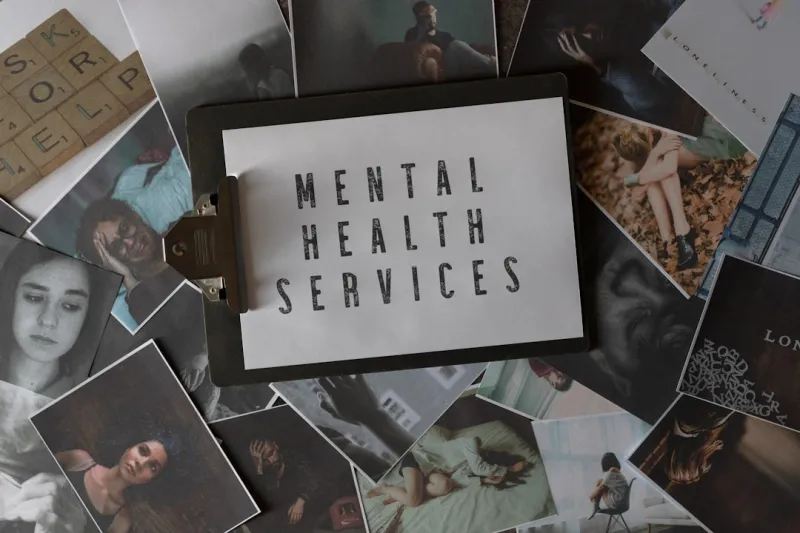
The Unseen Battle: How Mental Health Affects Cancer Patients
A cancer diagnosis can take a devastating toll on mental health. Learn how to prioritize mental health support and provide comprehensive care for patients....Read More

How Color, Clock, and Culture Can Transform Your Nutrition
Learn the art of eating with color, timing, and mindful choices to supercharge your body, sharpen your mind, and support lasting wellness....Read More
0 Comments
Post Comment
You will need to Login or Register to comment on this post!