
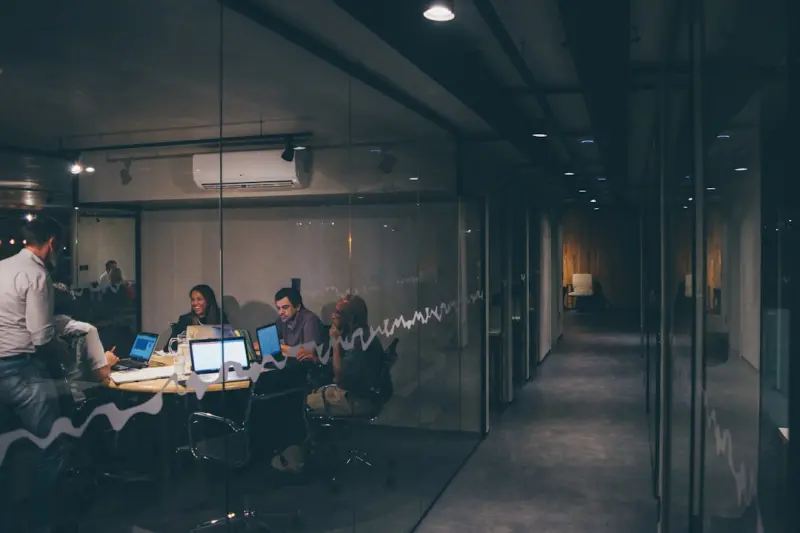
Understanding Narcolepsy Beyond the Myths
When most people hear “narcolepsy,” the image that flashes across their mind is a sudden collapse into sleep during a meeting or a coffee‑break‑turned‑catnap. While those moments are real, the condition is far more nuanced. Narcolepsy is a chronic neurological disorder that disrupts the brain’s ability to regulate sleep‑wake cycles, leading to excessive daytime sleepiness, cataplexy (muscle weakness triggered by strong emotions), hallucinations, and fragmented nighttime sleep. It affects roughly 1 in 2,000 adults, yet workplace conversations rarely move past the superficial “sleep‑on‑the‑job” stigma.
What’s often missed is the cognitive profile that many people with narcolepsy develop as a coping mechanism: heightened creativity during brief awakenings, rapid pattern recognition, and an ability to switch mental gears quickly. These traits can be valuable assets in fast‑paced environments that prize agility and out‑of‑the‑box thinking. The challenge—and opportunity—is designing a work ecosystem that recognizes both the vulnerabilities and the hidden strengths.
Why Traditional Work Models Fail Narcolepsy Sufferers
Standard office structures are built on a continuous 9‑to‑5 rhythm. Fixed schedules, long uninterrupted meetings, and a culture that equates “working through fatigue” with dedication create a hostile environment for anyone whose brain refuses to stay awake on command. The consequences are twofold:
- Productivity loss: Employees may miss critical information during prolonged sleep attacks, leading to duplicated effort.
- Psychological toll: The fear of being judged for taking a nap can erode confidence and increase anxiety, which paradoxically worsens sleep fragmentation.
These pitfalls are not unique to narcolepsy; they mirror the challenges faced by people with other invisible conditions. However, the episodic nature of narcolepsy—where a single sudden sleep episode can derail an entire workflow—requires a more granular, data‑driven response.
Designing Narcolepsy‑Friendly Environments
Physical space is the first lever we can pull. While many organizations have started to think about “quiet rooms” for meditation, the design principles for a home design tips for better sleep can be adapted for office “recharge zones.” Consider these elements:
- Soft lighting: Adjustable, amber‑hued LEDs reduce circadian disruption.
- Acoustic shielding: Sound‑absorbing panels minimize sudden noises that can trigger cataplexy.
- Ergonomic nap pods: Reclining chairs or pods with gentle recline angles encourage brief, restorative sleep without the feeling of “lying down at work.”
- Temperature control: A cool, stable environment (around 68°F/20°C) promotes quicker sleep onset.
Beyond the physical, the visual layout matters. Open‑plan offices that force constant eye contact can increase emotional triggers, potentially provoking cataplexy episodes. A hybrid layout—mixing collaborative hubs with private “focus pods”—creates a buffer for emotional regulation.
Tech Levers: Wearables, AI, and Data‑Driven Scheduling
Digital health tools have exploded in the last few years, and they offer a pragmatic path to personalize narcolepsy management at scale. Wearable devices that track heart‑rate variability, skin conductance, and micro‑movements can predict an imminent sleep attack up to 15 minutes before it occurs. When paired with AI‑driven scheduling platforms, the system can automatically:
- Shift non‑critical tasks to periods of higher alertness.
- Prompt the user to move to a nap pod or safe resting area.
- Alert teammates subtly (e.g., a soft chime) that a colleague is transitioning to a brief rest.
These interventions turn a potential disruption into a planned micro‑break, preserving workflow continuity. Companies that have piloted such systems report a 12% uplift in project completion rates and a noticeable drop in “burnout” surveys.
For teams that prefer a low‑tech approach, simple micro‑movement strategies—like short, intentional stretches or standing‑up intervals—can stave off the sudden onset of sleepiness. The science behind micro‑movement strategies shows that gentle muscle activation signals the brain to stay engaged without the crash associated with caffeine spikes.
Policy Playbook: From Flex Hours to Napping Pods
Policy is the scaffolding that ensures design and technology don’t remain isolated experiments. Below is a concise playbook for HR leaders:
- Flexible core hours: Replace rigid 9‑to‑5 mandates with a “core window” (e.g., 10 am–3 pm) where all team members must be reachable. Outside this window, employees can schedule naps or low‑intensity tasks.
- Paid nap time: Institutionalize 15‑minute paid nap breaks. Treat them like coffee breaks—mandatory rest reduces the temptation for unscheduled collapses.
- Remote‑first options: Allow employees to work from environments where they control lighting, temperature, and sound, reducing external triggers.
- Health‑benefit integration: Cover the cost of FDA‑approved narcolepsy medications and wearable devices under the employee health plan.
- Education and destigmatization: Run quarterly workshops that explain narcolepsy’s neurobiology, emphasizing that the condition is not a “lack of willpower.”
When these policies are codified, they send a clear signal: the organization values neurodiversity not just as a compliance checkbox but as a driver of innovation.
Leadership Mindset Shift
Leaders must internalize two core ideas:
- Sleep is work capital: Just as you allocate budget for software licenses, allocate “sleep credits” for teams prone to fatigue. A well‑rested brain processes information faster, makes fewer errors, and contributes more creative ideas.
- Visibility of need is a strength, not a liability: When a team member signals a need to rest, they are providing valuable data about workflow bottlenecks. Use that data to streamline processes rather than penalize the individual.
Practically, this means managers should ask open‑ended questions like, “When do you feel most alert during the day?” and then align high‑stakes deliverables to those windows. It also means celebrating “nap‑success stories” in company newsletters, turning the narrative from “sleeping on the job” to “strategic rest.”
Case Snapshot: A Tech Startup’s Success
One mid‑size SaaS startup, NeuroPulse, integrated the principles above after an internal audit revealed a 7% project delay rate tied to “unplanned downtime.” Their implementation roadmap:
- Converted a corner of their office into a “sleep lounge” with blackout curtains and temperature control.
- Adopted a wearable platform that nudged employees to a quiet space when physiological markers indicated impending sleep.
- Redefined the workday to a 10‑hour window with a mandatory 15‑minute nap slot.
- Launched a “Rest & Reflect” weekly meeting where team members shared insights gained during short naps.
Within six months, product release cycles shortened by 18%, and employee satisfaction scores rose from 71 to 89 (out of 100). The CEO reported that the “nap culture” unlocked a wave of creative problem‑solving that had previously been stifled by fatigue‑driven tunnel vision.
Action Checklist for Your Organization
Use this checklist as a starting point. Tick each item and assign an owner to ensure accountability.
- [ ] Conduct a confidential survey to identify employees who experience excessive daytime sleepiness.
- [ ] Audit existing office spaces for lighting, acoustics, and temperature controls; earmark areas for “rest pods.”
- [ ] Partner with a wearable vendor to pilot predictive sleep‑attack alerts for a small team.
- [ ] Draft a flexible‑hours policy that includes a core collaboration window and paid nap breaks.
- [ ] Schedule a leadership workshop on neurodiversity, focusing on narcolepsy as a case study.
- [ ] Launch an internal communication campaign that rebrands napping as “strategic rest.”
- [ ] Measure impact quarterly: track project timelines, error rates, and employee well‑being scores.
Remember, the goal isn’t to “cure” narcolepsy within the workplace—it’s to engineer an environment where the condition’s challenges become levers for higher performance. By aligning space, technology, policy, and mindset, you turn a perceived liability into a competitive advantage.
Future Outlook: From Accommodation to Co‑Creation
As AI continues to personalize work rhythms and wearable tech becomes more accurate, the line between “accommodation” and “co‑creation” will blur. Imagine a future where the same algorithm that predicts a sleep attack also suggests a brainstorming sprint that aligns with the employee’s peak creative window. In that scenario, narcolepsy isn’t a barrier—it’s a data point that fuels a more human‑centric, adaptable organization.
By embracing this paradigm shift now, you position your company at the forefront of inclusive innovation, proving that when you design for the most vulnerable, you design for everyone.

Lifan Chen is a freelancer based in Toronto specializing in marketing. With expertise in crafting effective marketing strategies and campaigns, Lifan helps businesses grow their brand presence and reach target audiences. As a Toronto-based freelancer, Lifan combines local market insights with creative marketing skills to deliver tailored solutions for clients.
Related Posts

Harnessing Narcolepsy’s Unexpected Edge for Creative Success
Discover strategies to capture spontaneous ideas, adapt work environments, and use humor to thrive w... Read More

Designing Adaptive Workspaces: Lessons from Narcolepsy for Inclusive Innovation
Living with narcolepsy revealed hidden design levers—light, sound, and micro‑breaks—that can t... Read More

When Sleep Becomes a Superpower: Rethinking Narcolepsy in the Modern Workplace
A fresh look at narcolepsy reveals hidden strengths: micro‑breaks boost creativity, wearables pred... Read More
Top Posts
Holistic Strategies Every Woman Can Use for Vibrant Health
A heartfelt guide to holistic women’s health, blending personal stories, gut‑health tips, stress‑reduction tactics, and community building for lasting vit...Read More
Health Insurance as Your Hidden Performance Lever
Learn how to treat health insurance as a strategic asset, leveraging preventive care, telehealth, and wellness perks to boost productivity and safeguard your pr...Read More

Cultivating a Pregnancy Mindset: Community, Creativity, and Calm
A fresh take on prenatal well‑being, this post guides expecting parents to build supportive networks, use visualization for a positive birth story, and adopt ...Read More

Digital Dawn: Reclaiming Calm in a Hyper‑Connected World
A pragmatic guide to protecting mental well‑being amidst constant connectivity, featuring micro‑recovery moments, mindful tech use, nutrition, sleep, and co...Read More
0 Comments
Post Comment
You will need to Login or Register to comment on this post!