
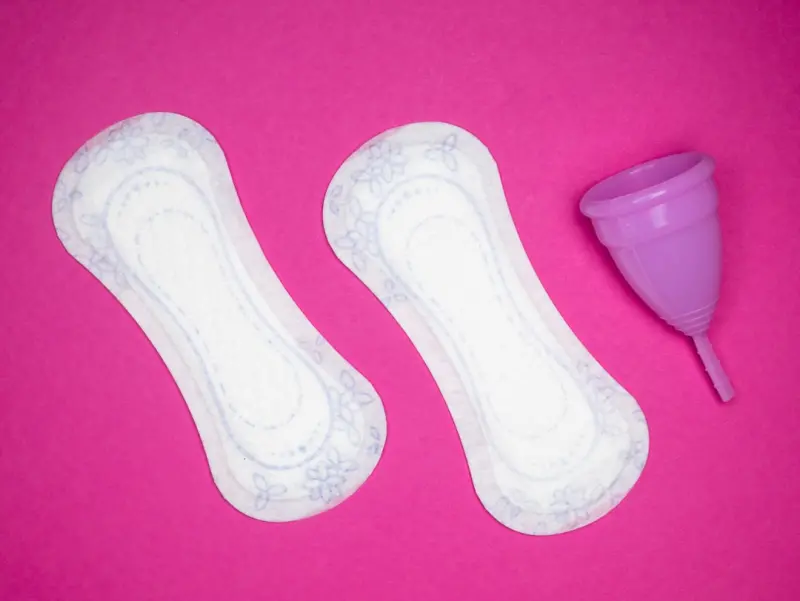
Why Menstrual Health Deserves a Whole‑Person Upgrade
When I first stepped into the world of wellness writing, my notebook was filled with bullet points about “tracking” and “optimization.” Over the years, I’ve watched the conversation around women’s health shift from a narrow focus on fertility to a broader, more nuanced dialogue about hormonal harmony, emotional resilience, and cultural context. Yet, the menstrual cycle—our most visible physiological rhythm—often remains boxed into a medical checklist rather than celebrated as a dynamic system that can be tuned, supported, and even enjoyed.
In this post, I’m inviting you to rethink the period not as a problem to be managed, but as a signal‑rich experience that can inform everything from sleep patterns to nutritional strategies. By weaving together the latest research, practical self‑care rituals, and a few personal anecdotes, I hope to empower you to navigate your cycle with curiosity and confidence.
The Hidden Architecture of the Cycle
The menstrual cycle is more than just bleeding; it is a sophisticated orchestra of hormones—estrogen, progesterone, luteinizing hormone (LH), and follicle‑stimulating hormone (FSH). Each phase—menstrual, follicular, ovulatory, luteal—carries distinct physiological signatures that affect energy, mood, cognition, and even pain perception. Recognizing these patterns can transform how you schedule workouts, plan important meetings, or even choose your wardrobe.
For example, the follicular phase (roughly days 1‑14) is characterized by rising estrogen levels, which are known to boost dopamine pathways. This often translates to heightened motivation, creativity, and an appetite for new challenges. Conversely, the luteal phase (days 15‑28) sees progesterone surge, preparing the body for potential pregnancy while also promoting a more calming, introspective state. Understanding where you are in this hormonal ebb and flow allows you to align your external demands with your internal capacity.
Syncing Sleep With Your Cycle
One area where many women notice a dramatic shift is sleep quality. During the luteal phase, the rise in progesterone can increase body temperature and alter respiratory patterns, leading to more restless nights. On the other hand, the estrogen‑rich follicular phase often coincides with deeper, more restorative sleep.
To navigate these fluctuations, consider a two‑pronged approach: first, track your sleep trends alongside your cycle; second, experiment with subtle adjustments in bedtime routines. A cool, dark bedroom and a short meditation session can mitigate the thermogenic effect of progesterone. If you’re interested in how broader temporal patterns affect your body, you might explore circadian rhythm strategies that tailor light exposure and meal timing to each hormonal stage.
Nutrient Timing for Hormonal Balance
Food is a powerful lever for hormonal modulation. Research shows that certain macro‑ and micronutrients can either amplify or dampen estrogen and progesterone activity. For instance, magnesium-rich foods—leafy greens, nuts, seeds—support progesterone synthesis and can alleviate premenstrual cramps. Meanwhile, phytoestrogens found in soy, flaxseed, and legumes gently bind to estrogen receptors, offering a stabilizing effect during the estrogen‑dominant follicular window.
Beyond what you eat, nutrient timing can be a game‑changer. Consuming complex carbohydrates and protein within two hours after exercise during the follicular phase helps replenish glycogen stores and supports muscle recovery when estrogen is primed for tissue building. In the luteal phase, shifting toward healthy fats and anti‑inflammatory foods—think omega‑3 rich fish, avocado, and turmeric—can counteract the slight increase in inflammatory markers that many women experience.
Movement Modalities Aligned With Hormones
Exercise is often prescribed as a one‑size‑fits‑all solution, but the hormonal milieu suggests otherwise. During the follicular phase, you may find high‑intensity interval training (HIIT) or strength sessions feel more natural, as estrogen enhances mitochondrial efficiency and muscle protein synthesis. As you transition into the luteal phase, you might gravitate toward lower‑impact activities such as yoga, Pilates, or brisk walking, which honor the body’s natural shift toward recovery and introspection.
Listening to these cues reduces the risk of overtraining, which can exacerbate menstrual irregularities, and fosters a more sustainable relationship with movement. In my own experience, swapping a heavy leg day for a restorative flow during week three of my cycle resulted in noticeably less soreness and a clearer mind for the weeks ahead.
The Emotional Landscape: Hormones & Mood
It’s no secret that hormones influence mood, but the conversation often stops at “PMS is a thing.” The reality is richer: estrogen interacts with serotonin pathways, while progesterone modulates GABA, the brain’s primary inhibitory neurotransmitter. This neurochemical dance can explain why some women feel euphoric and socially energized during the follicular phase, yet more reflective or even anxious in the luteal phase.
Mind‑body practices that nurture the nervous system—such as breathwork, journaling, or gentle stretching—can smooth these transitions. Moreover, building a supportive community that validates the cyclical nature of emotions can reduce the internal stigma many women feel. When you frame mood fluctuations as a predictable, hormone‑driven rhythm rather than an inexplicable “mood swing,” you gain agency over your emotional wellbeing.
Reframing Pain: From “Irritable” to Insightful
Many women experience dysmenorrhea (painful periods) or dyschezia (bowel discomfort) linked to prostaglandin spikes. Rather than merely masking pain with NSAIDs, consider integrating anti‑inflammatory herbs (e.g., ginger, cinnamon), magnesium supplementation, and targeted mobility work for the lower back and hips. These approaches address both the biochemical and mechanical contributors to discomfort.
Additionally, the concept of “pain literacy” is emerging: educating yourself on how hormonal fluctuations affect pain perception can empower you to advocate for personalized treatment plans with healthcare providers.
Technology as a Companion, Not a Substitute
Wearable devices and cycle‑tracking apps have exploded in popularity, offering data on basal body temperature, heart rate variability, and even skin conductance. While these tools can illuminate patterns, they should supplement—not replace—intuition and embodied awareness. The best outcomes arise when you blend quantitative insights with qualitative self‑observation.
For instance, using a fertility tracker to log basal temperature can highlight subtle shifts in progesterone during the luteal phase, prompting you to adjust sleep or nutrition strategies accordingly. However, remember that algorithms are built on population averages; your personal baseline may differ.
The Role of Social and Cultural Narratives
Our relationship with menstruation is deeply intertwined with cultural narratives. In some societies, periods are celebrated; in others, they’re shrouded in shame. These narratives shape how women feel about their bodies and influence health‑seeking behaviors. By reclaiming the story of the cycle as a source of strength, we can collectively shift the cultural script.
One practical step is to engage in open conversations—whether with friends, partners, or colleagues—about menstrual experiences. Normalizing the dialogue reduces stigma and creates a supportive environment where women feel comfortable accessing resources and seeking professional care when needed.
Integrating Gentle Connection Into Cycle Care
While the term “gentle connection” is often associated with infant bonding, the principle applies to self‑care as well. Approaching your body with curiosity and kindness during each phase fosters a compassionate relationship that can mitigate stress‑induced hormonal imbalances. Simple practices like placing a warm compress on the lower abdomen, indulging in a favorite scent, or spending a few minutes in nature can signal to your nervous system that you’re safe and supported.
If you’re looking for a model of nurturing connection, consider the insights from gentle connection research, which underscores how consistent, attuned interaction can regulate stress hormones. Translating that to self‑care means creating rituals that honor each phase’s needs without judgment.
Putting It All Together: A Sample Cycle‑Centric Wellness Blueprint
Below is a flexible, week‑by‑week template that integrates sleep, nutrition, movement, and emotional practices. Adjust the specifics to match your own cycle length and personal preferences.
- Days 1‑5 (Menstrual Phase)
- Sleep: Prioritize 8‑9 hours, using a cool room and lavender aromatherapy.
- Nutrition: Emphasize iron‑rich foods (spinach, lentils) and hydration.
- Movement: Gentle yoga, restorative stretching, and short walks.
- Emotional Care: Journaling about any sensations or emotions that arise.
- Days 6‑14 (Follicular Phase)
- Sleep: Maintain consistent bedtime; incorporate morning sunlight exposure.
- Nutrition: Add complex carbs and lean protein; introduce phytoestrogens.
- Movement: HIIT, strength training, or dance classes—leverage high energy.
- Emotional Care: Set creative goals; engage in collaborative projects.
- Days 15‑21 (Ovulatory Phase)
- Sleep: Keep routine; consider a short power nap if energy dips.
- Nutrition: Focus on zinc‑rich foods (pumpkin seeds, oysters) to support ovulation.
- Movement: Moderate cardio and skill‑based sports; enjoy the confidence surge.
- Emotional Care: Social networking, networking events, or public speaking.
- Days 22‑28 (Luteal Phase)
- Sleep: Introduce a wind‑down ritual with a warm bath or reading.
- Nutrition: Increase omega‑3s, magnesium, and anti‑inflammatory spices.
- Movement: Low‑impact activities like Pilates, swimming, or tai chi.
- Emotional Care: Reflective journaling, gratitude practice, and gentle self‑talk.
This framework is not a rigid prescription; it’s a scaffold you can customize as you learn more about your body’s rhythms. Over time, you’ll notice subtle patterns—perhaps a craving for sweet foods before ovulation or a need for extra cushioning on the floor during luteal yoga—and can fine‑tune the plan accordingly.
When to Seek Professional Guidance
If you experience persistent heavy bleeding, severe pain, or mood disturbances that interfere with daily life, it’s essential to consult a healthcare professional. Conditions such as polycystic ovary syndrome (PCOS), endometriosis, or thyroid imbalances can manifest through menstrual irregularities and require targeted treatment.
Partnering with a provider who embraces a holistic perspective—integrating endocrinology, nutrition, and mental health—ensures that you receive comprehensive care that aligns with the whole‑person approach championed throughout this article.
Conclusion: Embrace the Cycle as a Compass
Our bodies are constantly communicating; the menstrual cycle is one of the most accessible, rhythmic messages we receive. By honoring its phases, we can cultivate a lifestyle that feels less like a series of compromises and more like a harmonious dance. Whether you’re an athlete, a creative professional, or a busy parent, aligning sleep, nutrition, movement, and emotional practices with your hormonal tides can unlock a level of vitality that feels both natural and empowering.
So the next time you see a calendar reminder of your period, pause and consider: what is this cycle inviting you to explore—more rest, creative spark, or gentle reflection? By listening, you transform a monthly event into a lifelong ally.

Lifan Chen is a freelancer based in Toronto specializing in marketing. With expertise in crafting effective marketing strategies and campaigns, Lifan helps businesses grow their brand presence and reach target audiences. As a Toronto-based freelancer, Lifan combines local market insights with creative marketing skills to deliver tailored solutions for clients.
Related Posts
Redefining the Menstrual Blueprint: A Data‑Driven, Holistic Playbook for Modern Women
A fresh, holistic playbook shows women how to use wearables, micro‑habits, and creative expression... Read More
Heartbeats & Hormones: Uncovering Women’s Cardiac Health in the Modern Age
Women face unique heart health challenges often overlooked by traditional medical guidelines. This a... Read More
Holistic Strategies Every Woman Can Use for Vibrant Health
A heartfelt guide to holistic women’s health, blending personal stories, gut‑health tips, stress... Read More
Top Posts
Screen Sabbatical: How Unplugging Powers Your Health
A deep dive into the health benefits of stepping away from screens, with actionable steps to create sustainable screen‑free rituals and improve overall vitali...Read More
Nature Immersion: A Fresh Path to Boost Brain Power
Learn practical, science‑backed ways to weave nature into your daily routine, enhancing cognition, mood, and resilience—all in just minutes a day....Read More

Reclaiming Masculine Vitality: A Blueprint for Sustainable Energy
A practical guide outlines hormonal balance, nutrient density, and lifestyle architecture to help men restore lasting vigor and sustainable energy....Read More

The Mental Health Journey During Pregnancy: A Holistic Approach
Mental health during pregnancy is a critical aspect of overall wellbeing. Learn how to prioritize self-care, manage stress and anxiety, and adopt a holistic app...Read More
0 Comments
Post Comment
You will need to Login or Register to comment on this post!