
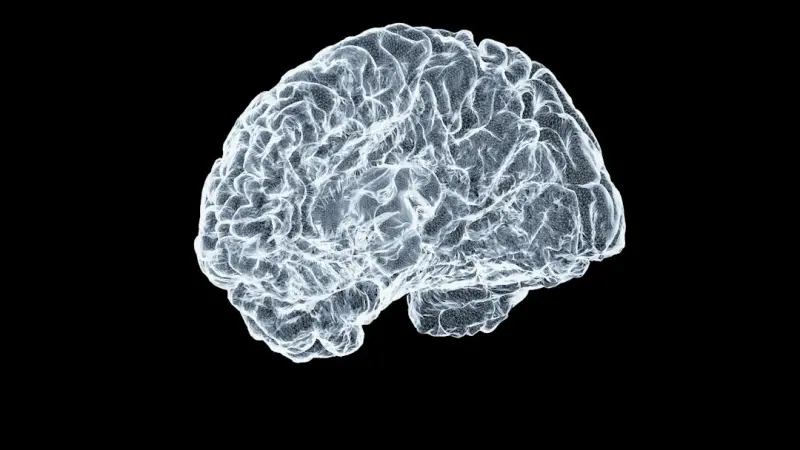
The Brain‑Boost Blueprint: How Neuroplasticity Fuels Longevity
When most people talk about living longer, the conversation quickly drifts to what we eat, how much we move, or the latest supplement on the market. While those factors are undeniably important, there’s a quieter, far‑more powerful engine under the hood of a long, vibrant life: the brain’s capacity to rewire itself. This ability, known as neuroplasticity, is the foundation of everything from memory to emotional balance, and emerging research shows it’s also a decisive player in how long—and how well—we live.
Think of neuroplasticity as the brain’s personal trainer. Just as muscles grow stronger when you challenge them, neural pathways become more resilient, efficient, and adaptable when you feed them novel experiences. The result? A brain that can better regulate stress, maintain cognitive function, and even influence metabolic processes that dictate cellular aging.
Why Neuroplasticity Matters for Longevity
At first glance, the link between learning a new language and extending your lifespan might seem tenuous. However, studies in both animal models and human populations reveal a consistent pattern: individuals who engage in regular, mentally demanding activities exhibit slower cognitive decline, lower incidence of age‑related diseases, and even reduced mortality risk.
- Stress Resilience: A flexible brain can reframe stressors, mitigating the chronic cortisol spikes that accelerate telomere shortening.
- Metabolic Regulation: Brain regions that manage appetite and glucose metabolism respond positively to enriched environments, supporting better blood‑sugar control.
- Inflammation Control: Neuroplasticity promotes anti‑inflammatory pathways via the vagus nerve, dampening systemic inflammation—a key driver of aging.
- Physical Coordination: Improved motor learning reduces fall risk, a major cause of morbidity in older adults.
In short, a brain that stays curious stays healthy, and a healthy brain is a cornerstone of a long life.
Science Spotlight: The Cellular Mechanics
On a cellular level, neuroplasticity hinges on two core processes: synaptogenesis (the formation of new synapses) and synaptic pruning (the removal of unused connections). Both are driven by neurotrophic factors—proteins like BDNF (brain‑derived neurotrophic factor) that support neuron survival and growth.
What triggers BDNF production? A handful of lifestyle choices:
- Intense, varied aerobic exercise (think interval training, not just a daily stroll).
- Learning new, skill‑intensive activities—playing an instrument, coding, or mastering a martial art.
- Dietary patterns rich in flavonoids, omega‑3s, and antioxidants, which directly influence BDNF expression.
For those craving a deeper dive into nutrition’s role, check out the insights on Nutrient Synergy, which explains how strategic food pairings can supercharge brain‑fueling nutrients.
Practical Neuroplasticity Hacks for Everyday Longevity
Below is a “toolkit” of evidence‑backed habits you can weave into daily life. Each one targets neuroplastic pathways, giving you a measurable edge against age‑related decline.
1. Skill‑Swap Sessions
Pair up with a friend or colleague and exchange skills every month—one month you teach basic photography, the next you learn a simple coding language. The novelty challenges your brain to form fresh connections while also strengthening social bonds, a double‑dose of longevity‑boosting factors.
2. Multimodal Learning
When tackling a new subject, engage multiple senses: read a chapter, watch a related video, then discuss it aloud or write a quick summary. This multimodal approach deepens encoding, leading to more robust synaptic networks.
3. Musical Interludes
Learning an instrument—even a simple ukulele—activates auditory, motor, and emotional circuits simultaneously. A study published in Frontiers in Aging Neuroscience found that seniors who practiced music for 30 minutes three times a week showed a 15% improvement in executive function over six months.
4. Bilingual Brain Boost
Language learning is a classic neuroplasticity powerhouse. If you’re not ready for full fluency, start with “language micro‑doses”: a daily 10‑minute app session or labeling objects around the house in a second language. The constant mental switch improves attentional control and delays age‑related cognitive slowdown.
5. Physical Challenges that Require Coordination
Activities like dance, yoga flow sequences, or obstacle‑course style workouts compel the brain to coordinate balance, timing, and spatial awareness. This kind of “cognitive‑motor” training is superior to isolated cardio for promoting brain health.
6. Periodic “Detox” for the Brain
Just as the body benefits from external cleansing, the brain thrives on periods of reduced digital overload. Designate a weekly “screen‑free hour” to engage in tactile hobbies—knitting, pottery, or gardening. While this may sound reminiscent of the external detox approach, the focus here is on sensory immersion that sparks novel neural firing patterns.
7. Mindful Reflection and Journaling
Writing about your experiences, especially challenges you’ve overcome, consolidates memory and reinforces a growth mindset. This practice not only improves emotional regulation but also builds a narrative framework that your brain can draw on when faced with future stressors.
8. Curated “Brain‑Friendly” Nutrition
Beyond calories, aim for foods that specifically support neuroplasticity:
- Blueberries & Dark Berries: Packed with anthocyanins that cross the blood‑brain barrier.
- Fatty Fish: Rich in DHA, essential for neuron membrane fluidity.
- Leafy Greens: High in folate, a co‑factor for DNA repair.
- Turmeric: Curcumin stimulates BDNF production.
Pairing these foods strategically—like adding a drizzle of olive oil to a kale salad—enhances absorption, echoing the principles discussed in Nutrient Synergy.
Technology as a Neuroplasticity Ally
The digital era offers tools that, when used wisely, can amplify brain adaptability:
- Adaptive Learning Platforms: Apps that adjust difficulty based on performance keep the brain in a state of “optimal challenge.”
- Virtual Reality (VR): Immersive environments provide safe spaces to practice new motor skills, from piano fingering to complex choreography.
- Brain‑Training Games: While generic “brain teasers” have mixed evidence, games that blend physical movement with cognitive tasks (e.g., rhythm‑based fitness games) show promise in boosting neuroplasticity.
Key to leveraging tech is intentionality: set specific goals, track progress, and rotate activities to avoid plateauing.
Integrating Neuroplasticity into Your Longevity Roadmap
Here’s a simple weekly blueprint that weaves the habits above into a sustainable routine:
- Monday: 30‑minute interval run + post‑run language micro‑dose.
- Tuesday: Skill‑swap session (30 min) + evening journal entry.
- Wednesday: Dance class or yoga flow + breakfast berries with omega‑3‑rich yogurt.
- Thursday: Screen‑free hour with a tactile hobby; evening music practice.
- Friday: Adaptive learning app (15 min) + cooking a brain‑friendly dinner.
- Saturday: Outdoor exploration—new trail, new scenery—to stimulate novelty and spatial navigation.
- Sunday: Reflective review of the week’s learning milestones; plan next week’s challenges.
Consistency beats intensity; even modest, varied engagement each day yields cumulative neuroplastic benefits that compound over years.
Measuring Progress—and Staying Motivated
Quantifying brain health isn’t as straightforward as stepping on a scale, but there are practical proxies:
- Self‑Assessment Checklists: Track mood stability, memory recall speed, and perceived mental clarity.
- Performance Metrics: Record times for learning a new chord progression or solving a puzzle; watch for improvements.
- Biomarkers (if accessible): Some wellness clinics offer BDNF level testing, giving a biochemical glimpse into neuroplastic activity.
Celebrating small wins—mastering a new phrase, hitting a personal best on a dance routine—reinforces the habit loop, making the brain‑longevity journey enjoyable rather than a chore.
Conclusion: A Lifelong Learning Mindset Is the New Fountain of Youth
Longevity isn’t a static destination; it’s a dynamic process shaped by the choices we make each day. By prioritizing neuroplasticity—through diverse learning, purposeful movement, mindful nutrition, and tech‑enhanced challenges—you’re effectively rewiring your brain to resist the wear and tear of aging.
In the grand tapestry of health, the brain is the loom that weaves together every thread, from metabolism to emotion. Treat it as a muscle, feed it novelty, and watch your lifespan not just extend, but become richer, sharper, and more resilient.

William Roy is a freelance writer originally from Montreal who moved to Ottawa with his wife of 50 years to be closer to their grandkids. Alongside his writing, William has a passion for fishing.
Related Posts

Syncing Your Body Clock: A Rhythm‑Based Blueprint for Longevity
Learn to extend healthspan by syncing daily habits—nutrition, light exposure, movement, and social... Read More
Learning as Longevity: Harnessing Neuro‑Hormesis for a Healthier Future
By treating learning as a deliberate, neuro‑hormetic stressor, you can activate BDNF, improve insu... Read More

The Longevity Boost Hidden in Everyday Social Bonds
This post reveals how meaningful relationships and community involvement act as a potent longevity e... Read More
Top Posts

The Hidden Levers of Blood Pressure: How Your Workspace, Air, and Schedule Shape Your Numbers
Explore the unseen factors—office climate, nutrition rhythm, and mental decision load—that influence blood pressure, and get a practical 7‑day blueprint t...Read More
The Gut‑Brain Edge: How Microbiome Mastery Boosts Mental Performance
Discover how a diverse microbiome, timed nutrition, and gut‑friendly stress management can transform mental clarity and resilience for busy professionals....Read More

How My Fermentation Rituals Rewired My Gut‑Brain Connection
A personal journey into fermentation, seasonal prebiotics, and sleep reveals simple steps to strengthen the gut‑brain axis and boost mental clarity....Read More

Living Beyond Diagnosis: A Holistic Journey Through Cancer
A heartfelt, holistic guide to navigating cancer, blending mindset, nutrition, sleep, and supportive therapies into a roadmap of hope and empowerment. I share m...Read More
0 Comments
Post Comment
You will need to Login or Register to comment on this post!