

Why Remote Work Isn’t the End of the World—It’s a New Beginning for Expectant Professionals
When I first learned I was expecting, the first question that surged through my mind wasn’t about cravings or nursery colors—it was about my inbox. As a senior product manager accustomed to sprint cycles, stakeholder decks, and relentless Slack ping‑pong, the idea of juggling a growing belly with a demanding career felt like stepping into a high‑stakes juggling act without a safety net.
Fast‑forward a few months, and I’ve discovered that remote work can actually be a catalyst for a healthier, more intentional pregnancy. Not because it magically eliminates stress, but because it forces us to confront the hidden habits that sabotage both our professional performance and prenatal wellness.
The Myth of “Just Work From Home”
Many expectant employees assume that swapping a commute for a home office is a simple trade‑off. In reality, the shift brings a cascade of subtle challenges:
- Boundary blur: The line between “meeting time” and “personal time” dissolves, often leading to longer screen hours.
- Ergonomic blind spots: A kitchen table or couch rarely offers the same lumbar support as a purpose‑built desk chair.
- Digital fatigue: Without the natural pauses a physical office provides, you can slip into a state of constant notification‑driven attention.
These issues aren’t exclusive to pregnancy, but they become amplified when your body is undergoing hormonal shifts, increased blood volume, and the need for more rest.
Re‑engineering Your Remote Workspace for a Growing Body
Think of your home office as a living organism that must adapt as you do. Below are three foundational pillars to redesign your workspace, each with concrete steps you can implement this week.
1. Ergonomic Evolution
Invest in a chair that supports the natural curve of your spine. If a new chair isn’t feasible, add a lumbar roll or a rolled‑up towel to the lower back region. Your monitor should be at eye level; use a stack of books or a laptop riser to achieve this. Remember, a slight forward tilt of the pelvis can increase pressure on the lower back—aim for a neutral pelvis by gently tucking your tailbone under.
For those who love standing desks, transition gradually. Alternate between sitting and standing every 30‑45 minutes, and keep a small anti‑fatigue mat under your feet to reduce joint strain.
2. Rhythm‑Based Scheduling
Pregnancy introduces natural energy ebbs and flows. Rather than forcing a traditional 9‑to‑5 grind, map your work around your personal rhythm. Identify when you feel most alert—often mid‑morning after a light snack—and reserve that window for deep‑focus tasks like coding or strategic planning.
Use your lower‑energy periods for collaborative activities: checking emails, attending meetings, or brainstorming with teammates. This approach respects both your circadian cues and the physiological changes of pregnancy.
3. Digital Hygiene
Prolonged screen time can exacerbate pregnancy‑related eye strain and disrupt sleep patterns. Adopt the Digital Overload strategy: designate “screen‑free” zones (like your kitchen table during meals) and “screen‑free” intervals (a 15‑minute break every two hours). During these pauses, stretch, hydrate, or practice gentle breathing.
Another hidden pitfall is nighttime device use, which can trigger insomnia—a common complaint among high‑performing professionals. The Nighttime Brain Hijack article explains how blue light suppresses melatonin. To protect your sleep, enable night‑mode on all devices after sunset and consider a dedicated “wind‑down” ritual that excludes screens for at least an hour before bed.
Nutrition in the Digital Age: The Remote Chef’s Guide
When your kitchen is just a few steps from your desk, the temptation to grab a quick, processed snack is strong. Yet, prenatal nutrition isn’t a “one‑size‑fits‑all” checklist; it’s a dynamic plan that should evolve with your trimester.
Here are five practical tactics to keep your diet nutrient‑dense without sacrificing productivity:
- Batch‑cook “foundation” meals: Spend a Sunday prepping protein‑rich bowls (quinoa, lentils, roasted chicken) that you can assemble in minutes.
- Snack stations: Keep a small fridge drawer stocked with pre‑cut veggies, hummus, Greek yogurt, and a handful of nuts—easy grab‑and‑go options that curb cravings.
- Hydration reminders: Use a smart water bottle or set a recurring timer to sip water. Adequate hydration supports amniotic fluid levels and reduces fatigue.
- Mindful caffeine: Limit coffee to two cups per day and replace the rest with herbal teas that are safe for pregnancy, such as ginger or rooibos.
- Micro‑nutrient focus: Incorporate foods rich in folate (spinach, avocado), iron (lean beef, fortified cereals), and DHA (wild‑caught salmon) to support fetal development.
Movement: From Desk‑Bound to Prenatal‑Friendly
Staying active while working from home is less about hitting the gym and more about integrating micro‑movements throughout the day. Here’s a “movement micro‑cycle” you can embed into any work session:
- 5‑minute pelvic tilt: Sit upright, inhale, and gently tilt the pelvis forward, flattening the lower back. Exhale and return. Repeat 10 times to relieve lumbar pressure.
- Standing calf raises: While on a conference call, stand and lift onto your toes, then lower. Do 15 repetitions to improve circulation.
- Hip‑openers: From a seated position, cross one ankle over the opposite knee and gently press down to open the hips. Hold for 30 seconds each side.
These micro‑movements not only reduce musculoskeletal tension but also support better blood flow to the placenta.
Emotional Resilience: Managing the “Pregnancy‑Work” Duality
Pregnancy hormones can amplify emotional responses, making it easier to feel overwhelmed when deadlines loom. Building resilience is not about suppressing feelings; it’s about creating a supportive mental architecture.
Start by establishing a “check‑in” ritual at the start and end of each day. Write down three items:
- One professional win (e.g., “Delivered the sprint demo on time”).
- One personal affirmation (e.g., “My body knows how to nurture my baby”).
- A gratitude note (e.g., “Grateful for the quiet walk after lunch”).
This simple practice anchors your mindset in positivity, mitigating anxiety spikes that can ripple through both work and pregnancy.
Leveraging Support Networks Virtually
Remote work often feels isolating, but technology can turn that isolation into a collaborative safety net. Here are three ways to weave a support network into your digital routine:
- Peer‑check‑ins: Schedule a 15‑minute virtual coffee with a colleague who is also navigating pregnancy or a similar life transition. Share tips, celebrate milestones, and keep each other accountable for healthy habits.
- Professional mentorship: Seek a mentor who has successfully balanced a demanding role with parenthood. Their lived experience can provide strategic advice on navigating performance reviews, project handoffs, and workload redistribution.
- Community forums: Join online groups focused on “working parents” or “expectant professionals.” These spaces offer a reservoir of crowd‑sourced solutions—from ergonomic hacks to time‑blocking templates.
Preparing for the Transition: From Desk to Maternity Leave
As your due date approaches, the goal shifts from optimizing daily performance to ensuring a seamless handoff. A well‑planned transition reduces stress for you and your team, preserving the professional momentum you’ve built.
Key steps include:
- Document core processes: Create a living wiki page that outlines recurring tasks, key contacts, and decision‑making criteria.
- Identify a point‑person: Choose a teammate to act as the primary custodian of your responsibilities. Conduct a knowledge‑transfer session a week before leave.
- Set realistic expectations: Communicate your availability during the early weeks postpartum—whether you plan for a full break, a phased return, or occasional check‑ins.
By treating maternity leave as a project deliverable, you maintain agency over both your career trajectory and your health.
Technology Tools That Actually Help (Not Hinder)
While countless apps claim to boost productivity, only a handful align with prenatal well‑being. Here are my top three recommendations:
- Focus‑Timer with stretch breaks: Apps like Stretchly prompt you to stand, stretch, and hydrate at regular intervals, integrating movement into your work rhythm.
- Nutrition trackers with pregnancy mode:MyFitnessPal offers a pregnancy preset that adjusts calorie and macro goals based on trimester.
- Mental‑health platforms: Services such as Headspace provide guided meditations tailored for expectant mothers, helping calm the mind before bedtime.
Looking Ahead: The Post‑Pregnancy Remote Landscape
When you return to work, you’ll bring back a suite of habits forged during pregnancy—mindful scheduling, ergonomic mindfulness, and a heightened awareness of digital boundaries. These practices don’t just benefit you; they set a precedent for a healthier, more humane remote culture within your organization.
In essence, pregnancy in the remote era isn’t a liability; it’s an opportunity to redesign work practices that honor the whole person. By embracing intentional ergonomics, rhythm‑aligned scheduling, and robust support systems, you can thrive both as a professional and as a parent‑to‑be.

Lifan Chen is a freelancer based in Toronto specializing in marketing. With expertise in crafting effective marketing strategies and campaigns, Lifan helps businesses grow their brand presence and reach target audiences. As a Toronto-based freelancer, Lifan combines local market insights with creative marketing skills to deliver tailored solutions for clients.
Related Posts

Nurturing Your Inner Landscape: A Holistic Guide for Expectant Moms
This article offers a comprehensive, soul‑nourishing roadmap for pregnant women, covering environm... Read More

Pregnancy as a Strategic Pivot: Turning Biological Shifts into Professional Leverage
A high‑performer’s guide to viewing pregnancy not as a career pause but as a strategic pivot—l... Read More
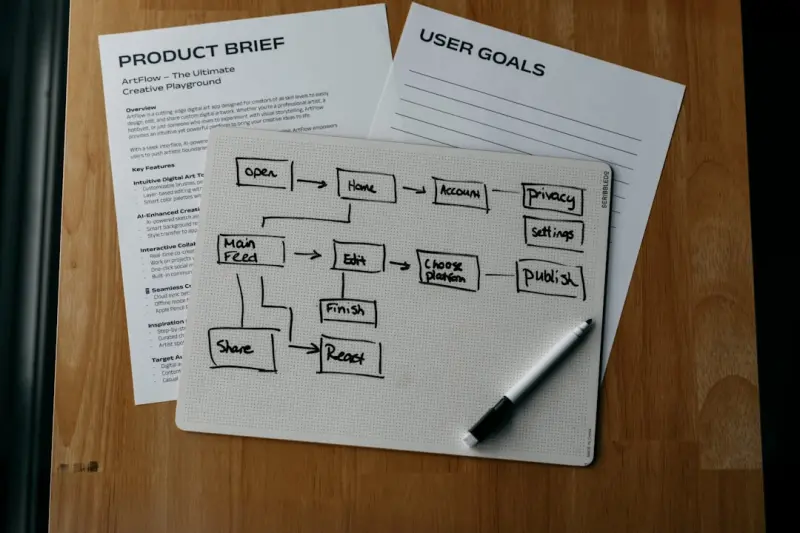
Pregnancy as a Strategic Sprint: Designing Your Next Chapter
Treat pregnancy like a strategic sprint: map trimesters to project phases, use simple data points, o... Read More
Top Posts

Playful Aging: Turning Structured Play into a Longevity Super‑Power
Integrating micro‑dance breaks, brain games, and playful meals can trigger neurochemical cascades that improve cognition, metabolism, and stress response—of...Read More
Smart Home Safeguards: A Senior’s Guide to Staying Upright
A practical guide for seniors on using smart lighting, wearables, voice assistants, and other home tech to reduce fall risk, boost confidence, and maintain inde...Read More

The Surprising Connection Between Mental Health and Weight Loss
Mental health plays a critical role in weight loss, with stress, anxiety, and emotional eating being major obstacles. Learn how to address these underlying issu...Read More
The Untapped Power of Preventive Care Benefits: A Guide for Savvy Professionals
Discover practical steps to audit your health insurance, leverage telehealth, and use preventive services effectively, turning coverage into a powerful tool for...Read More
0 Comments
Post Comment
You will need to Login or Register to comment on this post!