
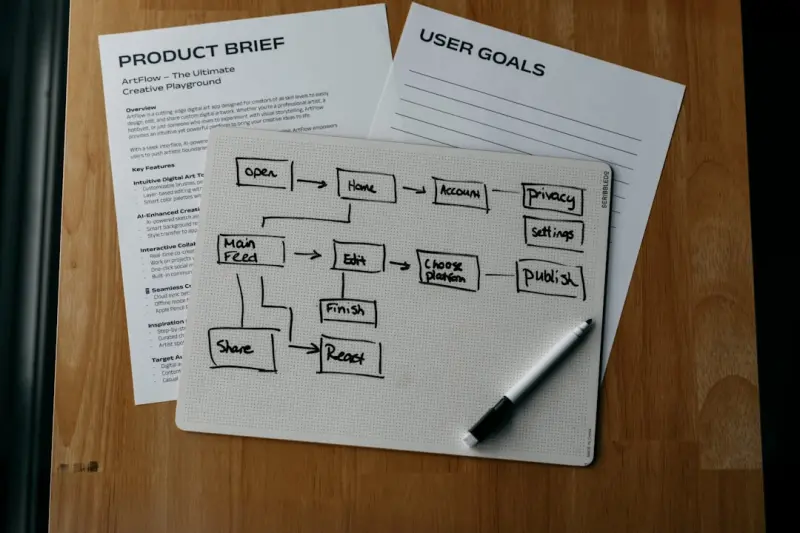
Pregnancy feels a lot like launching a startup: you have a bold vision, limited runway, a growing team you haven’t met yet, and a market that’s constantly shifting. When I first learned I was expecting, my mind defaulted to the familiar playbooks of product roadmaps and agile sprints. I asked myself: what if I treated this nine‑month journey the way I’d treat a high‑stakes project? The answer turned out to be a surprisingly empowering framework that let me stay grounded, data‑curious, and purpose‑driven without losing the magic of the experience.
1. Redefine the Timeline: From Gantt Charts to Trimesters
Most people think of pregnancy as three equal parts, but the reality is more nuanced. The first trimester is an exploratory research phase—your body is gathering data, testing tolerances, and laying foundational infrastructure (placenta, umbilical cord, hormonal pathways). The second trimester feels like a prototype iteration: you’ve validated core assumptions (energy levels, cravings, fetal movement) and can start scaling the environment. The third trimester is the final beta, where stress‑testing peaks and you’re polishing the product for launch.
Mapping these phases onto a strategic sprint mindset helps you allocate resources intelligently. For example, during the “research” phase, you might prioritize low‑impact activities (light stretching, nutrient‑dense meals) and defer high‑energy commitments (major home renovations) to later cycles. In the “iteration” phase, you can experiment with new routines—perhaps a morning walk that doubles as a mental reset or a short mindfulness practice that tracks mood trends.
2. Data‑Driven Nesting—Without Becoming a Spreadsheet Zombie
In tech, we love dashboards. In pregnancy, you already have a built‑in dashboard: your body. The trick is to capture actionable signals without drowning in noise. Instead of obsessively logging every kick, focus on three high‑signal metrics:
- Energy baseline: Record a quick “how awake do I feel?” score each morning on a 1‑10 scale.
- Sleep quality: Note total hours and perceived restfulness.
- Digestive comfort: Track bloating or heartburn episodes.
These data points can surface trends—maybe a certain snack spikes energy, or a particular bedtime ritual improves sleep. Over time, you’ll develop a personalized predictive model that informs day‑to‑day decisions without the overhead of a full‑blown health analytics platform.
3. The Architecture of Support Systems
Just as a product needs cross‑functional teams, a pregnancy thrives on a well‑designed support network. Map out the key players:
- Medical allies: OB‑GYN, midwife, lactation consultant.
- Personal allies: Partner, family, close friends.
- Community allies: Online forums, local parent groups, workplace mentors.
Assign each ally a clear role. Your medical team handles clinical decisions; your partner manages day‑to‑day logistics; your community offers emotional validation and practical tips. When roles are explicit, you avoid the common trap of “support overload,” where well‑meaning advice becomes conflicting noise.
4. Designing Your Physical Space for Hormonal Flow
Our environments shape our biology more than we admit. A cluttered bedroom can spike cortisol, while a calm, dimly lit nursery can encourage melatonin production. Consider the following low‑effort upgrades:
- Lighting: Swap harsh fluorescent bulbs for warm LEDs with adjustable dimmers. Aim for 300 lux in the evening to cue relaxation.
- Air quality: Add a plant like snake plant or pothos to filter VOCs; keep humidity around 40‑50%.
- Ergonomics: Invest in a supportive chair for work‑from‑home days; a well‑positioned pillow for side‑sleeping can reduce hip strain.
These tweaks echo the principles in Turning Your Environment into a Fat‑Burning Ally, but here we’re targeting hormonal balance rather than calorie burn.
5. Movement as Cognitive Ally
Physical activity isn’t just about staying fit; it’s a catalyst for neuroplasticity. When you move, you flood the brain with BDNF (brain‑derived neurotrophic factor), sharpening focus and mood regulation—critical assets during the hormonal rollercoaster of pregnancy.
Instead of a generic “exercise” prescription, think of movement as a cognitive co‑pilot. Choose activities that sync with your mental objectives:
- Morning walk → set an intention for the day.
- Prenatal yoga → cultivate body awareness and stress resilience.
- Light strength training → boost confidence in post‑birth recovery.
For a deeper dive on how movement can become your brain’s best partner, see When Movement Becomes Your Brain’s Best Co‑Pilot.
6. The Gut‑Brain Decision Loop
Pregnancy rewires the gut microbiome, which in turn influences mood, cravings, and even decision‑making. Understanding this loop can transform how you approach daily choices. When you notice a sudden urge for salty snacks, ask yourself: is this a genuine nutrient need, or is my gut signaling stress?
Research shows that a diverse microbiome supports serotonin production, the “feel‑good” neurotransmitter. Simple strategies to nurture this ecosystem include:
- Eating a variety of fermented foods (yogurt, kimchi, miso).
- Incorporating prebiotic fibers (asparagus, bananas, oats).
- Minimizing unnecessary antibiotics unless medically required.
This perspective aligns with the ideas explored in Why Your Gut Is the CEO of Your Decision‑Making, highlighting that gut health is a strategic asset—even more so when you’re gestating a new life.
7. Future‑Proofing Your Career and Finances
Pregnancy often triggers anxiety about career momentum. By treating your professional trajectory as a portfolio, you can allocate “capital” to protect against short‑term liquidity constraints (maternity leave) while positioning for long‑term growth.
Key tactics:
- Skill buffering: Before your leave, identify a high‑impact skill (e.g., data visualization) you can upskill in 30‑minute weekly bursts.
- Network continuity: Schedule quarterly virtual coffee chats with mentors; a brief touchpoint keeps you top‑of‑mind.
- Financial safety net: Build a “pregnancy buffer” of three months’ living expenses to cushion any unexpected medical costs.
These actions turn a potentially disruptive life event into a strategic advantage, echoing the broader theme of turning challenges into opportunities seen across our blog.
8. Embracing the Narrative: Storytelling as a Resilience Tool
One of the most underutilized resources during pregnancy is the power of narrative. Crafting a personal story—about why you’re becoming a parent, the values you’ll model, the legacy you hope to leave—creates an anchor point when hormonal waves threaten emotional stability.
Write a “pregnancy manifesto” that outlines:
- Your core intentions (e.g., “I will nurture curiosity in my child”).
- Key milestones you’re excited about.
- Affirmations that counteract fear (e.g., “My body knows how to grow life”).
Revisiting this manifesto during late‑night cravings or a sudden fatigue bout can reframe the experience from “what am I losing?” to “what am I gaining?”
9. The Fourth Trimester Blueprint
Even though the focus of this post is pregnancy, the transition into postpartum is an integral part of the sprint. Anticipate the “post‑launch” phase by:
- Setting up a recovery zone (quiet corner, supportive pillows).
- Scheduling a “post‑launch debrief” with your partner to discuss what worked and what didn’t in the pregnancy sprint.
- Planning a “feature rollout” for baby gear, introducing items gradually rather than all at once.
This proactive stance reduces the overwhelm that many new parents report and aligns the entire household with a clear, shared roadmap.
Conclusion: From Instinct to Intentional Design
Pregnancy doesn’t have to be a chaotic, gut‑reactive journey. By borrowing the language of design, data, and strategy, you can transform the experience into a series of intentional, measurable, and deeply rewarding steps. The goal isn’t to mechanize a miracle but to give yourself the tools to navigate the inevitable unknowns with confidence, curiosity, and a dash of entrepreneurial spirit.

Brody Lambert is an emerging freelance writer whose fresh voice and thoughtful approach are quickly making their mark. As a fairly new entrant in the world of freelance writing, Brody brings a blend of curiosity and dedication that fuels every project, crafting stories and content that resonate with authenticity and clarity.
Related Posts

Reimagining Pregnancy: A Blueprint for Holistic Empowerment
Discover a fresh, holistic approach to pregnancy that blends data insight, intentional space design,... Read More

Smart Wellness for Expecting Moms
Discover how modern tech, community gardens, gamified movement, and storytelling are reshaping pregn... Read More

Pregnancy Project Management: A Playbook for Expectant Moms
Discover a fresh approach to pregnancy by treating it as a project. This playbook offers practical m... Read More
Top Posts

The Intersection of Physiotherapy and Mental Health: A Comprehensive Approach
Physiotherapy and mental health are closely linked. A comprehensive approach to physiotherapy considers the whole person - body, mind, and spirit - and can prom...Read More

Guarding the Gut Barrier: A Practical Blueprint for Whole‑Body Resilience
A leaky gut can sabotage performance, skin health, and blood‑sugar stability. This article explains the gut barrier’s role, red‑flag symptoms, and a 30‑...Read More

Chasing Daylight: How Sunlight Timing Rewrites Your Body’s Blueprint
Learn how aligning your daily routine with sunrise, midday, and dusk sunlight can optimize hormone balance, gut health, and immune resilience, offering simple, ...Read More

Gentle Beginnings: How Tiny Rituals Shape Big Infant Health Futures
A deep dive into simple, evidence‑based daily rituals—skin‑to‑skin contact, mindful feeding, sustainable care, and gentle sleep strategies—that lay a ...Read More
0 Comments
Post Comment
You will need to Login or Register to comment on this post!