
Why Treat Pregnancy Like a Startup?
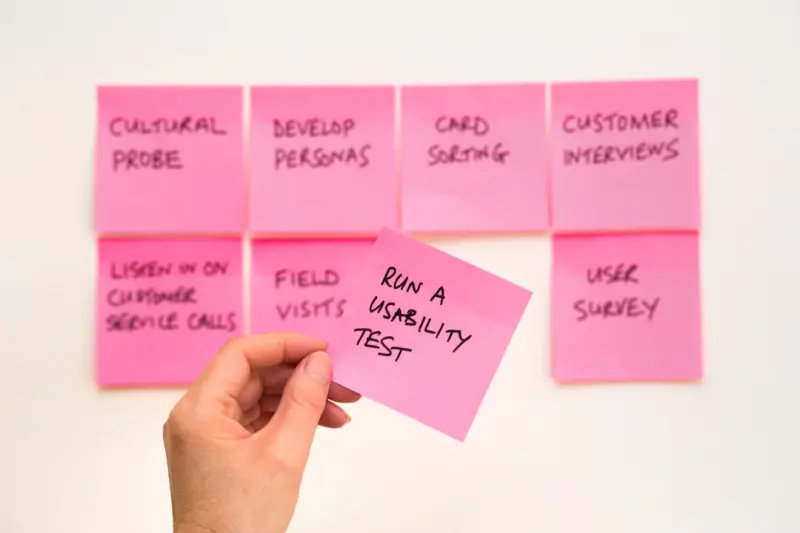
When I first heard the phrase “pregnancy as a startup,” I laughed. I imagined a tiny company with a tiny CEO and a board of grandparents. But the more I dug into the metaphor, the more it clicked. Like any high‑stakes venture, pregnancy has a clear vision (a healthy baby), a limited runway (time), investors (family, partners, healthcare providers), and a product roadmap (the birth plan). Framing this nine‑month journey through the lens of agile planning, data‑driven tools, and lean budgeting gives modern parents a playbook that feels both empowering and actionable.
Adopting an Agile Mindset for Your Birth Plan
Agile isn’t just for software teams. Its core principles—iteration, transparency, and responding to change—translate beautifully to pregnancy. Here’s how you can set up an agile birth sprint:
- Product Vision: Write a one‑sentence vision for your pregnancy. Example: “Deliver a thriving newborn while preserving my mental clarity and financial health.”
- Backlog Creation: List everything you might need—prenatal classes, birth‑partner training, hospital bag items, nutrition tweaks, and tech gadgets. Prioritize them based on impact and effort.
- Sprint Planning: Break the nine months into four‑week sprints. At the start of each sprint, select 3–5 backlog items to focus on. For instance, Sprint 2 might target “Finalize lactation support plan” and “Test a new prenatal yoga flow.”
- Daily Stand‑up (or Weekly Check‑In): Keep a brief journal or shared note with your partner. Highlight what went well, what’s blocking you, and what the next step is.
- Retrospective: At the end of each sprint, spend 10 minutes reviewing outcomes. Did you stick to your nutrition goals? Did a chosen breathing technique actually calm contractions? Adjust the backlog accordingly.
By treating each month as a sprint, you avoid the overwhelm of “all‑or‑nothing” thinking. You also create a living document that evolves with your body’s signals.
Data‑Driven Comfort: Wearables, Sensors, and Real‑Time Feedback
Technology has finally caught up to the needs of pregnant people. Modern wearable health tech can monitor heart rate variability, sleep quality, and even fetal movement patterns. The data isn’t just for clinicians—it can be your personal comfort dashboard.
Key metrics to track:
- Resting heart rate (RHR): A gradual rise can indicate growing cardiovascular demand. If your RHR spikes unexpectedly, consider a calming walk or a breath‑focused pause.
- Sleep stages: Many wearables break down deep, light, and REM sleep. Use this insight to tweak bedtime routines (think cool, dark rooms and gentle white‑noise playlists).
- Activity load: Aim for a “moderate” zone—roughly 150 minutes of low‑impact movement per week. Wearables can alert you when you’re over‑exerting or staying sedentary for too long.
- Fetal kick counts: Some advanced bands provide subtle vibration alerts when kicks exceed a threshold, giving you reassurance without constant manual checks.
When the numbers tell a story, you can make micro‑adjustments in real time, turning guesswork into precise, confidence‑boosting actions.
Sound and Light Therapy: A Low‑Tech Counterpart
Not every mom wants to invest in high‑end gadgets. Simple sensory hacks can create a calming environment that complements data‑driven insights.
- Soundscapes: Low‑frequency humming or nature recordings can lower cortisol. Play a 30‑minute ambient track during your evening wind‑down to improve REM cycles.
- Blue‑light management: Use amber glasses after sunset to protect melatonin production—crucial for both maternal sleep and fetal circadian entrainment.
- Temperature tuning: Keep the bedroom around 68‑70°F (20‑21°C). A cool environment supports deeper sleep and reduces night sweats.
These low‑tech tricks don’t replace professional care, but they create a “comfort stack” that amplifies the benefits of any wearable data you collect.
Microbiome‑Focused Nutrition: Feeding Two Ecosystems
While nutritional epigenetics highlights how food can influence gene expression, a newer frontier is the maternal‑infant microbiome connection. Your gut flora not only supports digestion and immunity; it seeds the newborn’s microbial world during birth and breastfeeding.
Here’s a microbiome‑first grocery list you can incorporate into a sprint backlog:
- Fermented foods: Sauerkraut, kimchi, kefir, and plain yogurt (look for live cultures).
- Prebiotic fibers: Chicory root, Jerusalem artichoke, onions, garlic, and asparagus.
- Omega‑3 rich fish: Wild‑caught salmon or sardines (ensure low mercury levels).
- Polyphenol boosters: Berries, green tea, and dark chocolate (70%+ cacao).
Pair these foods with a diversity score you can calculate using simple apps—track the number of distinct bacterial families you’re likely supporting each day. Aim for a score that rises by at least 5% each sprint; the gradual increase mirrors the growing complexity of your baby’s developing gut.
Financial Sprint: Smart Budgeting for the Modern Mom
Money worries are a silent stressor for many expecting parents. Instead of a vague “save more,” treat your finances like a product roadmap. The financial sprint strategies that work for startups can be repurposed for baby budgeting.
- Zero‑Based Budgeting: Allocate every dollar of your monthly income—salary, partner’s earnings, and any side‑gig cash—toward categories: prenatal care, nursery, maternity leave, and “buffer.” The buffer is your contingency for unexpected expenses (e.g., a last‑minute ultrasound).
- Subscription Audit: Cancel or pause non‑essential services (streaming, gym memberships) during the last two trimesters. Redirect those funds to a high‑yield savings account earmarked for the birth plan.
- Discount Hunting: Use cashback apps, manufacturer rebates, and bulk‑buy clubs for diapers, wipes, and formula. Even if you plan to breastfeed, having a stockpile for post‑birth emergencies can be a financial safety net.
- Insurance Optimization: Review your health plan’s maternity coverage. If you have a high‑deductible plan, consider a supplemental policy that covers prenatal labs and postpartum therapy.
- Side‑Gig Sprint: If your schedule allows, take on a short‑term freelance project that aligns with your skill set. Treat the earnings as a “venture capital” injection for your baby fund.
By assigning a sprint length (usually one month) to each financial goal, you keep the momentum high and avoid the paralysis that comes from a vague “save for baby” statement.
Building a Remote Support Network
Pregnancy can feel isolating, especially if you’re working from home or have limited in‑person support. Create a virtual “support squad” that mirrors the cross‑functional teams of a tech startup.
- Slack Channels or Discord Servers: Set up dedicated rooms for “Prenatal Nutrition,” “Mind‑Body Practices,” and “Mom‑to‑Mom Q&A.” Invite a mix of peers, doulas, and health professionals.
- Weekly Office Hours: Schedule a 30‑minute video call with your OB‑GYN or midwife for Q&A. Record the session (with permission) for future reference.
- Mentor Matching: Pair up with a seasoned parent who’s willing to review your sprint retrospectives and offer constructive feedback.
- Digital Accountability Partners: Use habit‑tracking apps where you and a partner can log water intake, prenatal vitamin adherence, and daily steps. Friendly competition can boost consistency.
This remote ecosystem not only reduces loneliness but also creates a feedback loop where data, advice, and emotional support flow freely.
Eco‑Friendly Pregnancy Hacks (Without Repeating the Green Baby Guide)
Even if you’re not ready to dive into a full eco‑conscious pregnancy overhaul, you can sprinkle small, high‑impact practices into your sprint backlog:
- Reusable Nursing Pads: Swap disposable pads for organic cotton versions that wash well and reduce landfill waste.
- Zero‑Waste Birth Kit: Assemble a kit with bamboo wipes, a stainless‑steel water bottle, and a compostable diaper liner for the hospital stay.
- Digital Birth Plan: Keep your birth plan in a cloud‑based doc instead of printing multiple copies. Share the link with your care team to cut paper use.
These micro‑changes add up, and they’re easy to integrate into existing agile sprints without derailing your primary goals.
Mindset Reset: From “Pregnant” to “Project Manager”
When you rebrand yourself mentally as a project manager, you automatically adopt a problem‑solving orientation. Challenges become tickets to resolve, not roadblocks. Here’s a quick mental checklist to run each morning:
- Identify the top three priorities for the day. Maybe it’s a prenatal appointment, a nutrition prep, and a 10‑minute meditation.
- Assess resource constraints. Do you have time, energy, or money for each?
- Allocate buffers. Include 10‑minute “recovery windows” between tasks to honor your body’s signals.
- Log outcomes. A simple bullet‑point log at night helps you see progress and spot patterns.
Over time, this habit transforms pregnancy from a passive experience into an active, data‑rich project that you steer with confidence.
Conclusion: Embrace the Sprint, Celebrate the Release
Pregnancy isn’t a static state; it’s a dynamic, evolving series of sprints that culminate in one of life’s most remarkable product launches. By borrowing agile frameworks, leveraging wearables, nurturing your microbiome, and treating finances like a startup runway, you give yourself the tools to navigate the nine‑month marathon with clarity, resilience, and a dash of excitement. Remember: each sprint ends with a retrospective, each retrospective fuels the next sprint, and the final release—your newborn—will be the ultimate proof of a well‑executed plan.

Tom Ferguson is a Canadian freelance writer with a passion for storytelling, current events, and thoughtful commentary. Drawing on years of writing experience, he shares engaging insights on a wide range of topics, bringing a uniquely Canadian perspective to his work.
Related Posts

Pregnancy Power Moves: Tiny Habits and Nighttime Rituals for a Thriving Trimester
A practical guide to using tiny daily habits, optimized nighttime routines, and micro‑connections ... Read More

The Gentle Art of Pregnancy Rituals: Creating Calm in the Midst of Change
Explore how intentional daily rituals—from mindful breathing and sensory practices to journaling a... Read More

Beyond the Bump: Leveraging Tech to Thrive During Pregnancy
Explore practical ways modern technology—wearables, integrated apps, and real‑time data—can su... Read More
Top Posts

Cultivating Purpose: The Secret Ingredient for Thriving in Later Life
Explore how purpose-driven activities, volunteering, and creative hobbies can boost brain health, strengthen connections, and make aging a vibrant, rewarding ad...Read More

When Ambition Becomes Appetite: Uncovering the Hidden Link Between High‑Pressure Careers and Disordered Eating
A deep dive into how relentless workplace pressure can turn food into a control tool, the biological feedback loops involved, and practical strategies for organ...Read More

Sleeping on the Clock: How to Thrive with Narcolepsy in a 24/7 World
A candid guide that blends data tracking, smart napping, nutrition, and community support to help those with narcolepsy thrive in a nonstop world....Read More

Stacking Small Wins to Outsmart Prediabetes
Learn how tiny, purposeful habit stacks—from coffee tweaks to five‑minute walks—can quietly shift blood sugar levels, turning prediabetes into a manageabl...Read More
0 Comments
Post Comment
You will need to Login or Register to comment on this post!