
Sleeping on the Clock: How to Thrive with Narcolepsy in a 24/7 World
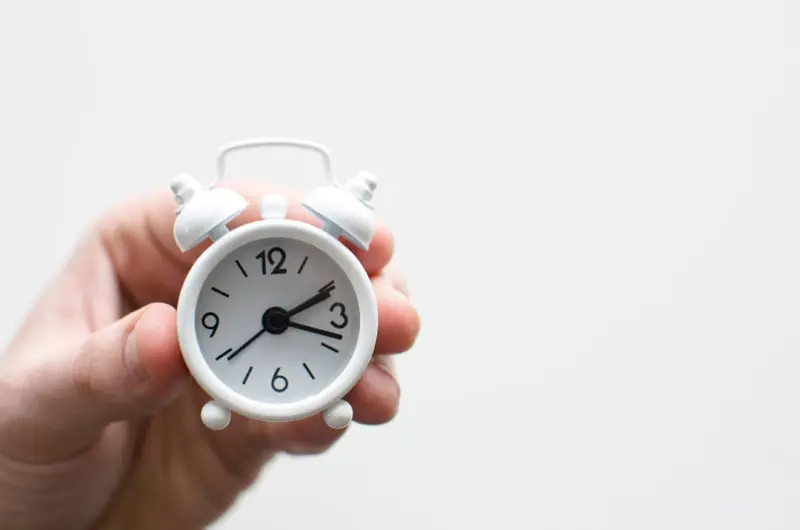
When I first learned the word “narcolepsy,” I imagined a cartoon character who could nap at the drop of a hat, snoring through a board meeting while everyone else stared in bewildered silence. Fast‑forward a decade, and the reality is anything but cartoonish. Narcolepsy is a chronic neurological condition that hijacks the brain’s sleep‑wake circuitry, sprinkling uninvited REM sleep throughout the day. For many of us, it feels like living with an invisible alarm clock that refuses to be silenced.
But here’s the kicker: the very quirks that make narcolepsy challenging can also become hidden strengths—if we learn to recognize, respect, and strategically work with them. In this post, I’m pulling back the curtain on the day‑to‑day realities of narcolepsy, sharing the tools that have helped me (and a growing community of peers) not just survive, but genuinely thrive in a world that never stops buzzing.
The Unseen Spectrum of Narcolepsy
First, let’s bust a myth: narcolepsy isn’t a monolith. There are two primary subtypes—type 1 (with cataplexy) and type 2 (without cataplexy)—and each person’s experience can vary dramatically in terms of sleepiness intensity, dream vividness, and the frequency of “sleep attacks.” Some folks find themselves nodding off in the middle of a Netflix binge, while others experience sudden muscle weakness triggered by strong emotions. The variability means that a one‑size‑fits‑all approach simply won’t work.
What I’ve learned over the years is that the condition is best understood as a spectrum of sleep‑related impulses. These impulses are not random; they often follow patterns tied to circadian rhythms, stress levels, and even what we eat. By mapping those patterns—think of it as a personal sleep‑weather forecast—you can start to anticipate when the “storm” might roll in and set up protective measures.
Mapping Your Personal Sleep‑Weather
1. Track, Track, Track – The most powerful tool in your arsenal is data. A simple spreadsheet or a phone app that logs when you feel drowsy, when you actually fall asleep, and what you were doing right before can reveal hidden triggers. Did you notice that a heavy lunch consistently sends you into a micro‑nap? Or that a stressful email thread spikes your cataplexy risk? Capture those moments, and you’ll start to see a pattern emerge.
2. Synchronize With Your Body Clock – Most people think of the circadian rhythm as a fixed 24‑hour cycle, but it’s flexible. By aligning your most demanding tasks with your natural peaks of alertness—often mid‑morning for many with narcolepsy—you can ride the wave of wakefulness instead of fighting it.
3. Micro‑Power Naps – The phrase “nap like a pro” isn’t a joke. Short, 10‑ to 20‑minute power naps can reset the brain’s alertness center without plunging you into deep sleep, which can lead to grogginess. Invest in a quiet corner, a sleep mask, and a timer, and treat those micro‑naps as non‑negotiable meetings on your calendar.
Designing a Narcolepsy‑Friendly Workspace
Most advice out there focuses on “disclosing your condition at work.” While transparency is crucial, it’s only the first step. The next step is creating an environment that reduces the need for emergency coping strategies.
- Adjustable Lighting – Bright, cool light in the morning can boost alertness, while dimmer, warmer light in the afternoon helps ease the transition toward rest. If you can’t control the office lighting, a personal desk lamp with adjustable color temperature is a game‑changer.
- Ergonomic Seating with “Rest‑Ready” Features – A recliner might sound like a luxury, but a chair that tilts slightly can help you slip into a brief, controlled nap without disrupting coworkers.
- Quiet Pods or “Do‑Not‑Disturb” Signals – Even a simple “nap in progress” sign can protect your micro‑sleep from unintended interruptions. Some companies have started offering nap pods; if yours doesn’t, a portable privacy screen works just as well.
For those who manage remote teams or are freelancers, you have the added advantage of crafting a workspace from scratch. Think of it as building a personal “sleep‑friendly HQ.”
Tech Tools That Actually Help (And Not Just Gadgets)
We live in a world where apps promise to “optimize your sleep,” but most of them are designed for the average sleeper, not for the neuro‑physiological quirks of narcolepsy. Here are a few that have earned my trust:
- Sleep‑Phase Alarms – These alarms wake you during a light sleep stage, reducing sleep inertia. Pair them with a short nap timer to ensure you don’t overshoot.
- Wearable Sensors – Devices that monitor heart rate variability can alert you when your body is gearing up for a sleep episode, giving you a heads‑up to find a safe spot.
- Task‑Management Apps with “Energy‑Based” Scheduling – Some platforms let you tag tasks with energy levels (high, medium, low). By syncing these tags with your sleep‑tracking data, you can automatically slot high‑focus work into your alert windows.
When you combine these tools with a habit of regular data logging, you essentially create a personal AI that nudges you toward smarter decisions throughout the day.
Nutrition: Fueling the Awake Brain
Food is often overlooked in narcolepsy conversations, yet it plays a pivotal role in stabilizing blood sugar, which directly impacts alertness. Here’s a quick guide:
- Complex Carbs Over Simple Sugars – Whole grains, legumes, and veggies release glucose slowly, preventing the crash that can trigger an unwanted nap.
- Protein at Every Meal – Amino acids help maintain neurotransmitter balance, supporting wakefulness.
- Omega‑3 Fatty Acids – Found in fatty fish, flaxseeds, and walnuts, these fats support brain health and may improve the quality of nocturnal sleep.
- Hydration – Dehydration can mimic fatigue. Keep a water bottle within arm’s reach and sip regularly.
While there’s no “narcolepsy diet,” these principles can smooth out the peaks and valleys of daytime sleepiness.
Relationships and Social Life: Navigating the Unpredictable
One of the most under‑discussed aspects of narcolepsy is its impact on friendships and romance. Imagine planning a weekend getaway, only to realize you’ll need to schedule three naps in the middle of a hike. Or consider a date where you feel an inexplicable wave of drowsiness right after a heartfelt confession.
Here’s how I’ve turned potential awkward moments into opportunities for deeper connection:
- Honest Conversation Early On – A brief, candid chat about your condition can set realistic expectations. Most people appreciate the transparency and become allies rather than skeptics.
- Co‑Create “Nap‑Friendly” Activities – Instead of a marathon movie night, try a “movie‑plus‑nap” format: watch a film in two halves with a scheduled 15‑minute rest in between. It’s a win‑win for entertainment and energy management.
- Leverage Humor – Light‑hearted jokes about your “spontaneous snoozes” can defuse tension and remind others that you’re in control, not the other way around.
When you share the narrative that narcolepsy is part of who you are—just like a love for coffee or a penchant for karaoke—you invite others to see it as a facet of your identity, not a flaw.
Exercise: Not Just a Fatigue Fighter, But a Mood Booster
Physical activity is a double‑edged sword for many with narcolepsy. On one hand, moderate exercise can boost neurotransmitters that promote wakefulness; on the other, overexertion can trigger excessive fatigue. The sweet spot lies in consistency and timing.
My go‑to regimen looks like this:
- Morning Light Cardio (20‑30 minutes) – A brisk walk or gentle cycling under natural light helps set the circadian rhythm for the day.
- Mid‑Afternoon Stretch Session (10 minutes) – Simple yoga poses or dynamic stretches can stave off the post‑lunch slump without draining energy.
- Evening Wind‑Down – Light resistance training or tai chi keeps the body active but not overstimulated, promoting restful nighttime sleep.
If you’re new to exercise, start small. Even a 5‑minute movement break every hour can dramatically improve alertness.
Medication Management: Finding the Right Balance
Pharmacological treatments—such as modafinil, armodafinil, or sodium oxybate—can be lifesavers, but they’re not a silver bullet. Side effects, tolerance, and timing all need careful consideration. Working closely with a sleep specialist who understands the nuances of narcolepsy is essential.
Here are three tips for navigating medication:
- Start Low, Go Slow – Begin with the lowest effective dose and titrate gradually to avoid jitteriness or insomnia.
- Schedule Doses Around Your Peaks – If you’re most alert in the late morning, schedule a stimulant dose shortly before that window.
- Keep a Side‑Effect Diary – Document any headaches, anxiety, or digestive issues. This data helps your doctor fine‑tune the regimen.
Remember, medication works best when paired with lifestyle strategies; it’s not a substitute for good sleep hygiene.
Embracing the “Sleep‑Smart” Lifestyle
What does “sleep‑smart” look like? It’s a philosophy that treats sleep not as a passive state to be endured, but as an active tool you can wield. Think of it like this: just as athletes strategically schedule rest days to improve performance, you can schedule nap windows, nutrition, and movement to optimize both wakefulness and restorative sleep.
Below is a sample day that embodies the sleep‑smart approach. Feel free to adjust the timing to suit your own rhythm:
- 07:00 – Wake with natural light; 5‑minute stretch.
- 07:30 – Protein‑rich breakfast (eggs, avocado, whole‑grain toast).
- 08:30 – Light cardio (walk or bike) – 20 minutes.
- 10:00 – Focused work session (high‑energy tasks).
- 11:30 – 15‑minute power nap (sleep‑phase alarm).
- 12:00 – Light lunch (quinoa salad, chickpeas, leafy greens).
- 14:00 – Collaborative meetings (moderate energy required).
- 15:30 – Stretch break + hydration.
- 16:00 – Short, low‑stress task (email triage).
- 17:00 – 20‑minute power nap or quiet meditation.
- 18:00 – Dinner with balanced macros.
- 20:00 – Wind‑down routine (reading, gentle music).
- 22:00 – Lights out, aiming for 7‑8 hours of nocturnal sleep.
It may sound regimented, but the beauty of this framework is its flexibility. The goal isn’t perfection; it’s consistency.
Building Community: You’re Not Alone
One of the most empowering steps I took was connecting with other narcolepsy advocates. Online forums, local meet‑ups, and social media groups provide a safe space to swap tips, vent frustrations, and celebrate wins. For instance, I discovered a thread where members shared “nap‑friendly” coffee shop spots—places with comfortable chairs, low traffic, and ambient noise levels conducive to short rests.
In fact, I recently contributed an article to a broader mental‑health series that explored how storytelling as a mental health superpower can help us reframe our experiences. The act of narrating our narcolepsy journey not only validates our feelings but also educates others, reducing stigma.
If you’re hesitant to join a community, start small: comment on a blog post, attend a virtual webinar, or simply follow a hashtag on Twitter. You’ll be surprised at how quickly a supportive network can form.
Looking Ahead: Innovation on the Horizon
Exciting research is underway that could reshape how we manage narcolepsy. From wearable devices that predict sleep attacks based on subtle physiological cues to gene‑editing approaches targeting the orexin system, the future holds promise. While many of these breakthroughs are still in clinical trials, staying informed can give you a sense of agency.
Meanwhile, practical innovations—like “smart” office furniture that gently reclines at pre‑programmed intervals—are already making their way into forward‑thinking workplaces. Keep an eye on tech blogs and health‑tech newsletters; you might spot a solution that fits your lifestyle before it becomes mainstream.
Final Thoughts: Own Your Narrative
Narcolepsy is undeniably challenging, but it doesn’t have to define your limits. By treating sleep as a strategic resource, leveraging data, and cultivating a supportive environment—both at work and at home—you can turn the condition into a catalyst for creativity, empathy, and resilience.
Remember, the goal isn’t to eliminate sleepiness (that would be impossible), but to orchestrate it. When you align your life’s rhythm with the brain’s natural impulses, you’ll find yourself moving through the day with confidence, humor, and—yes—still a few well‑timed naps.
Ready to start your own sleep‑smart journey? Begin by logging a single day of data, schedule a 15‑minute power nap, and reach out to a community member. Small steps, big impact.

Nikki McDonald is a freelancer based in Waterloo. She brings her skills and expertise to various projects, balancing her professional work with a personal life that includes her husband, Stewart.
Related Posts

Nourish, Move, Breathe: A Holistic Toolkit for Managing Narcolepsy Symptoms
Discover how balanced meals, mindful movement, and simple breathing practices can reduce narcolepsy ... Read More

Rethinking Narcolepsy: Turning Unpredictable Sleep Into Workplace Innovation
A fresh look at narcolepsy reveals hidden strengths—micro‑synchronization, creative bursts, and ... Read More

Navigating Intimacy and Social Life When Narcolepsy Calls the Shots
Explore how to maintain strong connections, communicate effectively, and turn narcolepsy’s challen... Read More
Top Posts

Turn Your Health Insurance Into a Strategic Business Asset
Discover a step‑by‑step playbook that transforms health insurance from a cost into a strategic advantage, boosting wellness, performance, and the bottom lin...Read More

Nurturing Your Newborn’s Immune Resilience Through Everyday Sensory Rituals
Learn practical, gentle rituals—like safe outdoor time, skin‑to‑skin contact, and texture play—that build a resilient immune system for your newborn fro...Read More

Sleeping Soundly: Paul Gray’s Holistic Blueprint to Tackle Sleep Apnea
Paul Gray shares a holistic, step‑by‑step plan—diet, detox, sleep environment, and mind‑body practices—to silence sleep apnea and reclaim refreshing, ...Read More

Rewilding Your Gut: The Power of Soil‑Based Probiotics
A deep dive into soil‑based probiotics reveals how these ancient, spore‑forming microbes can diversify your gut, improve digestion, and enhance mental clari...Read More
0 Comments
Post Comment
You will need to Login or Register to comment on this post!