
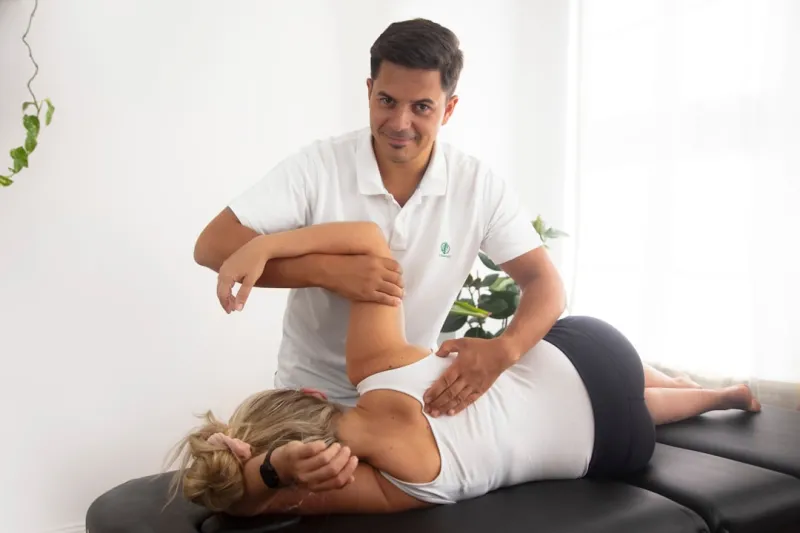
When I first stepped into the world of physiotherapy, I was driven by a simple belief: movement is medicine, and the body knows how to heal itself if we just give it the right cues. Over the years, my practice has evolved from isolated joint work to a holistic blueprint that blends manual therapy, functional training, and lifestyle coaching—all aimed at restoring the body's innate resilience. This shift wasn’t just professional; it was personal, as I watched athletes, retirees, and busy parents rediscover freedom from pain through subtle yet powerful adjustments in how they move, breathe, and rest.
Reframing Pain as a Signal, Not a Sentence
Most clients arrive with the misconception that pain is a permanent verdict, a sentence they must serve indefinitely. I challenge that narrative by treating pain as a messenger, a data point that tells us where the system is out of balance. Through comprehensive assessments that include posture, gait, and even breath patterns, I can pinpoint the hidden drivers—whether it’s a tight hip flexor, a weak core, or chronic stress manifesting as muscular tension. By addressing these root causes, we transform the pain narrative from “I’m broken” to “I’m learning to move smarter,” which in turn empowers clients to take an active role in their recovery.
Integrating Functional Movement into Everyday Life
Physiotherapy doesn’t end when the session does; its true impact is measured by how you navigate stairs, lift groceries, or pick up a child without grimacing. I spend time crafting functional movement programs that mirror real‑world tasks, using progressive overload and motor learning principles to build strength, stability, and confidence. For example, a simple squat can be broken down into hip hinge, knee alignment, and breath coordination drills, turning a daily motion into a therapeutic exercise. This approach not only accelerates healing but also fortifies the body against future injuries, creating a sustainable loop of health and performance.
Nutrition and the Microbiome: The Unexpected Ally
It may sound unconventional, but I’ve found that gut health plays a pivotal role in tissue repair and inflammation control. A balanced microbiome supports nutrient absorption, immune modulation, and even pain perception, making it an essential piece of the physiotherapy puzzle. I often reference my Gut Health Blueprint: Tom Ferguson’s Holistic Path to a Thriving Microbiome, where I outline dietary strategies—like fermented foods, omega‑3 rich fish, and fiber‑dense vegetables—that complement manual therapy and accelerate recovery. By aligning nutrition with movement, we create a synergistic environment where muscles, joints, and connective tissues can heal more efficiently.
Mind‑Body Connection: Breathwork as a Therapeutic Tool
Breathing is often the most overlooked lever in physiotherapy, yet it directly influences core stability, circulation, and the nervous system’s stress response. I teach diaphragmatic breathing techniques that not only improve oxygen delivery to healing tissues but also calm the sympathetic nervous system, reducing muscle guarding and facilitating smoother movement patterns. Incorporating breath cues during exercises—inhale to lengthen, exhale to engage—creates a mind‑body dialogue that amplifies the effectiveness of each session. Clients quickly notice that mastering their breath translates to reduced anxiety, better sleep, and a heightened sense of control over their bodies.
Technology Meets Touch: Leveraging Modern Tools
While my hands remain the primary instrument, I embrace technology to enhance diagnostic precision and patient engagement. Wearable motion sensors, digital gait analysis, and tele‑rehab platforms allow me to monitor progress in real time and adjust treatment plans on the fly. These tools also empower clients to track their own metrics, fostering accountability and motivation. For instance, a simple app that logs daily squat depth can reveal subtle improvements that might otherwise go unnoticed, reinforcing the habit of consistent practice and celebrating incremental wins.
Special Populations: Tailoring Blueprint for Women and Seniors
Every demographic brings unique challenges, from hormonal fluctuations in women to age‑related sarcopenia in seniors. I draw on insights from the Holistic Strategies Every Woman Needs to Thrive in 2024 to address pelvic floor health, menstrual cycle‑aligned training, and bone density preservation, ensuring that physiotherapy supports women’s distinct physiological rhythms. Likewise, the principles outlined in the Healthy Aging from My Desk: Tom Ferguson’s Holistic Blueprint for a Vibrant Future guide my approach with older adults, emphasizing low‑impact strength work, balance drills, and joint‑friendly mobility routines that sustain independence and confidence.
Building a Community of Movement Enthusiasts
Healing is rarely a solitary journey; community amplifies success. I foster a supportive network through group workshops, online forums, and peer‑led challenge weeks where participants share milestones, troubleshoot setbacks, and celebrate progress together. This communal environment not only reduces the stigma around seeking physiotherapy but also creates a feedback loop of motivation that keeps individuals engaged long after the initial injury has healed. When you see a neighbor master a movement that once seemed impossible, you internalize that success as your own, reinforcing the belief that everyone can thrive with the right blueprint.
Future Horizons: The Evolving Landscape of Physiotherapy
Looking ahead, I’m excited about integrating regenerative medicine, AI‑driven personalized exercise algorithms, and virtual reality simulations into physiotherapy practice. These innovations promise to tailor interventions with unprecedented precision, making treatment plans adaptable to each person’s genetic makeup, activity level, and recovery trajectory. Yet, no matter how sophisticated the technology becomes, the core of my philosophy remains unchanged: empower individuals to listen to their bodies, move with intention, and nurture the whole self. By staying grounded in this holistic blueprint, we ensure that the future of physiotherapy remains both cutting‑edge and deeply human.

Tom Ferguson is a Canadian freelance writer with a passion for storytelling, current events, and thoughtful commentary. Drawing on years of writing experience, he shares engaging insights on a wide range of topics, bringing a uniquely Canadian perspective to his work.
Related Posts

Creative Arts as a Catalyst in Physiotherapy: Boosting Healing Through Music, Dance, and Movement
Explore the transformative power of creative arts in physiotherapy, from rhythmic music to movement ... Read More

Nature‑Based Physiotherapy: Healing Outdoors
Explore the emerging practice of nature‑based physiotherapy, where outdoor environments enhance pr... Read More
Rewilding Rehabilitation: How Nature and Play Transform Physiotherapy
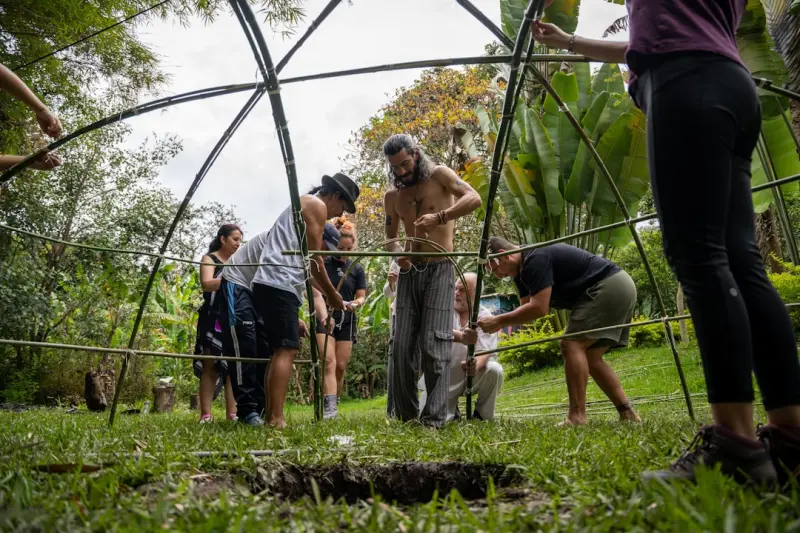
Physiotherapy meets the outdoors in this fresh perspective, exploring how natural terrain, playful c... Read More
Top Posts

Unlocking Peak Performance: How Untreated Sleep Apnea Undermines Business Success
Sleep apnea silently erodes cognitive sharpness and physical stamina, costing businesses millions. This post reveals the physiological effects, workplace implic...Read More

The Gut‑Liver Axis: Small Moves, Big Wins for Hepatic Health
A fresh look at liver health focuses on the gut‑liver axis, wearable insights, and tiny lifestyle tweaks that together protect the organ and improve overall w...Read More

Unlocking Hidden Energy: Strategic Hacks for Professionals with Narcolepsy
A practical guide for professionals with narcolepsy, offering micro‑nap protocols, data‑driven tools, movement tricks, and workplace advocacy tips to harnes...Read More
Reboot Your System: A Fresh Blueprint for Body Detox
A new detox strategy that moves beyond juice cleanses, focusing on kinetic cleansing, respiratory reset, and chronobiology alignment to support the body’s nat...Read More
0 Comments
Post Comment
You will need to Login or Register to comment on this post!