
Why Your Brain Might Be the Missing Muscle‑Building Partner
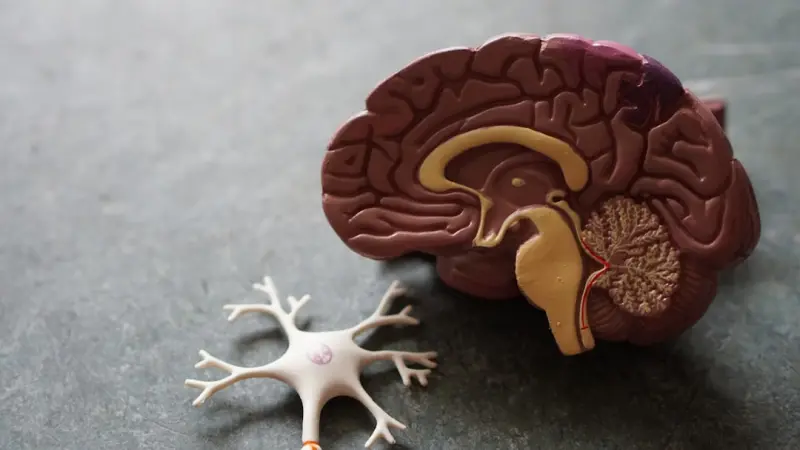
When most people think about bulking up, the first things that come to mind are heavy dumbbells, high‑protein shakes, and maybe a “bro‑split” schedule. What if I told you that the most powerful lever for muscle gain isn’t in the gym at all, but inside your skull? The nervous system orchestrates every fiber you try to grow, deciding which motor units fire, how intensely they contract, and how quickly they recover. By learning to prime your brain for hypertrophy, you can shave weeks off your progress, lift heavier with less joint strain, and keep the dreaded plateaus at bay.
The Hidden Blueprint: Motor Unit Recruitment
Every muscle is a mosaic of motor units—clusters of muscle fibers innervated by a single motor neuron. The body naturally follows the size principle: it recruits smaller, low‑threshold units first (the endurance‑type fibers) and only taps into the larger, high‑threshold units (the true strength builders) when the demand spikes. Traditional strength training already exploits this by pushing to failure, but there’s a smarter way.
- Pre‑activation drills: Light, explosive movements (e.g., kettlebell swings, medicine‑ball slams) before a heavy set fire up the high‑threshold units, making them ready to respond to the subsequent load.
- Neural priming sets: Performing a set of 3–5 reps at ~70% of your 1RM with maximal intent (think “move the bar as fast as you can”) before your main working set spikes motor neuron firing rates, leading to greater fiber recruitment during the heavy lift.
- Variable cadence training: Slowing the eccentric (lowering) phase to 4‑6 seconds while exploding on the concentric (lifting) phase forces the nervous system to stay engaged longer, increasing time‑under‑tension without sacrificing intensity.
These tactics shift the nervous system from a passive to an active role, essentially telling your muscles, “We’re serious about growth—let’s recruit the big guns now.”
Variable Resistance & Eccentric Overload: The Science of Changing the Load Mid‑Movement
Static plates are the gym’s old‑school staple, but they’re a blunt instrument for a nuanced goal like hypertrophy. Variable resistance devices—bands, chains, or even smart weight systems—alter the load throughout the range of motion, aligning resistance with the muscle’s natural strength curve.
When the band is slack at the bottom of a squat, the muscle works against a lighter load, allowing you to focus on perfect form and depth. As you rise, the band stretches, adding more weight precisely where your glutes and quads are strongest. This creates a progressive overload that is both mechanical and neural, compelling the brain to continually adapt its recruitment pattern.
Even more potent is eccentric overload. By using a partner or a spotter to add extra weight only on the lowering phase, you force the muscle fibers to endure higher tension while the nervous system remains in a high‑alert state. Studies show eccentric training can stimulate up to 60% more micro‑tears— the raw material for hypertrophy—while incurring less metabolic fatigue than pure concentric work.
Neuro‑Priming: Using Mental Focus to Amplify Muscle Activation
Mind‑muscle connection is more than a buzzword; it’s a measurable neurophysiological phenomenon. Functional MRI scans reveal that when lifters visualize a lift and concentrate intensely on the target muscle, the corresponding motor cortex lights up more strongly. This translates to higher EMG (electromyography) activity and, over time, greater fiber recruitment.
Here’s a practical routine to embed neuro‑priming into your workouts:
- Visualization (30 seconds): Close your eyes and see the bar traveling the exact path you want, feeling the tension in the intended muscle group.
- Isometric “pre‑tension” (10‑15 seconds): Before each set, press against an immovable object (or hold the bar at the midpoint) while keeping the target muscle fully engaged.
- Cue‑Based Breathing: Inhale deeply as you prepare, exhale sharply at the point of maximal contraction. This rhythmic pattern synchronizes cortical activity with muscular effort.
Doing this consistently can add an extra 5‑10% in muscle activation, a margin that compounds dramatically over months.
Wearable‑Powered Hypertrophy Tracking: Turning Data into Muscle‑Fuel
We live in an age where wearable technology is no longer limited to step counts. Modern sensors can capture bar velocity, time‑under‑tension, and even muscle oxygen saturation in real time. By feeding this data into an AI‑driven analytics platform, you can pinpoint exactly when you’re under‑recruiting or over‑relying on momentum.
Key metrics to monitor:
- Mean Concentric Velocity (MCV): Slower MCV at a given load often indicates fatigue; a sudden drop can signal you’re approaching the “neural ceiling” and should consider a rest set.
- Time‑Under‑Tension (TUT) per Rep: Aim for 2‑3 seconds concentric, 4‑5 seconds eccentric on hypertrophy‑focused lifts.
- Muscle Oxygenation (SmO2): A dip below 40% during heavy sets suggests deep muscle activation—great for growth—but sustained lows may indicate insufficient recovery.
Integrating these insights lets you auto‑adjust your training variables on the fly, ensuring each session is a deliberate neural stimulus rather than a guess‑work routine.
Micro‑Movement Mastery for Hypertrophy: Small Actions, Big Gains
While macro‑lifts (squats, deadlifts) dominate the conversation, the cumulative effect of micro‑movements—tiny, intentional contractions woven throughout your day—can dramatically enhance muscle protein synthesis. Think of them as “muscle‑fueling snack breaks” for your nervous system.
Examples include:
- Isometric Desk Holds: While seated, press your palms together as hard as possible for 10 seconds, repeat 5× every hour.
- Band “Fly‑by” Sessions: Keep a light resistance band anchored near your workstation; perform 15‑second “fly” motions every 90 minutes.
- Post‑ural Stretch‑Hold: Stand, hinge forward, and hold the stretch for 20 seconds; this not only improves posture but also activates the posterior chain intermittently.
These micro‑stimuli keep the motor units primed, reduce neural fatigue, and maintain a baseline anabolic environment—especially useful on “light” training days or during travel when heavy equipment isn’t accessible.
Nutrition Timing Revisited: Matching Fuel to Neural Peaks
Most bodybuilding guides preach “eat protein every 3‑4 hours,” but recent evidence suggests aligning macronutrient intake with your brain’s alertness cycles can improve muscle protein synthesis (MPS). Your cortical arousal follows a circadian rhythm, peaking mid‑morning and again early evening. Consuming a high‑protein, moderate‑carb meal within 30 minutes of these peaks can amplify the anabolic signaling cascade.
Practical plan:
- Morning Peak (≈ 9 AM): 30 g whey isolate + 40 g complex carbs (oats, fruit).
- Pre‑Workout (≈ 1 PM): 20 g casein + 20 g fast carbs (rice cakes) to fuel your session.
- Evening Peak (≈ 7 PM): 30 g casein + healthy fats (avocado, nuts) to sustain MPS overnight.
This approach respects both the muscle and the brain, ensuring that when you’re neurologically primed, the nutrients are ready to be shuttled into muscle fibers.
Recovery Hacks Beyond Sleep: Neural Reset Strategies
Sleep is the gold standard, but for athletes chasing rapid gains, supplemental neural recovery can be a game‑changer.
- Cold‑Water Immersion with Contrast: Alternate 1 minute of ice water with 2 minutes of warm water. The vasomotor swing stimulates the autonomic nervous system, reducing sympathetic over‑drive that can blunt motor unit firing the next day.
- Transcranial Direct Current Stimulation (tDCS): Low‑level electrical currents applied to the motor cortex for 20 minutes have been shown to boost voluntary activation by up to 8% in a single session.
- Breath‑Controlled Meditation: Box breathing (4‑4‑4‑4) for 5 minutes post‑workout lowers cortisol, preserving neural excitability for the next training block.
Incorporating any two of these methods a few times per week can accelerate neural recovery, translating to stronger, more controlled lifts.
Putting It All Together: A 4‑Week Neuro‑Hypertrophy Blueprint
Below is a sample program that fuses the concepts above. Adjust load percentages to match your current 1RM.
| Day | Focus | Key Sets | Neuro‑Priming Element |
|---|---|---|---|
| Monday | Upper Push (Chest/Shoulders) | Bench Press 4×6 @ 75% 1RM (variable resistance bands) | Visualization + pre‑tension isometric hold |
| Tuesday | Lower Body Power | Deadlift 5×3 @ 80% 1RM (eccentric overload with chains) | Explosive kettlebell swings as pre‑activation |
| Wednesday | Active Recovery | Full‑body mobility circuit + Micro‑Movement Mastery drills | Box breathing & light band flies |
| Thursday | Upper Pull (Back/Biceps) | Pull‑ups 4×5 (weighted) + band‑assisted rows 3×8 | Neural priming cues (cue‑based breathing) |
| Friday | Lower Hypertrophy | Front Squat 4×8 @ 65% 1RM (variable resistance) + slow eccentric 5‑second | tDCS session (optional) + post‑ural stretch‑hold |
| Saturday | Full‑Body Conditioning | Complexes (clean‑press‑squat‑row) 3 rounds | Micro‑movement bursts every 10 minutes |
| Sunday | Rest | Cold‑water contrast therapy | Meditation + protein timing (evening peak) |
Track your bar velocity and SmO2 using a wearable; if velocity drops > 0.1 m/s from baseline, drop the load or insert a rest set. After four weeks, reassess your 1RM and adjust the percentages upward by 2‑3%.
Final Thoughts: Embrace the Brain‑Body Alliance
The era of “just lift heavier” is fading. Modern muscle‑building success hinges on a sophisticated dialogue between your nervous system and your muscles. By integrating motor unit priming, variable resistance, neuro‑focused mental cues, data‑driven wearables, and strategic micro‑movements, you create a synergistic environment where every rep is an intentional signal for growth.
If you’ve been stuck in a plateau, start with one neural tweak—perhaps a 5‑minute visualization before each workout—and let the cascade of improvements unfold. The next time you step onto the platform, you’ll notice not just stronger bars, but a sharper, more engaged mind driving every lift.

Kelly Reynolds is a dynamic freelance writer hailing from the picturesque landscapes of Alberta. A master of the written word, she juggles her passion for storytelling with the exhilarating chaos of being a mother to five spirited children. With an impressive portfolio that spans various genres, Kelly captivates readers through her engaging blog posts and thought-provoking articles.
Related Posts

Muscle Gain for the Modern High‑Achiever: Micro‑Progress, Neuro‑Space, and Sustainable Strength
A practical guide for high‑achieving professionals to build muscle through tiny, consistent upgrad... Read More

The Hidden Levers of Muscle Growth: A Science‑First Playbook
Discover how to supercharge muscle gain by mastering the mind‑muscle connection, strategic periodi... Read More

Mastering the Mind‑Muscle Connection for Faster Muscle Gain
I’ve learned that muscle growth isn’t just about lifting heavy; it’s about training the brain ... Read More
Top Posts

Fermented Foods: The Hidden Architects of Immune Resilience
Fermented foods do more than aid digestion—they rewire your immune system. Learn the science, practical tips, and why these ancient foods are essential for mo...Read More

Health Insurance for the Modern Workforce: A Dynamic, Data‑Driven Approach
A deep dive into how health insurance can evolve for the gig economy, leveraging real‑time health data, AI risk modeling, and employer partnerships to create ...Read More

Rhythm‑Based Strategies to Stabilize Blood Sugar Naturally
Learn a rhythm‑based approach to blood sugar management that syncs eating, exercise, and evening calm with your circadian clock, promoting steadier glucose le...Read More

The Hidden Rhythm: Light, Timing, and Environment as Your Blood Sugar Conductors
Discover how aligning your daily light exposure, strategic meal timing, and ambient environment can create a natural rhythm that stabilizes blood sugar and boos...Read More
0 Comments
Post Comment
You will need to Login or Register to comment on this post!