
Why the Gut Is the Real Decision‑Maker
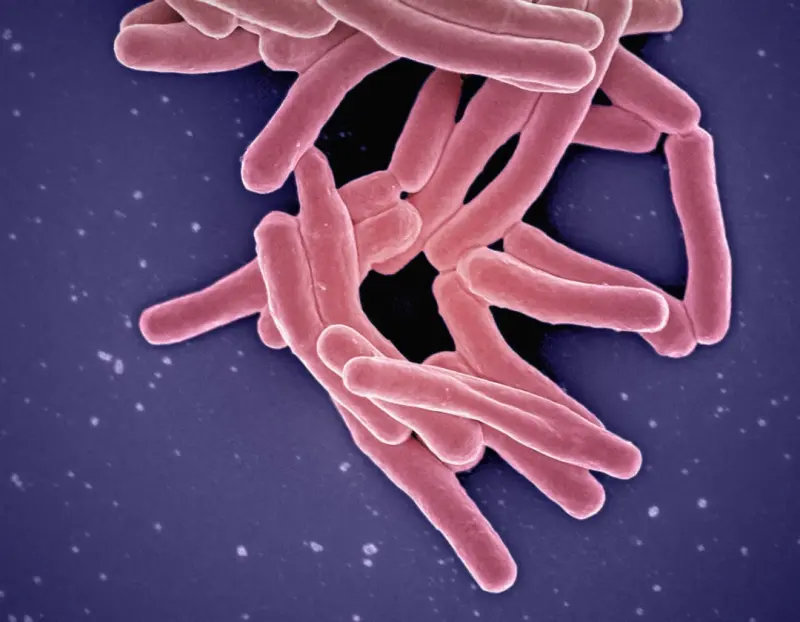
When I first started tracking my meals, I realized that my cravings weren’t random—they were signals from a bustling ecosystem of bacteria that lived beneath my ribs. The gut‑brain axis is a two‑way street of neural, hormonal, and immune pathways that literally lets microbes whisper in our ears about what to eat, how to feel, and even what risks to take; studies now show that certain strains can nudge us toward novelty or caution with astonishing precision. By listening to these whispers instead of fighting them, I learned to re‑engineer my daily choices, turning gut‑driven impulses into strategic moves that align with my long‑term goals.
The Science of Microbial Mood‑Modulation
Research reveals that short‑chain fatty acids produced by fiber‑fermenting bacteria cross the blood‑brain barrier and act as natural antidepressants, calming the amygdala while enhancing prefrontal clarity. This biochemical cocktail can amplify feelings of safety, allowing the rational mind to surface without the fog of chronic inflammation that often masquerades as anxiety or irritability. I began to notice that on days when I prioritized prebiotic‑rich foods, my brainstorming sessions felt smoother, and my emotional reactivity dropped dramatically.
Fermented Foods as Cognitive Catalysts
Fermented powerhouses—kimchi, kefir, miso—are more than culinary curiosities; they deliver live cultures that outcompete harmful microbes and secrete neuroactive compounds like GABA and serotonin precursors. When I incorporated a modest spoonful of sauerkraut into my lunch, I felt a subtle lift in mental stamina that lasted well into the afternoon, a sensation I later linked to a surge in beneficial lactobacilli colonizing my colon. This isn’t a miracle cure, but a pragmatic tool: each fermented bite seeds a resilient microbiome that supports clearer thinking and steadier mood.
Balancing Diversity with Precision
Just as a symphony needs a variety of instruments, a thriving gut requires microbial diversity, yet not all bacteria play well together; dominance by one species can crowd out the rest, leading to dysbiosis and mood swings. I started rotating my fiber sources—chickpeas one week, oats the next—to feed different bacterial guilds, creating a dynamic equilibrium that mirrors a well‑balanced portfolio. The result was a more stable baseline of serotonin production, which translated into fewer emotional peaks and valleys during high‑stress project deadlines.
Strategic Prebiotic Pairings
While many focus on the probiotic “hero” foods, the real backstage crew are the prebiotics—non‑digestible fibers that feed the good bugs. Pairing resistant starches like cooled potatoes with polyphenol‑rich berries creates a synergistic environment where bacteria flourish and produce antioxidant metabolites that protect brain cells from oxidative stress. In practice, I now end my dinner with a small bowl of lentil salad tossed in rosemary, a habit that not only satisfies my palate but also fuels a thriving micro‑garden that supports sharper decision‑making the next day.
Gut‑Friendly Lifestyle Hacks
Beyond the plate, stress management, sleep hygiene, and movement all shape microbial health; chronic cortisol spikes can thin the mucus lining, letting opportunistic microbes invade and trigger inflammation that clouds judgment. I adopted a simple ritual of 10 minutes of gentle yoga before bed, which lowered my cortisol and allowed my gut barrier to repair, resulting in fewer midnight cravings and clearer morning focus. Small, consistent actions compound—much like the micro‑wins I’ve celebrated in other health journeys—turning gut health into a sustainable performance enhancer.
Linking Microbiome to Creative Flow
There’s a growing body of evidence that a balanced gut can unlock creative flow by stabilizing dopamine pathways, the same circuitry that fuels artistic inspiration and problem‑solving. When my microbiome is in harmony, I experience a “quiet” mental space where ideas surface organically rather than feeling forced. This aligns with insights from Cooking Up Cognitive Strength, where the author describes how kitchen curiosity fuels brain health—a principle that extends seamlessly to gut‑driven creativity.
Practical Steps to Reset Your Gut Compass
To start, I recommend a three‑phase plan: (1) audit your current diet for hidden sugars and excessive emulsifiers, (2) introduce a daily fermented serving and a rotating prebiotic schedule, and (3) embed a stress‑reduction habit that respects your circadian rhythm. Consistency beats perfection; even a single probiotic spoonful each day can shift the microbial balance enough to notice calmer decision‑making within weeks. Tracking mood alongside stool consistency using a simple journal provides feedback loops that keep you accountable and motivated.
Connecting the Dots: From Gut Health to Whole‑Life Resilience
Ultimately, nurturing your gut is an act of future‑self stewardship; a thriving microbiome not only supports digestion but also fortifies emotional resilience, sharpens cognition, and amplifies the sense of agency that fuels every other health goal. By viewing the gut as an intelligent partner rather than a passive organ, you can leverage its signals to make choices that feel both instinctive and intentional. For those eager to explore deeper synergies, the concepts in Unlocking the Power of Food Synergy offer a roadmap to pair foods in ways that supercharge both gut health and overall vitality.

Brody Lambert is an emerging freelance writer whose fresh voice and thoughtful approach are quickly making their mark. As a fairly new entrant in the world of freelance writing, Brody brings a blend of curiosity and dedication that fuels every project, crafting stories and content that resonate with authenticity and clarity.
Related Posts

Gut Feelings: How a Balanced Microbiome Fuels High‑Performance Living
A deep dive into how a thriving gut microbiome powers focus, stamina, and resilience for high‑perf... Read More

The Packaging Paradox: How Modern Wrappers Undermine Your Gut Health
Modern food packaging introduces chemicals that destabilize the gut microbiome, leading to inflammat... Read More

How My Fermentation Rituals Rewired My Gut‑Brain Connection
A personal journey into fermentation, seasonal prebiotics, and sleep reveals simple steps to strengt... Read More
Top Posts

Mental Microbreaks: Tiny Pauses, Massive Gains
A deep dive into mental microbreaks reveals how brief, intentional pauses—combined with visual resets, breath anchors, and micro‑movement—can dramatically...Read More
Beyond the Gym: How Time-Restricted Eating Reinvents Men’s Energy and Longevity
Time-restricted eating aligns meals with the body’s natural clock, enhancing testosterone, mental clarity, and fat loss. This guide shows men how to start, av...Read More
Steady Glucose, Steadier Performance: Turning Blood Sugar Into a Workplace KPI
Discover why blood sugar matters for workplace performance, how to monitor it with modern wearables, and practical steps to turn glucose stability into a compet...Read More
Longevity as a Skill: Building Resilience for a Longer Life
Longevity isn’t a matter of luck; it’s a skill you can train. This article outlines a practical, data‑driven approach—hormetic stressors, optimized spac...Read More
0 Comments
Post Comment
You will need to Login or Register to comment on this post!