

Why the Traditional “Willpower” Narrative Falls Short
For decades, the conversation around eating disorders has been framed as a battle of willpower versus temptation. The language of “self‑control,” “discipline,” and “strength” feels familiar, but it also reinforces a hidden stigma: that recovery is a solo, heroic feat. When I first stepped into a therapy room as a peer‑support volunteer, I quickly realized that this narrative leaves many feeling isolated, ashamed, and exhausted.
Recovery is not a linear climb up a mountain where you hoist a flag at the summit and stay there forever. It’s a winding path that loops back on itself, intersects with community, and is colored by the stories we tell ourselves and others. To break free from the shackles of the willpower myth, we need to shift the focus from “I must resist” to “I am worthy of support, and my story matters.”
The Hidden Power of Narrative: Turning Your Experience Into a Tool
Storytelling is more than an artistic exercise; it is a neuro‑psychological process that rewires the brain’s relationship with memory and emotion. When we give shape to our experiences, we create a narrative scaffold that can hold us up during moments of crisis. In my own journey, writing about my relationship with food transformed a chaotic flood of thoughts into a coherent map I could navigate.
Research shows that narrative therapy can reduce rumination and increase self‑compassion, two critical factors in eating disorder recovery. By externalizing the “eating disorder” as a character in your story, you begin to see it as something you can engage with, negotiate with, and eventually, change the script of.
For a deeper dive into how storytelling can reshape health journeys, check out The Power of Storytelling in Your Weight‑Loss Journey. While that piece focuses on weight loss, the underlying principles apply equally to eating disorder recovery.
Community as a Prescription: The Science of Shared Healing
Human beings are wired for connection. Social isolation is a well‑documented risk factor for mental health struggles, including eating disorders. Yet, many treatment models still prioritize individual therapy over community‑based interventions.
Enter the concept of the “social prescription.” Instead of prescribing a pill, clinicians recommend structured community activities—book clubs, walking groups, creative workshops—that foster belonging. When you feel seen and heard by peers who share similar struggles, the internal dialogue shifts from “I’m alone” to “I’m part of something larger.”
A recent study highlighted how community engagement can lower physiological stress markers, including blood pressure, which is often elevated in individuals experiencing chronic anxiety around food. You can read more about the broader health impacts of community involvement in The Social Prescription: How Community Lowers Blood Pressure Naturally.
Practical Steps to Build Your Narrative‑Community Toolbox
- Start a “Recovery Journal” that reads like a story. Begin each entry with a scene setting (“It’s 7 am, the kitchen smells of toast”) and then describe the internal conflict and the outcome. Over time, you’ll notice patterns and turning points.
- Find a “Story Circle.” Look for local or online groups where members share personal narratives around food, body image, or recovery. The act of listening and being heard validates your experience and offers new perspectives.
- Leverage external memory tools. Use apps, voice memos, or visual boards to capture moments of insight that might otherwise slip away. Externalizing thoughts reduces the mental load and frees up cognitive space for self‑compassion.
- Integrate “micro‑community” rituals. Simple practices like a weekly shared meal with a trusted friend, or a monthly creative art night, embed social support into your routine.
- Practice narrative reframing. When you catch yourself labeling a slip‑up as “failure,” rewrite it: “I tried a new coping skill, and it taught me more about my triggers.”
Off‑Loading Your Mind: The Role of External Memory Tools
One of the biggest challenges in eating disorder recovery is the constant mental replay of food‑related anxieties. This rumination can drain cognitive resources, making it harder to focus on daily tasks or enjoy moments of leisure. External memory tools—digital or analog—serve as a “brain dump” that off‑loads these looping thoughts.
Consider a simple habit: after each meal, record a one‑sentence note about how you felt physically and emotionally. Over weeks, you’ll accumulate a data set that reveals trends you might not have noticed otherwise. This practice not only reduces mental clutter but also provides concrete evidence you can reference during therapy.
For more ideas on how to off‑load mental clutter, explore Off‑Loading Your Mind: External Memory Tools for Sharper Thinking. The strategies outlined there can be directly adapted to manage food‑related thoughts.
Redefining Success: From “Weight” to “Well‑Being”
Our culture’s obsession with weight as the primary metric of health is especially toxic for those wrestling with eating disorders. Success should be measured by quality of life, emotional resilience, and the ability to engage in meaningful relationships—not by the number on a scale.
Consider creating a “well‑being dashboard” that tracks sleep quality, mood variability, social interactions, and moments of self‑kindness. When you see progress in these areas, the scale becomes just one data point among many, rather than the sole arbiter of worth.
Bridging the Gap Between Clinical Care and Everyday Life
Therapists and dietitians provide invaluable expertise, but the day‑to‑day reality of living with an eating disorder extends far beyond the clinic walls. The tools we discuss—storytelling, community engagement, external memory aids—are designed to be woven into the fabric of daily life.
Ask yourself:
- Who in my life can become a trusted “story partner” for sharing my narrative?
- What community activities feel safe yet challenging enough to stretch my comfort zone?
- Which external memory tools feel intuitive for me to adopt?
By answering these questions, you create a personalized recovery ecosystem that supports you long after the last therapy session ends.
Looking Ahead: A Collective Call to Action
Eating disorder recovery is a collective endeavor. When we shift the narrative from solitary battle to shared story, we invite more voices, more empathy, and more innovative solutions into the conversation. If you’re a clinician, consider integrating community‑based “story circles” into your treatment plans. If you’re a survivor, think about how your personal narrative could inspire others.
We all have a part to play in dismantling the myth that willpower alone can conquer an eating disorder. By embracing community, narrative, and practical tools for mental off‑loading, we move toward a future where recovery is not just possible—it’s sustainable and deeply human.

Kelly Reynolds is a dynamic freelance writer hailing from the picturesque landscapes of Alberta. A master of the written word, she juggles her passion for storytelling with the exhilarating chaos of being a mother to five spirited children. With an impressive portfolio that spans various genres, Kelly captivates readers through her engaging blog posts and thought-provoking articles.
Related Posts

The Unspoken Palette: Creative Communities as Catalysts for Eating Disorder Healing
Discover how collaborative art and community storytelling provide powerful, non‑clinical pathways ... Read More

From Silent Struggles to Shared Strength: Redefining Support for Eating Disorders
Discover how to transform eating disorder recovery by reshaping environments, leveraging digital dat... Read More

Beyond the Mirror: Harnessing Digital Peer Networks for Eating Disorder Recovery
Digital peer networks are transforming eating disorder recovery by providing real‑time support, da... Read More
Top Posts

Mindful Movement: The Fitness Trend That Merges Sweat With Serenity
Explore the rise of mindful movement, a fitness trend that fuses breath work, balanced workouts, and holistic nutrition to transform your exercise routine into ...Read More

Cultivating a Pregnancy Mindset: Community, Creativity, and Calm
A fresh take on prenatal well‑being, this post guides expecting parents to build supportive networks, use visualization for a positive birth story, and adopt ...Read More
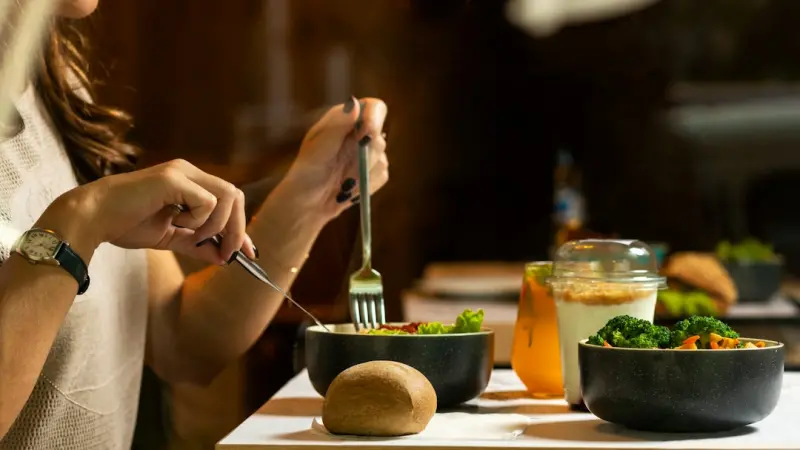
The Quiet Power of Food Pairing: Boosting Brain Performance Through Strategic Nutrition
Explore the science of nutrient synergy and learn practical food pairings, timing strategies, and environmental tips that turn everyday meals into powerful tool...Read More
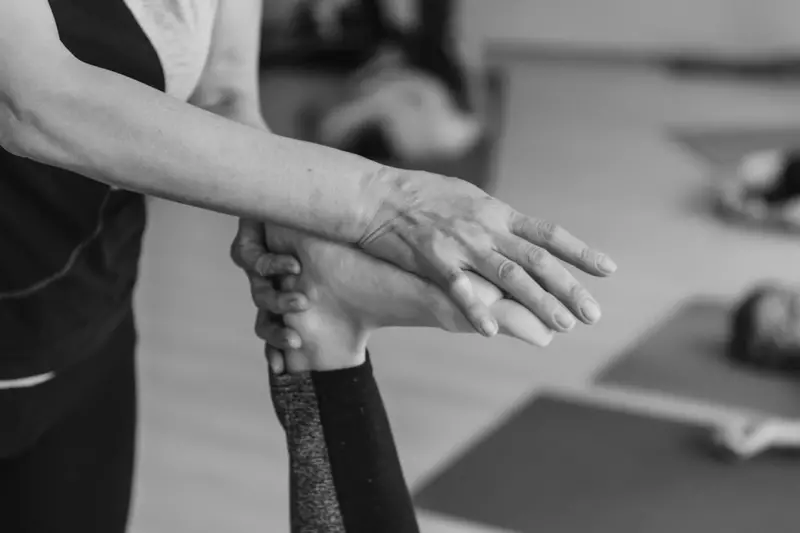
Playful Physiotherapy: Turning Recovery into a Game
Explore the power of playful movement in physiotherapy—learn why games, storytelling, and simple props can accelerate recovery and keep patients motivated....Read More
0 Comments
Post Comment
You will need to Login or Register to comment on this post!