
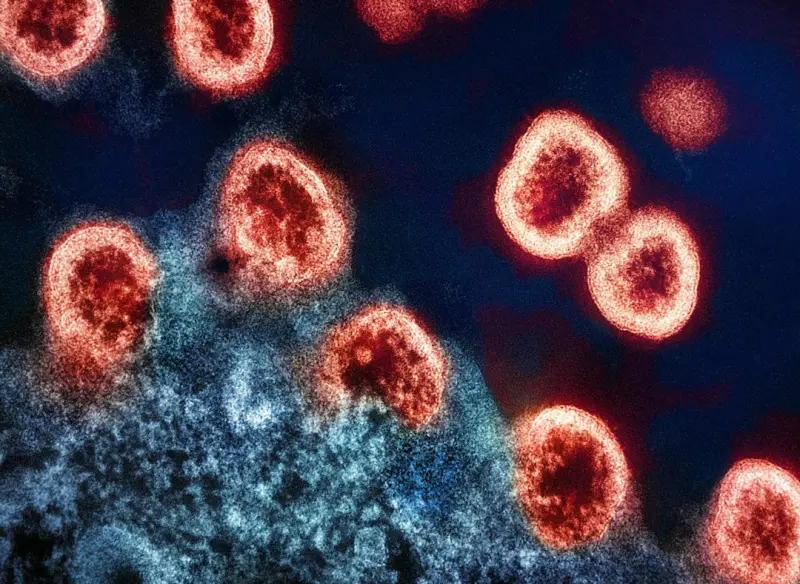
Autoimmune disease feels like living with an internal weather system that flips from calm to storm without warning. One day I’m sprinting through a morning jog, the next I’m curled up on the couch, wrestling with joint pain that feels like invisible barbs. Over the years I’ve spoken to patients, researchers, and my own body to decode the subtle signals that precede a flare‑up. The truth I keep returning to is that we have more levers to pull than the conventional “meds‑only” narrative suggests. By aligning daily rhythms, environmental cues, and nuanced lifestyle tweaks, we can coax the immune system back into a cooperative partnership rather than a rogue adversary.
Understanding the Internal Alarm System
The immune system is a vigilant sentinel, constantly scanning for threats. In autoimmune conditions, that sentinel misidentifies the body’s own cells as invaders, launching an attack that spirals into chronic inflammation. While genetics set the stage, the script is written by a cascade of triggers: stress hormones, gut microbes, sleep patterns, and even the quality of light that washes over our skin each day. Think of it as a house alarm that’s been wired incorrectly—every movement sets it off. Our goal is to rewire that circuitry, not merely to silence the alarm, but to calibrate it so it only sounds when truly needed.
The Clockwork Connection: Circadian Rhythm as an Immune Modulator
Most of us know that a good night’s sleep feels restorative, but few realize that the same circadian clock governs immune cell trafficking. Studies reveal that cytokine production—the proteins that signal inflammation—peaks at night, while anti‑inflammatory pathways dominate during daylight. Disruptions such as shift work, blue‑light exposure after sunset, or inconsistent meal timing can throw this rhythm off‑balance, creating a fertile ground for flare‑ups.
My own experiment began with a simple rule: no screens after 8 p.m. I swapped the habit of scrolling through feeds for a dim amber lamp, allowing melatonin to rise naturally. Within weeks, the nightly stiffness in my fingers lessened, and my energy plateaued rather than crashing. The lesson? Small, consistent changes to light exposure can reverberate through the immune system, reducing the “false‑alarm” frequency.
Environmental Light: More Than Vision
Natural sunlight does more than boost vitamin D; it entrains the master clock in the suprachiasmatic nucleus (SCN) of the brain. When the SCN receives consistent light cues, it synchronizes peripheral clocks in immune cells, gut lining, and even adipose tissue. Conversely, erratic indoor lighting—fluorescents that flicker, LEDs that emit high‑frequency blue light—can fragment these peripheral clocks.
Practical steps:
- Morning Sunburst: Aim for at least 15 minutes of outdoor light within the first hour of waking. Even on cloudy days, the ambient light is sufficient to send the “daytime” signal.
- Evening Dim‑Down: Replace bright bulbs with warm, low‑intensity sources after dusk. Consider “night‑shift” glasses that filter blue wavelengths if you must work late.
- Seasonal Adjustments: In winter, supplement with a light therapy box set to 10,000 lux for 20‑30 minutes, preferably in the morning.
Nutrition Timing: Feeding the Clock, Not Just the Stomach
When we eat, we send potent metabolic cues to our peripheral clocks. A erratic eating schedule—snacking late at night or skipping breakfast—creates “time‑drift” that desynchronizes immune cells from the central clock. I experimented with a 10‑hour eating window (7 a.m. to 5 p.m.) and noticed fewer morning joint aches. The key isn’t a restrictive diet; it’s a consistent rhythm that respects the body’s natural fasting–feeding cycle.
Pair this timing with nutrient-dense choices that support immune regulation: omega‑3 fatty acids, antioxidant‑rich berries, and fermented foods. While the gut is a well‑trodden path in immune discussions, the timing of those foods adds a layer often overlooked.
Microbial Strategies for Peak Performance
Speaking of gut health, the microbiome is an undeniable player in autoimmunity. A balanced microbial community produces short‑chain fatty acids that nurture regulatory T‑cells—peacekeepers that keep the immune system from overreacting. For those curious about deeper dives, my earlier piece on microbial strategies for peak performance outlines practical ways to foster diversity, from prebiotic fibers to targeted probiotic strains.
What’s often missed, however, is the synergy between microbiome timing and circadian rhythm. A study showed that taking probiotics in the morning aligns with the gut’s natural motility peaks, enhancing colonization. So, consider pairing your morning coffee with a fermented drink or a probiotic capsule to maximize benefit.
Stress Hormones: The Unseen Puppeteers
Stress is the classic culprit in autoimmune flare‑ups, but the mechanism is precise: cortisol, the primary stress hormone, should follow a diurnal pattern—high in the morning, tapering off by night. Chronic stress flattens this curve, leaving the immune system in a perpetual state of alert.
Integrating low‑intensity movement—like a 5‑minute stretch after waking—can cue the adrenal glands to produce cortisol at the right time. Breathing exercises, which I explore in another article, are also effective, but here’s a quick routine:
- Inhale through the nose for four counts.
- Hold for four counts.
- Exhale through the mouth for six counts.
- Repeat for two minutes before breakfast.
Consistent practice recalibrates the cortisol rhythm, allowing the immune system to “stand down” during the evening.
Hormonal Balance Beyond Cortisol
Autoimmune diseases disproportionately affect women, partly due to the interplay between estrogen, progesterone, and immune function. Fluctuations during menstrual cycles, pregnancy, or menopause can tip the immune balance. A holistic approach that respects these hormonal tides can be transformative.
For a deeper dive into harmonizing hormones without pharmaceuticals, see my guide on balancing hormones naturally. The core ideas—mindful nutrition, sleep hygiene, and gentle movement—translate directly to autoimmune management, offering a roadmap to smoother hormonal seas.
Movement as an Immune Reset
High‑intensity workouts are often touted for health, but for autoimmune patients, the intensity and timing matter. Vigorous exercise spikes inflammatory markers temporarily, which can be counterproductive if performed close to bedtime or during a flare. Instead, adopt a rhythm of moderate activity interspersed with restorative sessions:
- Morning Mobility: 10‑minute dynamic warm‑up to awaken joints and stimulate blood flow.
- Mid‑day Walks: Light cardio that encourages lymphatic drainage without overstressing joints.
- Evening Yoga or Tai Chi: Gentle flows that activate parasympathetic pathways, promoting repair.
This cadence mirrors the body’s natural oscillations, supporting immune tolerance rather than provocation.
Environmental Toxins: The Silent Agitators
Beyond light and food, our built environment can stealthily aggravate autoimmunity. Volatile organic compounds (VOCs) from paints, cleaning agents, and even scented candles can act as adjuvants, amplifying immune reactivity. I conducted a simple home audit: replace synthetic fragrances with essential‑oil‑free alternatives, opt for low‑VOC paints, and increase ventilation by opening windows for ten minutes each morning.
These seemingly minor adjustments reduce the background “noise” that the immune system has to filter, allowing it to focus on genuine threats.
Building a Personal Autoimmune Dashboard
Data‑driven self‑care is a powerful ally. I created a low‑tech dashboard to track four variables: sleep quality, light exposure, stress rating (1‑10), and symptom severity. By logging these each night, patterns emerged—low light exposure correlated with higher morning stiffness, and elevated stress scores preceded evening flare‑ups.
Tools such as spreadsheet templates or simple journal entries are sufficient. Over time, the dashboard becomes a personal predictive model, guiding proactive tweaks before a full‑blown flare.
Community and Shared Wisdom
Living with an autoimmune condition can feel isolating, yet collective experience is a reservoir of practical insights. Online forums, patient‑led webinars, and local support circles often share real‑world hacks—like the exact timing of a warm foot soak that eases Raynaud’s episodes. While professional medical advice remains paramount, peer‑generated strategies can complement clinical care, adding layers of nuance that research papers may overlook.
When you engage with these communities, you also contribute to the evolving narrative of what works, creating a virtuous cycle of knowledge sharing.
Putting It All Together: A Sample 7‑Day Reset
Below is a concise plan that integrates the principles discussed. Feel free to adapt based on your schedule and symptom profile.
- Day 1 – Light & Sleep Reset: No screens after 8 p.m., morning sunrise exposure, 8 hours of sleep.
- Day 2 – Nutrition Timing: Begin eating window at 7 a.m., finish by 5 p.m.; include fermented kefir at breakfast.
- Day 3 – Stress Breath: Practice 2‑minute breathing before meals; note stress score.
- Day 4 – Movement Mix: 10‑minute mobility in the morning, 20‑minute walk after lunch, gentle yoga at night.
- Day 5 – Environmental Detox: Open windows for 10 minutes each morning, replace scented candles with unscented alternatives.
- Day 6 – Hormonal Harmony: Follow a balanced‑macro meal plan focusing on omega‑3s; track any menstrual or hormonal shifts.
- Day 7 – Review & Adjust: Analyze dashboard data, identify patterns, and tweak the next week’s plan accordingly.
Remember, the objective isn’t perfection but consistency. Small, sustainable adjustments compound over weeks, gradually shifting the immune system from a state of chronic vigilance to one of measured, appropriate response.
Looking Forward
The journey with autoimmunity is ongoing, a dance between biology and lifestyle. By honoring the body’s intrinsic rhythms—light, food, movement, and stress—we gain leverage over a condition that often feels out of our control. My hope is that this perspective empowers you to experiment, observe, and ultimately rewrite the script your immune system follows. The tools are there; it’s a matter of aligning them with the cadence of your own life.

William Roy is a freelance writer originally from Montreal who moved to Ottawa with his wife of 50 years to be closer to their grandkids. Alongside his writing, William has a passion for fishing.
Related Posts

Navigating Autoimmune Sensitivity: A Personal Blueprint for Balance
A personal account of living with autoimmune disease, offering a four‑pillar approach—nutrition,... Read More

Unlocking Autoimmune Healing Through Creative Expression
A deep dive into the science and practice of using creative activities to modulate the immune system... Read More

When the Immune System Goes Rogue: A Data‑Driven Playbook for Autoimmune Wellness
Discover a step‑by‑step guide to using symptom logs, wearables, and lifestyle tracking to predic... Read More
Top Posts

Confronting Sleep Terrors in 2026: My Holistic Path to Restful Nights
A personal, holistic roadmap for 2026 that tackles sleep terrors through nutrition, breathwork, environment detox, and nightly rituals, guiding you toward calm,...Read More
Rewilding Your Gut: How Wild Microbes Can Boost Modern Health
Explore actionable strategies to rewild your gut—using fermented foods, foraged greens, and kitchen practices—to restore microbial diversity, improve digest...Read More

Beyond the Stretch: How Emerging Tech Is Redefining Physiotherapy
Discover the latest physiotherapy innovations—from immersive VR rehab and daily micro‑movements to data‑driven treatment plans—that empower patients to ...Read More

Sweat the Small Stuff: How Skin‑First Detox Can Transform Your Energy
Explore the untapped power of skin‑first detox with practical sauna, cold‑exposure, and movement strategies that help release toxins, improve skin health, a...Read More
0 Comments
Post Comment
You will need to Login or Register to comment on this post!