

Why the First Year Is a Critical Window for Immune Development
When I held my newborn for the first time, I felt an instant desire to protect that tiny, vulnerable body from every unseen threat. Science tells us that the first twelve months are a “golden window” when an infant’s immune system is rapidly learning to distinguish friend from foe, and every exposure can tip the balance toward resilience or sensitivity. By understanding the biology behind this window, parents can make intentional choices that nurture a robust, adaptable immunity that lasts a lifetime.
Breastfeeding: Nature’s First Vaccine and Its Hidden Benefits
Breast milk is more than nutrition; it’s a living, dynamic source of antibodies, live bacteria, and immune‑modulating compounds that evolve as your baby grows. My own experience of nursing showed how quickly my baby soothed after a tummy upset, a response I later learned was driven by secretory IgA coating the gut lining and preventing harmful microbes from taking hold. Gut microbiome research confirms that these early microbes seed a diverse intestinal ecosystem, which in turn educates the infant’s immune cells to respond appropriately.
Introducing Solids: The Art of Gentle Exposure
Transitioning to solid foods can feel like stepping onto a tightrope, but it’s also an opportunity to teach the immune system tolerance through controlled exposure. I started with single‑ingredient purees, waiting three days between new foods to watch for reactions, a practice that mirrors the “graded exposure” techniques used in allergy prevention. By offering a rainbow of vegetables, fruits, and proteins, you provide a variety of phytonutrients and prebiotic fibers that fuel beneficial gut bacteria, reinforcing that diverse diet equals stronger immunity.
Probiotic Power: Choosing the Right Supplements
While breast milk supplies natural probiotics, many families consider supplements to boost the infant’s microbial arsenal, especially after a course of antibiotics. In my research I found that strains like Bifidobacterium infantis have been clinically shown to reduce colic, lower the risk of eczema, and support vaccine responses. Always choose products that are third‑party tested for purity and contain at least 1‑2 billion CFU per dose; a small, quality dose can make a big difference without overwhelming the delicate gut environment.
Sleep Hygiene: Quiet Nights, Stronger Defenses
Sleep isn’t just restorative for the brain; it’s a frontline defender that regulates inflammatory pathways and hormone balance. I discovered that a consistent bedtime routine—dim lights, a warm bath, and a lullaby—helped my baby settle faster and stay asleep longer, which in turn reduced the frequency of nighttime coughs and fevers. Research links adequate sleep to higher levels of natural killer cells, the body’s “hit‑and‑run” soldiers that patrol for infections while you’re dreaming.
Vaccination Confidence: Building Trust Through Transparency
Vaccines are often the most misunderstood tool in infant health, yet they are essential for training the immune system safely. I chose to sit with my pediatrician, ask detailed questions, and read the latest studies, which gave me the confidence to follow the recommended schedule without hesitation. When parents model trust and calm, babies sense reduced stress, which can improve vaccine efficacy by minimizing cortisol spikes that otherwise blunt immune responses.
Environmental Toxins: Guarding the Growing Body
From household cleaners to airborne pollutants, infants are uniquely vulnerable to chemicals that can impair immune function. I switched to fragrance‑free, plant‑based cleaners and installed an air purifier in the nursery, noticing fewer instances of sneezing and skin irritation. Simple steps—ventilating rooms, avoiding scented candles, and opting for natural fabrics—create a cleaner micro‑environment that lets the baby’s immune system focus on genuine threats, not chemical irritants.
Food Synergy: Pairing Nutrients for Maximum Impact
Just as adults benefit from strategic food combinations, infants can gain extra immune support by pairing certain foods that enhance nutrient absorption. For example, pairing vitamin C‑rich pureed strawberries with iron‑fortified cereals boosts iron uptake, vital for oxygen transport and immune cell proliferation. Food synergy isn’t a fad; it’s a science‑backed approach that maximizes the protective power of each bite you offer.
Creating a Calm, Connected Parenting Journey
Ultimately, nurturing an infant’s immunity is as much about the emotional climate as it is about nutrition and hygiene. I learned that staying present—holding my baby skin‑to‑skin, talking softly, and responding promptly to cries—fosters a secure attachment that reduces stress hormones, which in turn supports healthy immune development. When parents prioritize their own well‑being, practice mindfulness, and seek community support, they create a ripple effect of health that starts in the womb and blossoms throughout the first year.

Related Posts

Why Babywearing is a Game‑Changer for Infant Health
Babywearing does more than keep your newborn close—it triggers hormonal, neurological, and microbi... Read More

The Power of Gentle Connection: Building a Secure Foundation for Your Infant
A heartfelt guide on using skin‑to‑skin contact, soothing voice, and consistent patterns to nurt... Read More
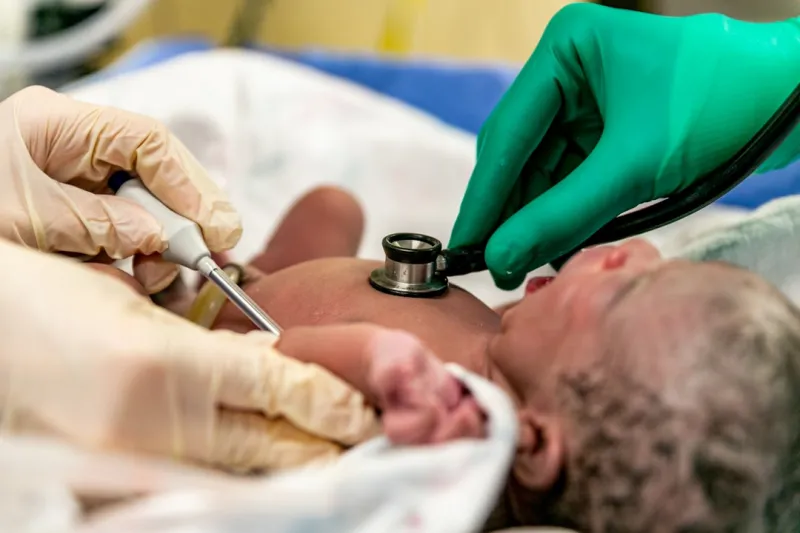
Navigating Infant Health: A Holistic Approach to Wellness
A holistic approach to infant health considers the physical, emotional, and environmental factors th... Read More
Top Posts
Microbiome Reset: A New Frontier in Body Detox
A gut‑focused approach to detox offers lasting results. Learn practical ways to diversify your microbiome, incorporate fermented foods, manage stress, and tra...Read More

Reframing Narcolepsy: From Workplace Challenge to Strategic Advantage
A deep dive into redesigning workspaces, policies, and culture to accommodate narcolepsy, turning its challenges into productivity gains and competitive advanta...Read More
When Pixels Meet Muscles: The Rise of Data‑Driven Tele‑Physiotherapy
A deep dive into how continuous sensor data, AI-driven personalization, and human‑centred design are transforming physiotherapy from in‑person visits to dyn...Read More
The Clockwork Kitchen: How Meal Timing Can Turn Back the Age Clock
Learn practical chrononutrition strategies—when to eat, what to eat, and lifestyle tweaks—to harmonize your internal clock, enhance metabolism, and promote ...Read More
0 Comments
Post Comment
You will need to Login or Register to comment on this post!