

Why Brain Health Needs More Than Supplements
When I first stepped into the world of executive coaching, I quickly realized that the most common advice I was handed was “take a multivitamin” or “add omega‑3s to your diet.” While those nutrients certainly play a role, they’re only the tip of the iceberg when it comes to nurturing a brain that can stay sharp, adaptable, and joyful for decades.
The Missing Piece: Environmental Enrichment
Think about the last time you felt truly “in the zone.” Most of us associate that feeling with a project at work, a hobby, or a workout routine. What’s often overlooked is the environment in which that flow occurs. Our brains evolved in forests, beside rivers, and under open skies. Modern office cubicles and endless Zoom calls are a far cry from those settings, and that mismatch can subtly erode neural plasticity.
Research from environmental psychology shows that exposure to natural light, varied textures, and even the scent of pine can trigger the release of brain‑derived neurotrophic factor (BDNF), a protein that fuels the growth of new neural connections. The simple act of walking outside during a lunch break isn’t a “break” in the traditional sense—it’s a strategic stimulus that rewires the brain for better focus, memory, and emotional regulation.
Playful Learning: Turning Curiosity into Neural Gold
Play isn’t just for kids. In fact, the most innovative teams I’ve worked with schedule “play labs” where members experiment with unfamiliar tools—think LEGO® Serious Play, improv exercises, or even beginner‑level coding challenges. When you engage in activities that are novel, slightly challenging, and intrinsically rewarding, you activate the brain’s dopaminergic pathways, which are crucial for motivation and learning.
Here’s a practical way to embed play into a busy schedule:
- Micro‑curiosity sessions: Set a timer for 10 minutes and explore a topic you know nothing about—whether it’s the history of jazz, the mechanics of blockchain, or a new language.
- Physical play: Simple coordination drills—like juggling a ball or mastering a short dance routine—boost the cerebellum’s role in fine‑motor control and executive function.
- Collaborative puzzles: Weekly team challenges (escape rooms, mystery boxes, or even crosswords) foster social bonding while demanding multi‑step problem solving.
These playful moments act as “cognitive weight‑lifting,” strengthening synaptic connections in a way that static, repetitive tasks simply cannot.
Nutrition That Feeds the Mind, Not Just the Body
Most diet advice focuses on macros and calories. For brain health, however, the quality of those calories matters more than the quantity. Foods rich in polyphenols, flavonoids, and antioxidants—like berries, dark chocolate, and leafy greens—directly protect neurons from oxidative stress and inflammation.
But there’s a second, often ignored, tier of nutrition: nutrition for mental stamina. This includes timing meals to support circadian rhythms, balancing glucose spikes with protein, and incorporating “brain‑boosting” fats (e.g., DHA from algae). A practical daily plan might look like:
- Morning: A smoothie with spinach, blueberries, chia seeds, and a scoop of algae‑derived omega‑3.
- Mid‑morning snack: A handful of walnuts and dark chocolate (70%+ cocoa).
- Lunch: Wild‑caught salmon over quinoa, roasted beets, and a drizzle of extra‑virgin olive oil.
- Afternoon fuel: Green tea paired with a small apple and a slice of cheese.
- Dinner: Stir‑fried broccoli, shiitake mushrooms, and tempeh, served with fermented kimchi for gut‑brain synergy.
When you pair these nutrient‑dense foods with regular, mindful eating windows, you give the brain a steady supply of glucose—the preferred fuel—while avoiding the peaks and troughs that lead to brain fog.
Light, Lymphatics, and the Brain’s Hidden Clean‑Up Crew
We often think of detox as a buzzword for the liver or skin, but the brain has its own waste‑removal system called the glymphatic pathway. This network clears metabolic by‑products that accumulate during wakefulness, and it works most efficiently during deep, uninterrupted sleep. However, exposure to natural light during the day and limiting blue‑light exposure at night can dramatically improve glymphatic flow.
To tap into this natural cleaning mechanism, consider integrating light‑enhanced detox pathways into your routine:
- Morning sunlight: Spend at least 15 minutes in direct sunlight within the first hour after waking. This synchronizes your circadian clock and primes the glymphatic system.
- Mid‑day breaks: Step outside for a brief walk, or sit near a window with a view of greenery. Even brief exposure helps regulate melatonin production later on.
- Evening dimming: Switch to amber‑tinted lights after sunset and avoid screens for at least an hour before bed to allow the brain’s cleaning cycle to kick in.
When you align light exposure with the body’s natural rhythms, you give the brain the optimal environment to clear toxins, which translates into sharper cognition and reduced risk of neurodegenerative conditions.
Micro‑Break Strategies for Neural Health
While I’m a big fan of deep work, I also recognize that the brain’s attentional networks need periodic resets. A recent internal piece highlighted the power of short, intentional pauses to micro‑break strategies for neural health. Here’s how to apply that insight without sacrificing productivity:
- The 52‑17 rule: Work for 52 minutes, then take a 17‑minute break. During the break, engage in a non‑screen activity—stretch, hydrate, or stare out a window.
- Breathing resets: A quick 4‑7‑8 breathing cycle (inhale for 4 seconds, hold for 7, exhale for 8) can lower cortisol, which otherwise hampers memory formation.
- Movement bursts: Stand up, roll your shoulders, and do a few calf raises. Even light movement increases blood flow to the prefrontal cortex, boosting decision‑making capacity.
These micro‑breaks act like “brain massages,” gently loosening mental knots that form during prolonged focus sessions.
Social Connection as a Cognitive Super‑Fuel
It’s easy to underestimate the cognitive impact of genuine human interaction. Studies consistently show that socially active adults have a slower rate of cognitive decline compared to isolated peers. The underlying mechanism is twofold: conversation stimulates language centers and empathy circuits, while shared experiences release oxytocin, a hormone that supports neurogenesis in the hippocampus.
Practical ways to weave more meaningful connection into a packed schedule:
- Walking meetings: Replace a conference room sit‑down with a 20‑minute stroll. The change of scenery plus conversation doubles idea generation.
- Peer learning circles: Form a monthly group where each member presents a short “brain hack” they’ve tried—whether it’s a new meditation technique or a favorite brain‑food recipe.
- Digital detox socials: Schedule a tech‑free dinner with friends or family once a week. The lack of screens forces deeper listening and stronger relational bonds.
When you nurture these social pathways, you’re not just feeling better—you’re actively fortifying the brain’s resilience against stress and age‑related decline.
Putting It All Together: A Weekly Brain‑Boost Blueprint
Below is a sample week that integrates nature, play, nutrition, light, micro‑breaks, and connection. Feel free to adjust the timings to fit your own rhythm.
| Day | Morning | Midday | Afternoon | Evening |
|---|---|---|---|---|
| Monday | Sunrise walk (15 min) + brain‑food smoothie | Micro‑break 17 min (stretch & deep breathing) | Playful learning: 10‑min curiosity video | Dinner with family, no screens |
| Tuesday | Focused work (52 min) → 17‑min walk outside | Lunch with a colleague, discuss a non‑work topic | Physical play: 5‑minute juggling | Evening amber lighting, light reading |
| Wednesday | Morning sunlight + omega‑3 breakfast | Team walking meeting (20 min) | Micro‑break: 4‑7‑8 breathing | Social dinner, share a brain‑food recipe |
| Thursday | Deep work block (90 min) → 17‑min stretch | Outdoor lunch on a balcony | Collaborative puzzle with a teammate | Evening meditation + low‑blue light |
| Friday | Nature immersion: park jog (20 min) | Micro‑break: quick walk & hydration | Peer learning circle (30 min) | Movie night with friends, no phones |
| Saturday | Extended nature hike (45 min) | Cook a brain‑boosting meal together | Free play: music jam or art | Early bedtime, amber lights |
| Sunday | Restorative yoga + mindful breathing | Plan week’s curiosity topics | Light reading on neuroplasticity | Reflective journaling & gratitude |
This blueprint isn’t a rigid schedule; it’s a framework that reminds you to hit all the essential “brain health” levers throughout the week.
Measuring Progress Without Obsessing Over Numbers
One of the biggest pitfalls in any self‑optimisation journey is falling into the trap of endless data collection. While wearables can track heart rate variability or sleep stages, the most reliable indicator of cognitive health is how you feel and perform day‑to‑day. Ask yourself:
- Do I recall conversations more easily?
- Is my problem‑solving speed improving?
- Am I less reactive to stress?
- Do I enjoy learning new things without mental fatigue?
If the answers are “yes” more often than “no,” you’re on the right track. Periodic self‑assessments—like a simple 5‑minute mental agility quiz or a short journaling prompt—can provide enough feedback to fine‑tune the routine without overwhelming you.
Conclusion: Brain Health Is a Lifestyle, Not a Supplement
Our brains are dynamic ecosystems that respond to the world around us. By deliberately designing an environment that blends natural light, playful curiosity, nutrient‑dense foods, strategic micro‑breaks, and deep social connection, you create a powerful feedback loop that sustains cognitive vigor.
Remember, you don’t need a costly nootropic regimen or a high‑tech brain‑training device to thrive. You need consistency, intention, and a willingness to treat every day as an opportunity to nourish the most complex organ you own. Start small, stay curious, and watch your mental landscape transform.

Related Posts
Neuro‑Fitness: Building Brain Strength with Adaptive Learning Loops
Adopt a fitness mindset for your brain: discover micro‑learning sprints, adaptive difficulty, move... Read More

How Movement Shapes Your Mind: The Science of Embodied Brain Health
Discover the science behind embodied cognition and learn practical, low‑effort movement habits tha... Read More

Curiosity, Learning, and Connection: A Fresh Blueprint for Brain Vitality
Explore a new brain‑health strategy that combines daily curiosity, lifelong learning, social inter... Read More
Top Posts
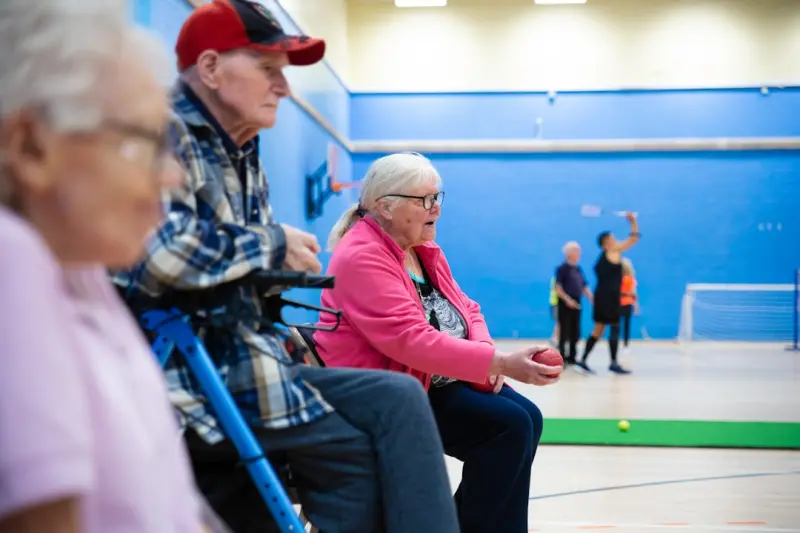
Reimagining Healthy Aging Through Community, Flavor, and Story
Explore a new aging roadmap: weekly flavor circles, intergenerational mentorship, and story walks that blend nutrition, connection, and curiosity for lasting vi...Read More

Digital Detox Rituals: Reclaiming Sleep in the Age of Hyper‑Connectivity
A step‑by‑step digital detox ritual combines light management, ambient soundscapes, mindful nutrition, and habit formation to reset your brain’s alarm sys...Read More

Prediabetes Pivot: Turning a Warning Sign into a Lifestyle Win
A fresh take on prediabetes frames it as a metabolic checkpoint, offering a step‑by‑step guide that blends micro‑momentum, nutrient timing, and environmen...Read More
Unlocking Cognitive Resilience: A Fresh Playbook for Modern Professionals
Learn how to transform stress into a growth signal with three practical pillars—environmental micro‑breaks, purpose‑driven micro‑goals, and play‑infus...Read More
0 Comments
Post Comment
You will need to Login or Register to comment on this post!