
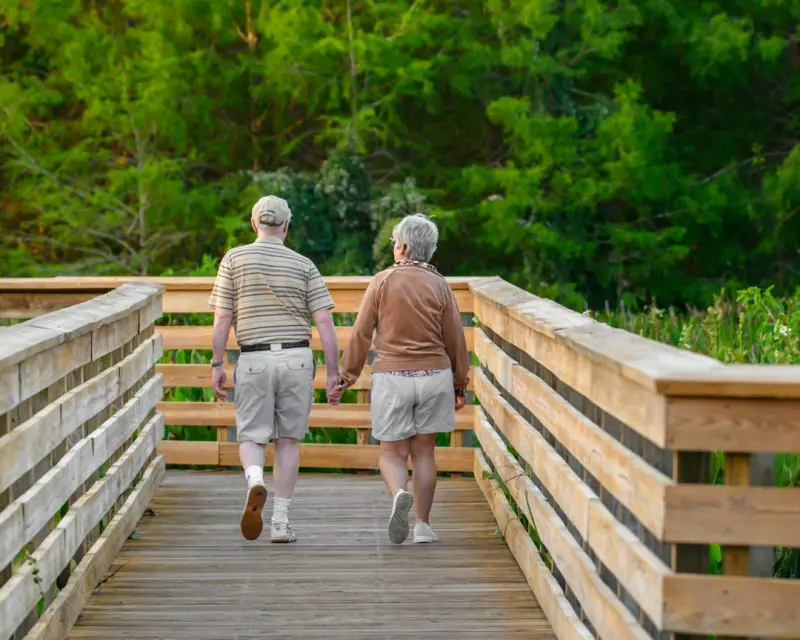
The Quiet Revolution: Smart Wearables Transforming Senior Independence
When I first walked into my grandmother’s living room with a sleek, wrist‑bound sensor, I expected a polite smile and a quick “thank you.” What I got instead was a spark of curiosity that turned into a week‑long experiment—one that revealed how tiny, data‑driven insights can empower seniors to reclaim autonomy, stay active, and stay socially connected.
Why Traditional Aids Aren’t Enough Anymore
For decades, the conversation around senior health has revolved around sturdy walking sticks, grab bars, and medication schedules. Those tools are essential, but they’re also static. They don’t adapt to the daily fluctuations in balance, heart rate, or even mood. The result? Seniors often feel like they’re living with a set of constraints rather than a suite of options.
Enter smart wearables. These devices—think lightweight wristbands, discreet clip‑ons, and even smart shoes—collect a stream of physiological data in real time. They can detect a sudden loss of balance, monitor heart rhythm anomalies, and even gauge hydration levels. When paired with intelligent software, they translate raw data into actionable prompts: a gentle vibration reminding the wearer to stand up, a soft chime suggesting a breathing exercise, or a notification that a friend is available for a video chat.
From Data to Decision: How Real‑Time Feedback Changes Behaviour
In my experiment, my grandmother wore a modest, waterproof band that measured steps, gait stability, and skin temperature. After just three days, the device flagged a subtle shift in her gait symmetry—a potential early warning sign of an impending stumble. The accompanying app sent a discreet alert to her phone, which I, as her primary contact, received instantly.
Instead of waiting for a fall to happen, we scheduled a short, guided balance routine. The routine was simple: standing on one foot for ten seconds, then switching. Over a week, her gait symmetry improved, and the device’s confidence score rose. This feedback loop—measure, act, reassess—is the core of what makes smart wearables a game‑changer for seniors.
Social Connectivity: Turning Loneliness into Digital Companionship
Loneliness is a silent health crisis among older adults. The World Health Organization notes that social isolation can increase the risk of chronic conditions by up to 30 %. Wearables can help combat this by integrating with communication platforms. A gentle tap on the wrist can launch a voice‑to‑text message, a video call, or a reminder to join a community group.
One feature I particularly love is “shared activity tracking. When two seniors decide to walk the same route, their devices sync and display a combined progress bar. This fosters a sense of partnership, encouraging them to stay active together—even if they’re miles apart.
Safety Nets Without the Stigma
Traditional emergency response systems often rely on a “panic button” that seniors must press consciously. Wearables, however, can detect falls autonomously. Using accelerometer data and machine‑learning algorithms, the device distinguishes a genuine tumble from a simple sitting‑down motion. When a fall is confirmed, an automatic call is placed to pre‑selected contacts, and the user’s location is transmitted to emergency services.
This proactive approach reduces the anxiety associated with “being a burden.” Seniors can enjoy activities—gardening, dancing, or a brisk walk—knowing that help is already en route if needed.
Integrating Movement: Tiny Workouts for Big Gains
One of the most common misconceptions about senior fitness is that it requires intense, gym‑based routines. In reality, tiny workouts can be woven seamlessly into daily life. A wearable can remind the wearer to perform a set of gentle ankle circles while waiting for the kettle to boil, or a short shoulder roll during a commercial break.
These micro‑movements not only improve circulation but also reinforce neuromuscular pathways that are crucial for balance. Over time, they become second nature, forming a protective layer against falls.
The Role of Rhythm: Music‑Driven Movement for Cognitive Health
Beyond the physical, there’s a growing body of evidence linking rhythmic auditory cues to improved gait and cognitive function. When a beat is introduced, the brain’s motor cortex synchronises, creating smoother, more confident steps. This concept is elegantly explored in music‑driven movement, which shows how a simple playlist can transform a mundane walk into a revitalising experience.
Wearables can integrate playlists that adapt to the wearer’s heart rate, ensuring the tempo matches their current exertion level. The result is a harmonious blend of cardio, balance, and joy—essential ingredients for a thriving senior lifestyle.
Addressing Sleep Challenges Without Medication
Sleep disturbances affect a significant portion of older adults, often leading to reliance on sedatives. While medication can be helpful, it carries risks of dependence and daytime grogginess. Wearables equipped with sleep‑tracking sensors can identify patterns—such as fragmented REM cycles or prolonged light sleep—and suggest non‑pharmacological interventions.
For example, a gentle sunrise alarm can gently coax the wearer out of deep sleep, while a calming, low‑frequency sound can ease the transition into slumber. The holistic approach to sleep apnea illustrates how breathwork and positional adjustments, guided by data, can improve breathing during the night without a CPAP machine.
Data Privacy: A Senior’s Right to Control Their Information
While the benefits of wearables are compelling, privacy concerns loom large, especially for a generation that grew up before the digital age. It’s crucial that any device adheres to strict data‑encryption standards and offers transparent consent mechanisms. Seniors should be able to decide who sees their health metrics—family, caregivers, or healthcare providers—and revoke access at any time.
Many manufacturers now provide “privacy dashboards,” where users can toggle data sharing, delete histories, and review security updates. As advocates for senior health, we must champion these features and educate older adults on their rights.
Practical Steps to Get Started
- Assess Needs: Identify the primary health concerns—balance, heart health, social connection—and select a device that targets those areas.
- Start Simple: Choose a wearable with a user‑friendly interface. A single button and clear visual cues are often best for seniors.
- Integrate Gradually: Introduce one feature at a time—step tracking first, then fall detection, followed by social prompts.
- Involve Family: Set up shared accounts so loved ones can receive alerts and celebrate milestones together.
- Monitor and Adjust: Review data weekly, celebrate improvements, and tweak activity reminders as needed.
The Future: A Community of Connected Seniors
Imagine a neighborhood where every senior’s wearable silently communicates with a central hub—alerting community volunteers when someone needs assistance, coordinating group walks, and even suggesting local events based on shared interests. This isn’t a distant sci‑fi scenario; it’s the logical next step in building age‑friendly cities.
When technology respects autonomy and privacy, it becomes a partner rather than a overseer. Seniors can continue to lead fulfilling, active lives while enjoying the safety net that smart wearables provide.
Final Thoughts: Empowerment Over Dependency
My grandmother’s transformation over the past month has been subtle yet profound. She no longer hesitates to step onto the porch when the weather calls for a stroll. She greets her neighbors via video chat, confident that a gentle tap on her wrist can bridge the distance. Most importantly, she feels heard by her body—thanks to the continuous, compassionate feedback that a wearable offers.
For seniors everywhere, the message is clear: you don’t have to choose between independence and safety. With the right technology, you can have both. And as we continue to refine these tools, the horizon looks brighter than ever for an aging population that refuses to be defined by limitation.

Lifan Chen is a freelancer based in Toronto specializing in marketing. With expertise in crafting effective marketing strategies and campaigns, Lifan helps businesses grow their brand presence and reach target audiences. As a Toronto-based freelancer, Lifan combines local market insights with creative marketing skills to deliver tailored solutions for clients.
Related Posts

Embracing Vibrant Health After 60: A Personal Journey
A senior’s guide to thriving after 60, blending movement, nutrition, sleep, and mindfulness into a... Read More
The Unexpected Wellness Power of Digital Storytelling for Seniors
Digital storytelling blends memory recall, gentle motor activity, and social interaction, offering s... Read More

The Intersection of Aging and Chronic Health Conditions: A Holistic Approach to Senior Health
A holistic approach to senior health involves addressing physical, emotional, and social needs to ma... Read More
Top Posts
When Nightmares Knock: Turning Sleep Terrors Into Insightful Allies
A fresh, compassionate approach to sleep terrors that blends somatic resets, micro‑mental declutter, and data‑informed awareness, turning nightly fear into ...Read More
When Nightmares Take the Stage: Navigating Sleep Terrors in Modern Life
Sleep terrors can hijack restful nights, but with a blend of science, cultural insight, and actionable habits, you can transform these episodes from frightening...Read More
Reimagining the Home Office: A Physiotherapist’s Playbook for Movement‑Rich Workdays
Learn how to integrate physiotherapy‑backed micro‑bites, dynamic stretches, ergonomic tweaks, and tech‑driven cues into your remote workday, reducing pain...Read More

Chrononutrition: Eating with Your Body Clock to Extend Vitality
Chrononutrition explores the power of meal timing aligned with our internal body clock. By front‑loading calories, integrating fasting, and using wearable dat...Read More
0 Comments
Post Comment
You will need to Login or Register to comment on this post!