

Why Healthy Aging Starts with a Personal Blueprint
When I first turned fifty, I realized that the “one‑size‑fits‑all” advice littered across wellness magazines simply didn’t resonate with my own rhythms. I began treating my body as a living, evolving system, one that deserved a tailored plan rather than a generic checklist. This mindset shift sparked a deep curiosity: what if the secret to thriving later years lies in the same holistic principles I use for my clients today? By integrating nutrition, movement, sleep, and purpose into a single, coherent framework, I found a sustainable path that feels less like a regimen and more like a partnership with my own biology. In this post, I’ll walk you through the pillars of my personal “Healthy Aging Blueprint,” peppered with practical tips you can adopt right now, and I’ll point you toward a few proven resources that have helped shape my approach.
The Power of Mindset and Intentional Living
Before any supplement or workout plan, I ask myself: what story am I telling my brain about growing older? Research shows that a positive, growth‑oriented mindset can actually influence cellular health, reducing inflammation and boosting resilience. I’ve learned to reframe age‑related changes as opportunities for new skill acquisition rather than inevitable decline. This mental pivot fuels the discipline needed to stick with daily habits, even on days when motivation wanes. By setting clear, purpose‑driven intentions each morning—whether it’s “move my joints with grace” or “nourish my liver with clean foods”—I create a psychological anchor that guides my choices throughout the day. It’s a subtle, yet powerful habit that transforms the abstract concept of “aging well” into a concrete, day‑by‑day practice.
Fueling the Body: Nutrition That Honors Your Years
Nutrition is the foundation upon which every other pillar rests, and as we age, our digestive efficiency and nutrient needs evolve. I prioritize whole, minimally processed foods rich in antioxidants, healthy fats, and plant‑based proteins, because they support cellular repair and mitigate oxidative stress. One area I pay special attention to is liver health; a well‑functioning liver detoxifies more effectively, regulates hormones, and even influences mood. For a deeper dive into liver‑centric nutrition, check out Craig Brett’s Holistic Blueprint for a Healthy Liver in 2024. Incorporating foods like beetroot, cruciferous vegetables, and turmeric, paired with intermittent fasting windows, has helped me maintain steady energy levels and clearer skin—signs my liver is humming along nicely. Remember, it’s not about drastic restrictions but about consistent, nutrient‑dense choices that honor the wisdom of your body.
Gut Health: The Microbiome’s Role in Longevity
Our gut is often called the “second brain,” and its influence on immunity, mood, and even metabolic rate only grows with age. I’ve adopted a gut‑friendly regimen that includes fermented foods, prebiotic fibers, and occasional targeted probiotics to nurture a diverse microbiome. When the gut flora is balanced, inflammation drops, and the body better absorbs essential vitamins like B12 and D—critical for bone health and cognitive clarity. For a step‑by‑step guide on cultivating a thriving microbiome, I recommend Tom Ferguson’s Gut Health Blueprint. Simple practices such as chewing food thoroughly, limiting refined sugars, and rotating the types of plant fibers you consume can make a world of difference. I’ve noticed fewer digestive hiccups, steadier blood sugar, and a brighter mood since committing to these gut‑centric habits.
Movement That Moves You—Not Just Your Muscles
Exercise isn’t just a calorie‑burning tool; it’s a catalyst for neuroplasticity, joint lubrication, and hormonal balance. I favor functional movement patterns—think squats, gentle lunges, and tai‑chi flows—that mimic everyday activities and improve balance, flexibility, and core stability. Strength training, performed two to three times a week, preserves muscle mass, which naturally declines after 40, and supports metabolic health. I also incorporate low‑impact cardio like brisk walking or cycling to keep the heart robust without over‑loading joints. The key is consistency over intensity; a 20‑minute walk after dinner can be more beneficial than a sporadic high‑intensity session. Pairing movement with mindful breathing further reduces cortisol, helping the body recover faster and sleep more soundly.
Restorative Sleep: Recharging the Body’s Repair Engine
Sleep is the ultimate recovery period, and its quality directly impacts hormone regulation, memory consolidation, and immune function. Over the years, I’ve experimented with sleep hygiene strategies—from limiting blue‑light exposure an hour before bed to establishing a calming pre‑sleep ritual that includes light stretching and a gratitude journal. If nighttime restlessness becomes a recurring issue, I’ve found that a holistic approach, like the one outlined in Insomnia Unplugged: My Holistic Blueprint for Restful Nights, can be transformative. Techniques such as progressive muscle relaxation, aromatherapy with lavender, and maintaining a cool bedroom temperature (around 65°F) have helped me consistently achieve 7–8 hours of deep, restorative sleep. Prioritizing sleep isn’t a luxury; it’s a non‑negotiable pillar that fuels every other aspect of healthy aging.
Social Connection and Mental Agility
Human beings are wired for connection, and social engagement becomes even more vital as we age. Regular interaction with friends, family, or community groups stimulates cognitive pathways, reduces the risk of depression, and even supports cardiovascular health. I schedule weekly coffee catch‑ups, join a local book club, and volunteer at a community garden—activities that keep my mind sharp and my heart full. Cognitive challenges like learning a new language, playing a musical instrument, or tackling puzzles also reinforce neuroplasticity. These mental workouts, combined with meaningful relationships, create a buffer against age‑related cognitive decline and foster a sense of purpose that fuels daily motivation.
Purpose, Lifelong Learning, and the Joy of Curiosity
Perhaps the most overlooked component of thriving later in life is a clear sense of purpose. I’ve found that setting small, achievable goals—whether mastering a new cooking technique or mentoring younger colleagues—injects enthusiasm into each day. Lifelong learning doesn’t have to be formal; it can be as simple as reading a chapter of a new book each night or exploring a hobby that sparks curiosity. This continuous growth mindset not only sharpens the brain but also releases dopamine, the “feel‑good” neurotransmitter that combats the inertia often associated with aging. By aligning daily actions with a deeper mission, you create an internal compass that guides healthier choices across nutrition, movement, and rest.
Putting It All Together: Your Personalized Aging Blueprint
Building a sustainable healthy aging plan is less about ticking off a checklist and more about weaving together the threads of nutrition, movement, sleep, social connection, and purpose into a cohesive tapestry. Start small: choose one nutritional tweak, add a short walk, and set a nightly wind‑down routine. Track your progress, celebrate micro‑wins, and adjust as your body signals new needs. Remember, the journey is uniquely yours, and the best blueprint is the one you continuously refine. If you’re ready to dive deeper, explore the resources linked throughout this article, and feel free to share your own strategies in the comments—let’s grow older together, stronger and wiser.

Related Posts
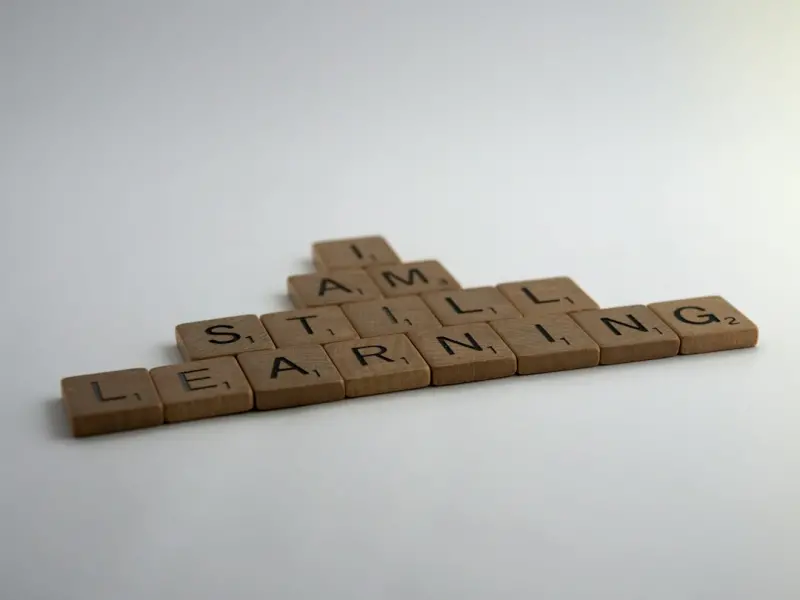
Learning to Age: Why Lifelong Skill‑Building Is the Secret Weapon for Healthy Longevity
Lifelong learning fuels neuroplasticity, strengthens physical coordination, and deepens social conne... Read More

Nature‑Driven Strategies for Vibrant Healthy Aging
Explore science‑backed nature practices—from forest bathing to community gardening—that suppor... Read More

Touch, Talk, and Thrive: How Human Connection Fuels Healthy Aging
This article explores the science behind social connection as a powerful anti‑aging tool, offering... Read More
Top Posts

How Mindful Stress Management Can Flip the Prediabetes Switch
Learn how mindful stress reduction, strategic meal timing, movement, and community support can reverse prediabetes, offering a holistic path beyond diets and pi...Read More

Sonic Sanctuary: Crafting Audio Habits for Mental Clarity
Explore how intentional sound design—from focus‑boosting ambient noise to evening wind‑down melodies—creates a personal sonic sanctuary that enhances me...Read More

Listening to the Whisper: A Holistic Pregnancy Journey
A heartfelt, holistic guide to pregnancy that blends mindful nutrition, gentle movement, detox strategies, and emotional resilience for thriving mothers and bab...Read More

How AI‑Powered Wearables Are Quietly Transforming Sleep Apnea Management
An in‑depth look at how AI‑enhanced wearables, combined with optimized sleep environments and holistic detox strategies, are shifting sleep apnea care from ...Read More
0 Comments
Post Comment
You will need to Login or Register to comment on this post!