

The Wake‑Up Call
When I first saw the 2026 CDC report flashing bright red numbers about vaping‑related lung injuries, my stomach dropped like a stone in a glass of water, and I realized the trend I’d been cheering on in night‑out lounges had slipped into a public‑health crisis that could not be ignored; the data showed a 37 % jump in emergency visits compared to 2025, and the headlines were screaming that flavor‑filled cartridges were no longer a harmless pastime. I spent the next weekend scrolling through forums, reading personal testimonies, and watching my own breath fog in the mirror after a quick vape session, and the fog felt less like a cool trick and more like a warning sign smearing over my lungs. That moment of clarity forced me to step back, question the marketing hype, and ask the hard question: am I contributing to a wave of addiction that could outlast my own health journey?
Data That Can’t Be Ignored
The statistics are sobering: in the first quarter of 2026, over 1.2 million new users aged 15‑30 reported daily vaping, while hospitals logged a record‑high of 18,000 cases of E‑cigarette or vaping product use‑associated lung injury (EVALI); these figures are not abstract numbers but represent real people, families, and futures hanging in the balance. Researchers have linked certain vitamin‑E acetate additives to inflammation that mimics severe pneumonia, and the long‑term impact on cardiovascular health is still being charted, leaving us with a cloud of uncertainty that feels eerily similar to the early days of cigarette smoking. I found myself comparing the rise of flavored pods to the old tobacco ad campaigns, noticing how the sleek designs and social‑media influencers act as the modern equivalent of billboard glamour, yet the underlying chemistry remains a potent toxin that our bodies were never designed to process.
Beyond the Hype: Health Realities
My own experience became a living lab as I tracked cravings, mood swings, and subtle changes in my stamina, noting that each puff seemed to tighten a invisible band around my chest, while the sweet aftertaste left a lingering metallic bite that I could taste in my coffee for hours; the psychological pull of the nicotine hit was undeniable, but the physical cost began to outweigh the fleeting pleasure. I consulted a pulmonologist who explained that while the lungs can recover from short‑term irritants, chronic exposure to propylene glycol and glycerin vapors can alter the mucosal lining, impairing the organ’s natural defense mechanisms and making it easier for pathogens to settle in, a fact that hit me hard during flu season. Understanding these mechanisms shifted my perspective from viewing vaping as a “harmless habit” to recognizing it as a stealthy aggressor that quietly erodes respiratory resilience and overall vitality.
What My Body Told Me
After a month of abstinence, I logged a simple but profound change: my morning runs felt lighter, my breath returned to a steady rhythm, and the fog that used to cling to my clothes after a quick drag vanished like a bad dream; the brain fog that used to linger after late‑night vaping sessions lifted, allowing my thoughts to snap back into focus, a benefit I later read about in a post about holistic strategies for a sharper mind. This personal data reinforced the scientific findings and reminded me that the body often whispers warnings long before the doctor’s office can confirm them, urging us to listen and act before the damage becomes irreversible. The clarity I gained wasn’t just physical—it sparked a deeper curiosity about how to replace the ritual of inhaling with something that truly nourishes body and soul.
Holistic Alternatives to Nicotine
Instead of reaching for a sleek device, I turned to practices that honor the breath without the chemicals, experimenting with mindful breathing techniques, herbal teas, and adaptogenic blends that calm the nervous system; the first time I tried a 4‑7‑8 breath pattern during a stressful meeting, I felt an immediate release of tension that previously required a covert vape. I also explored natural aromatherapy, diffusing lavender and eucalyptus to create a calming atmosphere that mimics the sensory satisfaction of flavored vapor without the harmful payload, and I found that the ritual of preparing the diffuser became a grounding habit I could share with friends. For those seeking a structured path, I recommend reading Finding Freedom from Vaping in 2026, which outlines a step‑by‑step blueprint that integrates nutrition, movement, and community accountability into a cohesive plan for breaking free from nicotine’s grip.
Plant‑Based Rituals and Breathwork
Incorporating herbal blends like chamomile, mint, and lemongrass into hot water created a soothing ritual that satisfies the oral fixation many vapers experience, while the antioxidants in these plants support liver detox pathways that are often taxed by the chemicals in e‑liquids; I discovered that a simple habit of sipping a calming tea while practicing a brief meditation session replaced the urge to vape within minutes. I also added a nightly 10‑minute yoga flow focused on diaphragmatic breathing, which not only improved my lung capacity but also trained my mind to associate deep breaths with relaxation rather than nicotine cravings. These holistic swaps have proven to be more than just distractions—they are active, health‑promoting practices that align with the broader goal of whole‑self wellness.
Community Support and Shared Stories
The journey away from vaping is rarely a solo expedition; I found strength in online forums where members share triumphs and setbacks, and in local meet‑ups that celebrate smoke‑free living through group hikes, cooking classes, and creative workshops; these connections create an accountability net that keeps the temptation at bay and replaces the social glue of vape‑culture with genuine human interaction. A standout resource that resonated with me was Whole‑Self Wellness: My 2026 Blueprint for Vibrant Health, which emphasizes the power of community rituals, shared meals, and collective goal‑setting as pillars for sustained change. When we celebrate each other’s milestones—whether it’s a week without a puff or a new meditation habit—we collectively rewrite the narrative around what feels “cool” or “trendy,” shifting the cultural momentum toward health‑centric experiences.
Future‑Proofing Your Choices
Looking ahead, I am committed to a lifestyle that anticipates emerging risks and adapts proactively; this means staying informed about new vaping technologies, scrutinizing ingredient lists, and supporting policies that limit youth access to flavored cartridges, while also cultivating personal habits that make nicotine unnecessary. I’ve integrated the principles from The 2026 Body Detox Reset into my routine—regular liver‑supporting smoothies, periodic digital detoxes, and scheduled check‑ins with a holistic health coach—ensuring that my body remains resilient against any future exposure to toxins. By aligning my daily choices with a forward‑thinking wellness framework, I aim to set a precedent for my peers, showing that we can enjoy the social buzz of life without compromising our lungs, brains, or long‑term vitality.
Take the First Step
If you’re reading this and feel the tug of curiosity, the best gift you can give yourself right now is a moment of honest reflection: ask why you vape, what you hope to gain, and what you might be sacrificing in the process; write those answers down, share them with a trusted friend, and set a concrete, achievable goal—whether it’s swapping one vape a day for a ten‑minute walk or swapping flavored pods for a fruit‑infused herbal tea. Remember that the path to whole‑self wellness isn’t a sprint but a marathon, and each small victory builds the momentum needed for lasting change; the breath you take today can become a symbol of freedom, clarity, and intentional living that echoes far beyond 2026. Let’s rewrite the story together, one mindful inhale at a time.

Nikki McDonald is a freelancer based in Waterloo. She brings her skills and expertise to various projects, balancing her professional work with a personal life that includes her husband, Stewart.
Related Posts

The Green Side of Vaping: How to Make Your Cloud Habit Eco‑Friendly
Discover how to transform your vaping routine into a sustainable practice—choose refillable device... Read More

Vape Lounges as Modern Commons: Rethinking Social Interaction in a Cloudy World
Vape lounges are transforming from solitary nicotine spots into vibrant community hubs, where design... Read More

Vaping at Work: Turning a Trend into a Strategic Advantage
A deep dive into how vaping can become a performance metric, a networking tool, and a health risk—... Read More
Top Posts
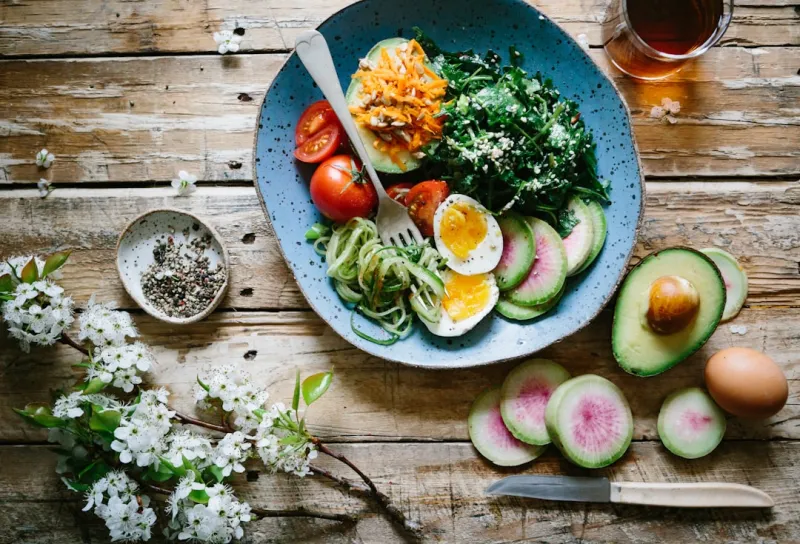
Nikki McDonald’s Holistic Nutrition Blueprint: From Gut Health to Seasonal Eating
Nikki McDonald shares a holistic nutrition roadmap that ties gut health, macro balance, and seasonal foods into a vibrant, sustainable wellness lifestyle.---...Read More
Quiet Levers: Subtle Shifts for a Longer, Fuller Life
Explore how subtle daily choices—like mindful breathing, ambient sound, purposeful work, and smart benefit use—can quietly boost your lifespan and overall w...Read More

Lymphatic Flow Hacks: Everyday Ways to Supercharge Your Body’s Natural Detox
Learn how to enhance your body’s natural detox by stimulating the lymphatic system with easy daily movements, breathwork, hydration tricks, and self‑massage...Read More

Cultivating Connection and Purpose: A Fresh Blueprint for Healthy Aging
A deep dive into how nurturing relationships, finding daily purpose, staying curious, and moving joyfully can empower a thriving, healthy aging experience....Read More
0 Comments
Post Comment
You will need to Login or Register to comment on this post!