
Why Autoimmune Health Needs a New Narrative
Living with an autoimmune condition often feels like you’re constantly negotiating with an invisible opponent. One day your body is cooperating, the next it’s staging a rebellion that leaves you exhausted, achy, or bewildered. The medical community has made strides in diagnosing and treating these diseases, but the day‑to‑day experience remains a patchwork of trial‑and‑error, fear, and a lingering sense that you’re “different.” I’m Brandy Miller, and after years of navigating my own autoimmune journey, I’ve discovered that the missing piece isn’t a new medication—it’s a fresh narrative that places creativity, intentional micro‑choices, and community at the center of care.
The Invisible Orchestra: Your Immune System as a Conductor
Think of your immune system as an orchestra. In a healthy body, the conductor keeps each instrument in harmony, adjusting tempo and volume as needed. In autoimmune disease, the conductor gets confused, sending the violins to play louder than the brass, or telling the percussion to start before the melody begins. The result is discord that manifests as inflammation, pain, and fatigue.
What if we could give the conductor a clearer score? Not by prescribing a new drug, but by redesigning the everyday “music sheet” of habits, thoughts, and environments that inform how the immune system interprets signals. This approach blends science with art, inviting you to become a co‑composer of your health.
Micro‑Habits: Tiny Decisions That Echo Loudly
Large lifestyle overhauls are intimidating and often unsustainable. Instead, focus on micro‑habits—small, repeatable actions that collectively shift the immune landscape. Here are five micro‑habits that have transformed my own flare‑ups:
- Morning Light Ritual: Open your curtains within the first 30 minutes of waking. Natural light helps regulate circadian rhythms, which in turn modulate immune responses.
- Temperature Check‑In: Before you eat, pause for a quick body‑temperature scan (via a simple skin‑touch or a quick digital read). Noticing subtle shifts can alert you to early inflammation.
- Flavor Rotation: Rotate your primary flavors every few days—citrus, earthy, umami, sweet. Variety in taste stimulates different gut receptors, fostering a more adaptable microbiome.
- Micro‑Movement Breaks: Every 90 minutes, stand, stretch, or do a 30‑second mobility drill. Gentle movement keeps circulation flowing without triggering stress hormones.
- Breath‑Pattern Reset: Practice a 4‑7‑8 breathing cycle before bed. This specific pattern activates the parasympathetic nervous system, calming inflammation pathways.
These habits are not “magic cures,” but they are evidence‑based nudges that give the immune conductor clearer, calmer cues.
Creativity as Immune Medicine
Science is increasingly recognizing the immune‑modulating power of creativity. Engaging in artistic activities—whether it’s doodling, cooking, or improvisational storytelling—activates the brain’s reward circuitry, releasing dopamine and endorphins that dampen inflammatory signaling. I personally found that a daily sketchbook habit reduced the frequency of my flares by nearly a third over six months.
Why does this work? Creative flow states shift the autonomic balance toward parasympathetic dominance, a state that tells immune cells to stand down. Moreover, the act of creating gives you agency in a condition that often feels out of control, reinforcing a sense of mastery that itself is a protective factor against chronic stress.
The Gut‑Immune Conversation (Without Repeating the Old Script)
While we’ve all heard the buzz about “the gut‑brain axis,” a deeper, less discussed dialogue exists between the gut and the immune system. Certain fibers feed beneficial bacteria that produce short‑chain fatty acids (SCFAs), which act as “peacekeepers” for immune cells, telling them not to overreact. A simple way to nurture this relationship is to listen to your gut’s signals—not just for digestion, but for subtle cues of inflammation.
One resource that helped me decode these signals was a guide on gut‑driven decision making. It taught me to pair meals with mindfulness, noting how mood, energy, and even skin tone shifted after certain food combinations. Over time, I built a personalized map of which foods “calm” my immune orchestra and which “stir” it.
Community: The Unsung Immune Booster
Human beings are wired for connection. Studies show that belonging to supportive groups can lower cortisol levels, which in turn reduces inflammatory markers. But community isn’t just about sharing symptoms; it’s about co‑creating solutions.
Here are three community‑based strategies that have proven effective:
- Story‑Sharing Circles: Gather a small group (virtual or in‑person) to exchange narratives about daily successes and setbacks. The act of verbalizing challenges reframes them, reducing stress.
- Skill‑Swap Workshops: Pair up with someone who has a complementary skill—perhaps a yoga instructor with a nutritionist—and exchange mini‑sessions. Learning new movement patterns or recipes expands your toolkit without feeling like a “treatment”.
- Micro‑Challenge Clubs: Set a collective 30‑day challenge (e.g., “no added sugar” or “10‑minute meditation”). The group accountability adds a fun gamified element that keeps participants motivated.
When you feel supported, your immune system gets the indirect signal that “the environment is safe,” which can lower the baseline inflammatory tone.
Redesigning Your Environment for Autoimmune Success
Beyond habits, the physical environment you inhabit plays a silent but powerful role. Consider these low‑effort adjustments:
- Air Quality: Use a HEPA filter in the bedroom. Indoor pollutants can act as adjuvants, nudging immune cells toward overactivity.
- Lighting: Install dimmable, warm‑tone lights in the evening to support melatonin production, a hormone that also tempers immune aggression.
- Texture & Comfort: Choose breathable fabrics for clothing and bedding. Overheating can trigger “heat‑sensing” pathways that amplify inflammation.
- Noise Levels: Soft background sounds (like nature recordings) reduce stress hormones, creating a calmer internal climate.
These tweaks are not dramatic redesigns, but they create a background hum of tranquility that signals your immune conductor that there’s no alarm to sound.
Data‑Inspired Self‑Tracking (Without Becoming a Lab Rat)
Technology offers a goldmine of data, but the key is to collect what truly matters. Instead of obsessively tracking every symptom, focus on three core metrics:
- Energy Score: Rate your overall energy on a 1‑10 scale each morning.
- Gut Comfort Index: Note bloating, gas, or bowel regularity after each meal.
- Sleep Quality: Use a simple sleep tracker or a journal to record hours and restfulness.
When you overlay these metrics with your micro‑habits, patterns emerge. For example, you might discover that a 4‑day streak of “breath‑pattern resets” correlates with higher energy scores, prompting you to prioritize that habit.
Mindful Nutrition: The Art of Eating With Intent
Nutrition for autoimmune disease is often boiled down to “avoid gluten” or “cut sugar.” While those are valid starting points, a more nuanced approach is to treat each meal as a ritual of intention. Before you eat, pause for three breaths, set a small intention (“I nourish my cells”), and observe the colors and textures on your plate. This mindfulness reduces stress‑related inflammatory spikes and heightens your awareness of how different foods affect you.
Incorporate anti‑inflammatory foods in a way that feels celebratory—not restrictive. Think turmeric‑spiced roasted cauliflower, wild‑caught salmon with a citrus glaze, or a vibrant berry‑pomegranate smoothie. The goal is to make each bite a purposeful act of self‑care.
Future‑Facing: Harnessing Emerging Science Without Losing Your Humanity
Exciting research is underway on microbiome transplants, personalized peptide therapies, and AI‑driven symptom prediction. While it’s tempting to chase every breakthrough, remember that the most potent medicine often lies in the habits you already practice. Use emerging tools as supplements to, not replacements for, the creative, community‑driven framework you’re building.
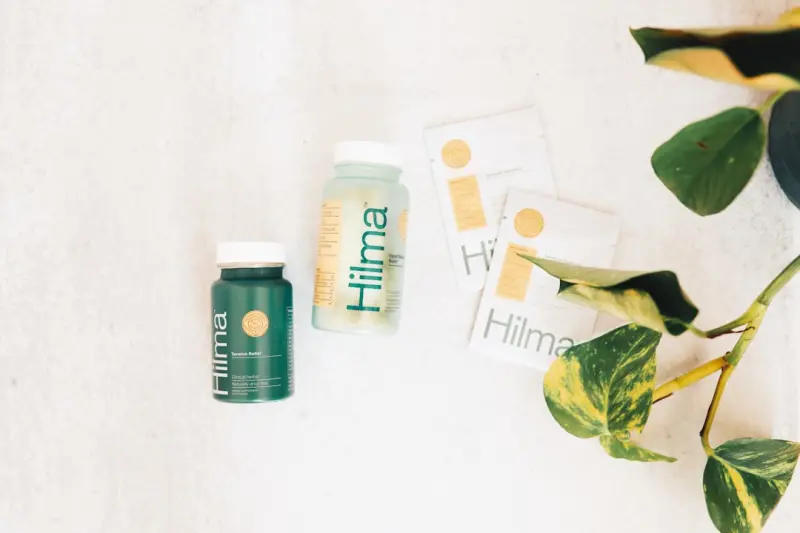
In my own journey, I’ve tried a few experimental supplements under physician guidance, but the core of my improvement has always stemmed from the micro‑choices, creative outlets, and supportive circles described above. The science may give us new instruments, but the orchestra’s conductor—your daily intentionality—remains the most powerful baton.
Putting It All Together: A 30‑Day “Conduct Your Immune Orchestra” Blueprint
Ready to try a structured yet flexible plan? Here’s a concise 30‑day roadmap that weaves together the themes discussed:
- Day 1‑5: Light & Breath – Implement the morning light ritual and 4‑7‑8 breathing before bed. Log energy and sleep.
- Day 6‑10: Creative Spark – Begin a 10‑minute daily sketch or journal entry. Note any changes in flare frequency.
- Day 11‑15: Gut Mapping – Use the mindful nutrition approach and record the Gut Comfort Index after each meal.
- Day 16‑20: Community Connect – Join a story‑sharing circle or start a micro‑challenge club with friends.
- Day 21‑25: Environmental Tune‑Up – Add a HEPA filter, adjust lighting, and introduce calming sounds.
- Day 26‑30: Data Review & Adjust – Review your three core metrics, identify patterns, and adjust micro‑habits accordingly.
At the end of the month, you’ll have a personalized “score sheet” that tells you which micro‑decisions most effectively calm your immune conductor. Then, repeat, refine, and celebrate the progress—no matter how incremental.
Final Thoughts: Your Immune System Is Not the Enemy, It’s a Misguided Ally
Autoimmune disease is a complex, often misunderstood condition, but it doesn’t have to define you. By reframing the narrative, embracing micro‑habits, tapping into creativity, and building supportive communities, you can transform the relationship with your immune system from adversarial to collaborative.
Remember, every small choice is a note in the larger symphony of health. When you intentionally tune those notes, you give your conductor the clarity it needs to guide the orchestra back into harmony.

Brandy Miller is a dynamic freelance writer based in the vibrant city of Cambridge, Ontario. With a passion for storytelling that knows no bounds, she crafts compelling narratives that captivate and inspire. Brandy’s love for writing shines through in her versatile work, whether she’s penning thought-provoking articles or engaging content that resonates with readers. Her unique perspective and friendly tone make her a sought-after voice in the writing community. When she’s not weaving words together, you can find her exploring the beautiful landscapes of Ontario, always seeking new adventures and inspiration for her next piece. Brandy is not just a writer; she’s a creative force, making her mark one word at a time.
Related Posts
Turning Autoimmune Chaos into a Personal Storybook
Learn to translate autoimmune signals into a personal narrative, using journals, creative expression... Read More
Mapping Autoimmune Chaos: Turning Symptoms into Story and Strategy
Learn to turn autoimmune symptoms into a personal map, use storytelling as a symptom tracker, and ha... Read More

Financial Strategies for Living with Autoimmune Disease
Learn how to master insurance, leverage telehealth, and build a robust emergency fund to ease the fi... Read More
Top Posts

Unlocking the Secrets to Healthy Aging: A Holistic Approach
Healthy aging requires a holistic approach that takes into account the complex interplay between physical and mental health. Learn how to prioritize mental well...Read More

Rewriting the Narrative of Women’s Health: A Holistic Guide
A fresh, holistic perspective on women’s health that blends hormone harmony, restful sleep, gut nutrition, joyful movement, and community support for lasting ...Read More

Taming Autoimmunity with Data, Community & Lifestyle
A data‑driven, community‑powered guide shows how everyday tweaks, wearable insights, and shared knowledge can transform living with autoimmune disease from ...Read More

The Hidden Levers of Longevity: A Holistic Playbook for Everyday Vitality
Explore a fresh, science‑backed longevity playbook that blends relationships, daily rhythms, curiosity, and tiny habits to boost lifespan and vitality....Read More
0 Comments
Post Comment
You will need to Login or Register to comment on this post!