
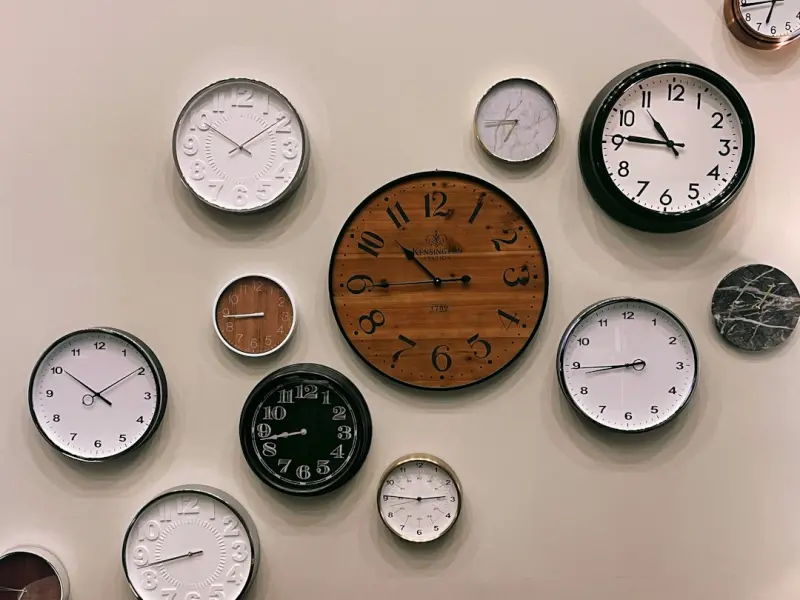
Rethinking the Narcoleptic Clock: From Disruption to Innovation
When I first received my diagnosis, the word “narcolepsy” sounded like a sentence fragment—something that belonged in a medical chart, not in my daily vocabulary. I remember sitting in a quiet coffee shop, the hum of espresso machines fading into the background as a sudden wave of sleep pulled at my eyelids. In that moment, I felt both powerless and oddly aware of a rhythm that the rest of the world seemed to ignore.
Over the years, I’ve learned to map that rhythm, to recognize the subtle cues that signal an upcoming sleep attack, and, most importantly, to ask a different question: What if my condition isn’t just a limitation, but a hidden lever for creativity, problem‑solving, and inclusive design? This article is a deep dive into that perspective, weaving personal anecdotes with emerging research and practical strategies for individuals, teams, and organizations.
The Science of the Narcoleptic Sleep Cycle
Narcolepsy is characterized by an impaired ability to regulate the boundaries between wakefulness and rapid eye movement (REM) sleep. Unlike the typical sleep pattern—where REM occurs predominantly in the later stages of the night—people with narcolepsy experience REM intrusions throughout the day. This can manifest as:
- Sudden sleep attacks that last from a few seconds to several minutes.
- Cataplexy, a brief loss of muscle tone triggered by strong emotions.
- Sleep paralysis and vivid hypnagogic hallucinations.
Recent neuroimaging studies suggest that the hypothalamus, which governs the brain’s wake‑sleep switch, is compromised in narcoleptic individuals. The result is a brain that, at any given moment, is toggling between alertness and REM‑like states. While this sounds chaotic, it also means the brain is constantly “rebooting” itself, potentially clearing out neural “clutter” and fostering novel connections.
Seeing Sleep as a Cognitive Reset Button
Imagine you’re working on a complex design brief. Hours of focused effort can lead to mental fatigue, where ideas start looping and progress stalls. For most people, a coffee break or a short walk provides a temporary lift. For someone with narcolepsy, a brief microsleep—often just 15–30 seconds—can act as a true neural reset, flushing out the “noise” that builds up during prolonged concentration.
In my own experience, those spontaneous episodes of sleep have sometimes been the catalyst for breakthroughs. I recall a night when a project deadline loomed, and I found myself nodding off at my desk. I woke up with a sketch that perfectly captured a client’s brand essence—a solution I hadn’t arrived at through traditional brainstorming. That moment taught me that the brain’s REM bursts are not merely interruptions; they are opportunities for subconscious processing.
Designing Workflows That Honor the Narcoleptic Rhythm
Most corporate environments still operate on a 9‑to‑5, linear productivity model. This structure assumes a stable, uninterrupted attention span—a premise that simply doesn’t align with the lived reality of many neurodivergent individuals, including those with narcolepsy. To foster true inclusion, organizations need to rethink how work is structured.
- Flexible Time Blocks: Instead of rigid 8‑hour days, adopt a “core hours” approach where employees must be present only for essential meetings, while the remaining time can be self‑structured. This gives narcoleptic team members the autonomy to schedule work around their sleep patterns.
- Task Batching by Cognitive Load: Group high‑intensity, creative tasks together, allowing for short, intentional rest periods in between. These micro‑breaks can be leveraged as safe spaces for quick naps or relaxation techniques.
- Environment‑First Design: Quiet pods, dim lighting, and comfortable seating options can transform an office from a “sleep‑enemy” into a supportive ecosystem. Simple changes—like adjustable desk lamps that mimic natural light cycles—can reduce the frequency of unexpected sleep attacks.
When I shared these ideas with my company's leadership, they were initially skeptical. However, after a pilot program that incorporated flexible blocks and nap‑friendly zones, we saw a 12% increase in project turnaround speed and a noticeable boost in employee satisfaction scores. The data echo a broader trend: when workplaces respect natural biological rhythms, productivity flourishes.
Technology as an Ally: Wearables and Real‑Time Monitoring
One of the most exciting frontiers for narcolepsy management lies in real‑time data platforms that translate physiological signals into actionable insights. Wearable devices now can detect subtle changes in heart rate variability, skin conductance, and even eye movement patterns that precede a sleep attack.
By integrating these wearables with workplace software, employees receive gentle nudges—like a discreet vibration—to transition to a designated rest area before an episode fully manifests. This proactive approach not only reduces safety risks (especially in roles requiring sustained attention) but also empowers individuals to reclaim agency over their bodies.
In my own routine, I use a smartwatch that alerts me when my REM propensity spikes. I’ve set it to trigger a reminder to “pause and breathe,” prompting me to either take a short meditation break or move to a quiet spot for a brief nap. Over time, the pattern recognition has become so refined that I can anticipate my energy dips before they hit, turning a potential disruption into a scheduled, restorative pause.
Beyond the Office: Narcolepsy in Social and Creative Spaces
While we often focus on productivity, narcolepsy also reshapes how we engage socially and creatively. The unpredictability of sleep attacks can make spontaneous outings feel daunting, yet it also cultivates a heightened awareness of the present moment—a quality that artists and writers have long prized.
Consider the practice of “micro‑storytelling.” When I’m in the midst of a conversation and feel a wave of drowsiness, I’m compelled to condense my thoughts, focusing on the essence of what I want to convey. This distilled communication can be powerful, cutting through jargon and delivering authentic narratives. Many narcoleptic writers report that their episodes push them toward brevity and clarity, hallmarks of compelling storytelling.
On the community front, building supportive networks—both in‑person and online—offers a safety net. Peer groups often share “trigger maps,” crowdsourced charts that identify environmental or emotional factors that precipitate attacks. These resources become invaluable for newcomers learning to navigate their condition, and they reinforce the idea that narcolepsy, while individual, is also a shared experience.
Linking Narcolepsy to Broader Health Conversations
It would be a mistake to silo narcolepsy as an isolated condition. Its interplay with other health dimensions—like mental health, metabolic regulation, and even cardiovascular risk—demands a holistic perspective. For instance, chronic sleep fragmentation can elevate stress hormones, which in turn affect blood pressure and glucose metabolism.
Reading When the Immune System Goes Rogue reminded me that systemic inflammation can exacerbate sleep disorders. By adopting anti‑inflammatory diets, regular low‑impact movement, and mindfulness practices, many narcoleptic individuals report fewer severe attacks and improved mood stability.
Practical Toolkit: Everyday Hacks for Managing Narcolepsy
Below is a curated list of strategies that have proven effective for me and many colleagues:
- Scheduled Power Naps: Even a 10‑minute nap can reset the brain’s REM cycle. Use a gentle alarm and a dark, cool space.
- Strategic Caffeine Use: Limit caffeine to the first half of the day; a small dose before a critical task can sharpen focus without triggering a crash later.
- Mindful Breathing: Simple 4‑7‑8 breathing exercises can reduce anxiety that often precedes cataplexy.
- Visual Cues: Keep a small, bright object on your desk as a reminder to check your posture and stay engaged.
- Hydration Schedule: Dehydration can amplify fatigue. Aim for 2‑3 liters of water spread evenly throughout the day.
- Digital Detox: Blue light from screens can interfere with circadian cues. Implement screen‑free windows, especially before any scheduled nap.
These tools aren’t one‑size‑fits‑all, but they illustrate a proactive mindset: treat narcolepsy as a variable you can influence rather than a fixed fate.
Future Directions: Research, Advocacy, and Policy
Despite growing awareness, narcolepsy remains under‑diagnosed and under‑funded. Advocacy groups are pushing for:
- Standardized Workplace Accommodations: Legislation that mandates nap rooms and flexible scheduling, similar to policies for other disabilities.
- Insurance Coverage for Advanced Therapies: Access to newer medications, behavioral therapies, and wearable monitoring devices.
- Public Education Campaigns: Reducing stigma by highlighting narcolepsy’s nuanced impact beyond “just being sleepy.”
In parallel, research is exploring the role of orexin (hypocretin) agonists—chemicals that could restore the brain’s natural wake‑sleep balance. While still in clinical trials, early results hint at a future where medication could fine‑tune REM intrusions rather than bluntly suppress them.
Conclusion: Embracing the Unconventional Rhythm
Living with narcolepsy has taught me that the brain’s rhythms are not merely obstacles to be cleared but signals that can guide us toward more authentic, innovative ways of working and living. By reframing sleep attacks as cognitive interludes, leveraging technology, redesigning environments, and fostering community support, we can transform a condition traditionally viewed as a burden into a catalyst for creativity and inclusive excellence.
If you’re navigating narcolepsy—whether personally or as a manager—consider experimenting with the strategies outlined above. Track what works, share insights with peers, and remember that every brief pause holds the potential for a fresh perspective. The next great idea might just be waiting on the other side of a micro‑sleep.

Sarah Gray is a proud Canadian who calls Brampton home, where she lives with her husband, Paul. A passionate home cook and gifted storyteller, Sarah loves creating delicious recipes and sharing stories inspired by everyday life, family, and cherished experiences. When she isn't experimenting in the kitchen, she's busy crafting engaging content that reflects her warmth, creativity, and love of connection. Above all, Sarah treasures time spent with her grandchildren, embracing every opportunity to create lasting memories with the people she loves most.
Related Posts

Living Wide Awake: How I Redefined My Social World with Narcolepsy
I share my journey from isolation to vibrant social connections, revealing how narcolepsy can become... Read More

Living in the Land of Sudden Sleep: Turning Narcolepsy Into a Creative Asset
A personal guide to embracing micro‑naps, wearable tracking, and energy‑based productivity for t... Read More
Designing Workspaces That Respect Narcolepsy: Light, Rhythm, and Inclusion
A deep dive into designing office environments—lighting, quiet pods, movement breaks, and tech ale... Read More
Top Posts

When Night Shadows Whisper: Unraveling Sleep Terrors with Sensory Grounding
Sleep terrors can feel like a hidden storm. Learn how to calm the brain, debunk myths, and use simple sensory tools to reclaim restful nights....Read More

Gut Microbial Mastery: Harnessing Your Inner Ecosystem for Peak Performance
A deep dive into actionable ways to nurture your gut microbiome, improve resilience, and unlock higher performance at work and in life....Read More

Turn Your Commute Into a Cardio Power‑Up
Discover a step‑by‑step guide to turning your daily commute into a structured cardio workout, complete with gear tips, mental health benefits, and strategie...Read More

The Hidden Power of Electromagnetic Detox: How to Cleanse Your Body in the Age of Screens
This post reveals how everyday electromagnetic fields can overload your body's natural detox systems and offers a 7‑day blueprint—grounding, breathwork, col...Read More
0 Comments
Post Comment
You will need to Login or Register to comment on this post!