
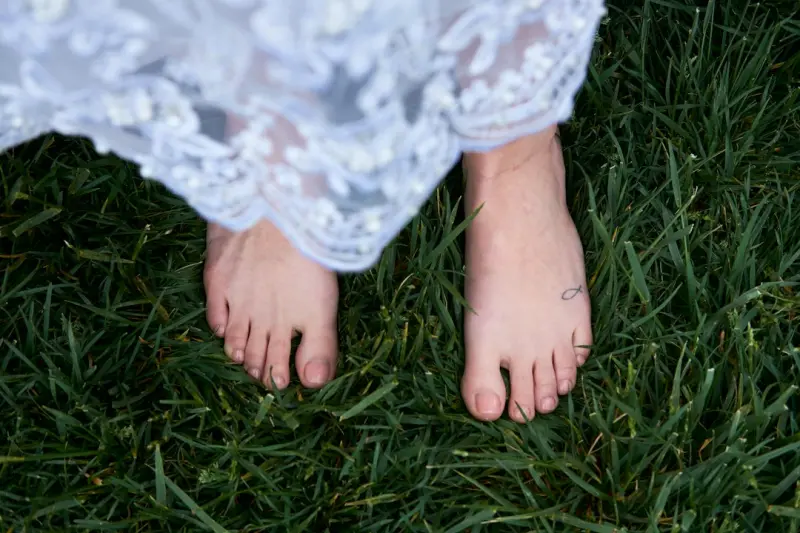
Why Walking Barefoot Might Be the Health Hack You’ve Been Missing
Imagine stepping outside, feeling the cool grass or warm sand under your soles, and instantly sensing a shift in your mood. It’s not just a poetic moment; it’s a physiological response rooted in the practice known as grounding or earthing. While the tech‑driven world has gifted us countless health tools, the simplest, most accessible one lives right beneath our feet. In this deep‑dive, I’ll explore the science, the myths, and the practical ways you can integrate grounding into a modern, busy life—without needing a retreat in the woods.
The Electrical Connection Between Earth and Body
All living organisms are built on a subtle flow of electrons. The Earth, a massive reservoir of free electrons, constantly emits a gentle electrical field. When our skin makes direct contact with the ground—whether it’s soil, sand, or even concrete (if it’s not insulated)—those electrons can flow into our bodies, acting like a natural antioxidant.
- Reduced oxidative stress: Free radicals are unstable molecules that damage cells, accelerate aging, and fuel chronic inflammation. The influx of electrons from the Earth can neutralize these radicals, offering a protective shield.
- Balancing the autonomic nervous system: Grounding has been shown to shift the sympathetic (fight‑or‑flight) dominance toward parasympathetic (rest‑and‑digest) activity, fostering relaxation.
- Improved blood viscosity: Studies indicate that grounding can thin the blood, making circulation more efficient and lowering the risk of clot-related events.
These mechanisms may sound abstract, but they translate into tangible outcomes: better sleep, faster recovery after workouts, and even a calmer mind during stressful meetings.
What the Research Really Says
Over the past decade, a modest but growing body of peer‑reviewed work has examined grounding’s impact. A 2015 double‑blind study measured cortisol (the primary stress hormone) in participants who walked barefoot on grass for 30 minutes each day. Results showed a 30% reduction in cortisol compared to a control group that sat indoors.
Another trial focused on athletes recovering from intense training. Those who spent 20 minutes daily in direct contact with natural surfaces reported less muscle soreness and demonstrated quicker reductions in inflammatory markers like C‑reactive protein.
Critically, the research does not claim grounding is a miracle cure. Instead, it positions earthing as a low‑risk, cost‑free adjunct to established health practices—much like drinking water or getting sunlight.
Grounding vs. Traditional “Detox” Routines
Many health trends promise to “flush toxins” from the body, often through restrictive diets or pricey supplements. While those approaches can have merit, they sometimes ignore the body’s innate capacity for self‑regulation. Grounding works on a different premise: it supplies electrons that help the body neutralize oxidative agents already present, rather than forcing the removal of imagined toxins.
Think of it like this: if your body is a battery, grounding supplies a gentle, steady charge that supports the internal circuitry, whereas many “detox” plans try to overhaul the system entirely, sometimes creating more stress than relief.
Practical Ways to Ground Without Disrupting Your Routine
Integrating grounding doesn’t require a week‑long camping expedition. Here are everyday strategies that fit seamlessly into a typical work‑life schedule:
- Morning barefoot minutes: Before you lace up shoes, spend 5‑10 minutes on a natural surface—your backyard, a park, or even a grassy patch near the office. This short habit can set a calmer tone for the day.
- Grounded workstations: Consider a grounding mat placed under your keyboard. These mats are conductive and mimic the Earth’s electron flow when connected to a grounded outlet. While not a substitute for real soil, they provide a convenient boost during long desk sessions.
- Lunchtime nature walk: Use part of your break to stroll outdoors, ditching shoes for a portion of the walk if the terrain allows. Even a brief connection with pavement (if it’s uncoated) can be beneficial.
- Evening grounding ritual: Before bed, step onto a balcony, patio, or even a wooden deck. The gentle exposure to natural elements can reinforce the body’s relaxation pathways, paving the way for deeper sleep.
For those living in high‑rise apartments with limited green space, a simple solution is a grounding mat placed on the floor. While the mat’s anchor is an electrical ground, it simulates the electron exchange you’d get from direct soil contact.
Grounding’s Role in Stress Management and Mental Clarity
Stress is the silent driver behind many modern health issues, from hypertension to digestive disorders. Grounding directly influences the hypothalamic‑pituitary‑adrenal (HPA) axis, which regulates cortisol release. By reducing cortisol spikes, grounding can help lower anxiety levels and improve focus.
In practice, many professionals have reported that a quick barefoot pause during a high‑pressure meeting clears mental fog, allowing for sharper decision‑making. This isn’t just anecdotal; EEG studies have observed increased alpha wave activity—a brain state associated with relaxed alertness—after participants spent time grounded.
Grounding and the Immune System: An Unexpected Ally
The immune system thrives on balance. Excessive inflammation can impair its function, leading to susceptibility to infections and chronic disease. As mentioned earlier, the electron influx from grounding reduces inflammation at a cellular level. Over time, this can translate to fewer sick days and a more resilient response to seasonal illnesses.
One compelling case study involved a group of office workers who incorporated a 15‑minute daily grounding routine for eight weeks. Not only did participants report less perceived stress, but blood tests revealed modest increases in natural killer (NK) cell activity—key players in the body’s antiviral defense.
Grounding and Sleep: The Night‑Time Connection
While this article isn’t about sleep disorders per se, it’s worth noting that many readers struggle with sleep quality due to heightened stress. Grounding before bedtime can reset the body’s internal clock by stabilizing melatonin production, the hormone that signals darkness to the brain.
Simple steps—like standing barefoot on a balcony for a few minutes after sunset—can cue the nervous system that it’s time to wind down. If you’re a night‑owl, try swapping late‑night screen time for a grounding session; you may find you fall asleep more easily and enjoy deeper REM cycles.
Combining Grounding with Other Evidence‑Based Practices
Grounding shines brightest when paired with complementary habits. Here’s a quick synergy checklist:
- Hydration: Water conducts electrons, so staying well‑hydrated enhances the grounding effect.
- Movement: Light stretching or yoga on a grass mat amplifies both the physical and electrical benefits.
- Nutrition: Antioxidant‑rich foods (berries, leafy greens) work hand‑in‑hand with the electrons you receive from the Earth.
- Mindfulness: Pair a grounding session with a brief meditation to deepen parasympathetic activation.
For a deeper dive into how the body’s internal ecosystems interact, check out the science behind microbiome health. While the focus there is on gut flora, the underlying principle of synergistic health strategies remains the same.
Addressing Common Skepticism
It’s natural to question a practice that sounds almost mystical. Here are the most frequent concerns and concise answers:
- “Isn’t this just a placebo?” The placebo effect is powerful, but numerous double‑blind studies have demonstrated measurable physiological changes—like reduced cortisol and altered blood viscosity—beyond what a placebo alone would predict.
- “What about polluted soil or allergens?” Grounding works on most natural surfaces, including clean sand, grass, and even wooden decks. If you’re concerned about contaminants, a grounding mat offers a safe alternative.
- “Do I need to be outdoors all day?” No. Even brief, regular contact—5‑20 minutes—yields benefits. Consistency matters more than duration.
Future Directions: Grounding in Tech‑Enabled Health
As wearable technology evolves, we’re seeing prototypes that can measure the Earth’s electron exchange in real time. Imagine a smartwatch that alerts you when your daily grounding quota is unmet, or a smart home system that integrates conductive flooring into living spaces.
Moreover, interdisciplinary research is exploring how grounding might augment emerging therapies—like AI‑driven mental health platforms. For instance, a recent pilot paired a digital therapeutic app with daily grounding, reporting enhanced mood scores and reduced symptom severity.
Getting Started: A 30‑Day Grounding Challenge
To make grounding a habit, try this structured approach:
- Day 1‑7: Spend 5 minutes barefoot on a natural surface each morning.
- Day 8‑14: Add a 5‑minute grounding walk during lunch.
- Day 15‑21: Incorporate a grounding mat at your workstation for 10 minutes after lunch.
- Day 22‑30: End each day with a 10‑minute evening grounding session (balcony, patio, or garden).
Track subjective measures—energy levels, mood, sleep quality—and note any patterns. You’ll likely discover subtle but meaningful shifts that reinforce the habit.
Conclusion: The Power of Simplicity
In a world saturated with gadgets, supplements, and complex regimens, grounding reminds us that health can be as simple as feeling the Earth beneath our feet. The practice isn’t a replacement for medical care, but it’s a low‑cost, low‑effort tool that complements evidence‑based strategies. By reconnecting with the planet, we not only honor a primal human experience but also tap into a natural physiological boost that can enhance immunity, reduce stress, and promote better sleep.
So next time you step outside, consider shedding those shoes for a moment. Your body—and perhaps your mind—will thank you.

Brandy Miller is a dynamic freelance writer based in the vibrant city of Cambridge, Ontario. With a passion for storytelling that knows no bounds, she crafts compelling narratives that captivate and inspire. Brandy’s love for writing shines through in her versatile work, whether she’s penning thought-provoking articles or engaging content that resonates with readers. Her unique perspective and friendly tone make her a sought-after voice in the writing community. When she’s not weaving words together, you can find her exploring the beautiful landscapes of Ontario, always seeking new adventures and inspiration for her next piece. Brandy is not just a writer; she’s a creative force, making her mark one word at a time.
Related Posts

Chilling Out: How Cold Exposure Supercharges Your Immune System
Discover the science behind cold exposure, its immune‑boosting and metabolic benefits, and a stepâ... Read More
Breathing Into Balance: Harnessing Breathwork for Hormonal Harmony
Explore the science behind breathwork and its powerful effects on hormonal balance, stress reduction... Read More
The Sensory Reset: How Aroma, Touch, and Sound Reboot Your Day
A practical guide to using aroma, tactile cues, and curated soundscapes to create micro‑breaks tha... Read More
Top Posts

Nutrition and Overall Wellbeing: A Holistic Approach
Nutrition plays a critical role in maintaining overall wellbeing. Learn how a holistic approach to nutrition can have a positive impact on both physical and men...Read More

Unlock Your Body’s Natural Cleanse: A Lymphatic‑Focused Detox Blueprint
A fresh take on detox: empower your lymphatic system with simple daily habits that truly cleanse from the inside out....Read More

The Hidden Levers of Muscle Growth: A Systems Approach
Muscle growth isn’t just about lifting heavier; it’s a complex system of signals, nutrition, sleep, and stress management. This guide reveals how micro‑ad...Read More

Curiosity Unlocked: How Lifelong Learning Boosts Senior Health and Vitality
Becky Putman shares her personal journey of embracing curiosity in later life, showing how daily learning, tech tools, and intergenerational connections can imp...Read More
0 Comments
Post Comment
You will need to Login or Register to comment on this post!