

Why Your Menstrual Cycle Is the Missing Piece in Your Performance Puzzle
Imagine walking into a boardroom feeling laser‑focused, your creativity humming, and your energy steady—all because you timed that crucial presentation to a specific phase of your cycle. It sounds almost mystical, but the science behind hormonal rhythms is anything but fantasy. For too long, women have been told to “just push through” the monthly fluctuations, treating them as an inconvenience rather than a strategic asset. In this post, I’ll walk you through how to decode the four phases of the menstrual cycle, translate hormonal cues into actionable work habits, and build a self‑care routine that fuels both personal well‑being and professional impact.
The Four Phases, Plain and Simple
At its core, the menstrual cycle can be broken down into four distinct windows, each dominated by a different hormonal cocktail:
- Menstrual (Days 1‑5): Low estrogen and progesterone, a natural “reset” period.
- Follicular (Days 6‑14): Rising estrogen, boosting confidence, verbal fluency, and abstract thinking.
- Ovulatory (Days 15‑17): Peak estrogen and a surge of luteinizing hormone (LH), heightening social acuity and risk‑taking.
- Luteal (Days 18‑28): Rising progesterone, which can dampen dopamine and increase the need for routine and restorative practices.
These phases aren’t just biological footnotes; they shape cognition, mood, and physical stamina. By aligning tasks with the phase that naturally supports them, you can reduce friction, avoid burnout, and tap into a hidden well of productivity.
Mapping Your Work to Hormonal Highs
Here’s a practical “phase‑by‑phase” cheat sheet you can start using today:
- Menstrual Phase – Recovery Mode
Use this window for reflective work: data analysis, documentation, and strategic planning. Your body craves rest, so schedule fewer high‑energy meetings and prioritize tasks that don’t demand rapid decision‑making. Gentle movement—yoga, light walks, or stretching—helps alleviate cramps while keeping circulation healthy. - Follicular Phase – Ideation & Learning
This is the brain’s creative engine. Pitch new projects, brainstorm solutions, or dive into skill‑building courses. Your verbal fluency and confidence are on the rise, making it an ideal time for networking events or client presentations. - Ovulatory Phase – Execution & Influence
The combination of high estrogen and LH sharpens social perception and risk tolerance. Leverage this period for negotiations, public speaking, or leading cross‑functional teams. Your charisma is naturally amplified, making it easier to persuade and inspire. - Luteal Phase – Detail‑Oriented Completion
As progesterone climbs, focus shifts to meticulous, process‑driven work. Finish reports, audit budgets, or refine SOPs. Recognize the potential for mood swings; buffer yourself with short breaks, mindful breathing, and nutrient‑dense meals to stabilize blood sugar.
Notice how each phase aligns with a different work style? By matching tasks to hormonal strengths, you’re not forcing yourself to fight biology—you’re collaborating with it.
Nutrition & Hormone Harmony
Food is the bridge between raw hormonal signals and how you actually feel. During the follicular and ovulatory windows, prioritize complex carbs, lean proteins, and antioxidant‑rich fruits to sustain the surge in estrogen. In the luteal phase, magnesium‑rich foods (spinach, pumpkin seeds, dark chocolate) can ease PMS symptoms, while omega‑3s help smooth mood fluctuations.
Hydration remains non‑negotiable throughout the cycle. Even mild dehydration can magnify fatigue and impair cognitive clarity, especially when progesterone already encourages a sense of sluggishness.
Movement Strategies That Respect the Cycle
Exercise isn’t a one‑size‑fits‑all prescription. Here’s a tiered approach:
- Menstrual: Light mobility work—gentle yoga, Pilates, or short walks.
- Follicular: Higher intensity cardio, HIIT, or strength training. Your muscles respond better to load, and you’ll likely recover faster.
- Ovulatory: Power workouts or competitive sports. This is when you naturally feel stronger and more coordinated.
- Luteal: Moderate sessions—steady‑state cardio, swimming, or low‑impact circuit training—to keep energy levels stable without overstressing the body.
Listening to your body’s cues prevents the “exercise‑induced stress” that can exacerbate PMS and supports long‑term hormonal balance.
Sleep: The Silent Modulator
Sleep quality fluctuates across the cycle, often dipping during the luteal phase due to progesterone’s thermogenic effect. To combat this, create a wind‑down routine that includes dim lighting, a cool bedroom temperature, and a short meditation. If you find yourself waking frequently, consider a brief evening walk or a magnesium supplement (after consulting a healthcare professional).
Technology as Your Cycle Companion
Wearable trackers have evolved from step counters to sophisticated hormone‑estimation tools. Devices that monitor basal body temperature, heart rate variability (HRV), and sleep patterns can provide insights into which phase you’re in, even without a traditional calendar.
Integrating this data with your calendar lets you auto‑schedule “focus blocks” or “recovery windows” without manual input. For example, a spike in resting HRV could signal the onset of the follicular phase, prompting you to schedule a brainstorming session.
Remember, technology is a supplement—not a substitute—for self‑observation. Use it to confirm patterns you already notice, not to dictate every decision.
Mindset Shift: From “Mood Swings” to “Strategic Rhythm”
Language shapes experience. Referring to hormonal changes as “mood swings” reinforces the narrative of loss of control. Reframing them as “rhythmic cues” empowers you to anticipate and plan. This subtle shift can improve self‑compassion and reduce the internalized stigma that many professional women feel when they need to step back for a period.
Real‑World Case Study: A Product Manager’s Cycle Syncing Journey
Laura, a senior product manager at a fast‑growing SaaS startup, began tracking her cycle six months ago. By aligning her sprint planning with her hormonal calendar, she saw measurable improvements:
- Idea Generation: She scheduled sprint kickoff meetings during her follicular phase, reporting a 30% increase in approved feature ideas.
- Stakeholder Presentations: Critical demos were set for the ovulatory window, resulting in a higher stakeholder approval rating (from 78% to 92%).
- Burnout Reduction: By reserving the menstrual phase for low‑stress tasks, Laura cut her overtime hours by 40% and reported a noticeable lift in overall job satisfaction.
Laura’s story underscores how a simple alignment can ripple through performance metrics, team morale, and personal health.
Integrating Cycle Syncing with Existing Wellness Programs
Many organizations already promote flexible work hours, mental‑health days, and ergonomic spaces. Cycle syncing can be woven into these initiatives without overhauling policies:
- Flexible Scheduling: Allow employees to self‑select “focus days” that match their hormonal strengths.
- Education Workshops: Partner with HR to offer webinars that demystify the menstrual cycle for all staff, fostering a supportive culture.
- Wellness Stipends: Provide credits for apps or wearables that help track hormonal data.
- Physical Spaces: Offer quiet rooms for restorative breaks during the luteal or menstrual phases.
When a company normalizes cycle‑aware practices, it not only boosts individual performance but also signals an inclusive, forward‑thinking environment.
Addressing Common Concerns
“I’m not a “cycle‑aware” person—can I still benefit?” Absolutely. Even a basic awareness of when you feel most energetic versus when you crave rest can guide better task allocation.
“What if my cycle is irregular?” Irregularities often stem from stress, nutrition, or underlying health conditions. Tracking symptoms rather than days can still reveal patterns. If irregularities persist, consider consulting a healthcare provider.
“Will this make me appear less committed?” Transparency is key. Frame your approach as a productivity enhancer rather than an excuse for time off. Share data‑driven outcomes (like Laura’s) to illustrate the ROI.
Beyond the Cycle: Building a Holistic Women’s Health Toolkit
Cycle syncing is one piece of a broader health mosaic that includes mental health, reproductive planning, and long‑term disease prevention. When combined with strategies from other articles—such as spotting early liver signals or building resilience—you create a resilient, adaptable self that can thrive in any professional climate.
Getting Started: Your 30‑Day Cycle Sync Challenge
Ready to test the waters? Follow this three‑step plan:
- Track: For the first two weeks, log your period dates, mood, energy levels, and any physical symptoms in a journal or app.
- Align: Map your upcoming tasks to the phases you’ve identified. Move high‑energy activities to follicular/ovulatory windows and schedule routine work for luteal/menstrual periods.
- Review: At the end of the month, assess performance metrics (output, focus, mood) and adjust your schedule for the next cycle.
By the end of the 30‑day challenge, you’ll likely notice clearer mental focus, smoother mood swings, and a deeper sense of agency over your own body.
Closing Thoughts
Women’s health is often discussed in silos—reproductive health, mental health, fitness—each treated as a separate chapter. Cycle syncing stitches these chapters together, revealing a narrative where biology and ambition aren’t at odds but are complementary forces. By honoring the natural ebb and flow of hormones, you can unlock a sustainable, high‑performance version of yourself that feels both authentic and empowered.

Tammy French is a Montessori Teaching Assistant and freelance writer passionate about education, creativity, and inspiring lifelong learning through engaging content.
Related Posts

Reclaiming Hormonal Harmony: A Holistic Guide for Women
Explore a holistic approach to women’s health, covering hormone balance, nutrition, joyful movemen... Read More

Holistic Paths to Empowered Women’s Health
Explore a holistic roadmap for women’s health, blending nutrition, sleep, movement, and mind‑bod... Read More
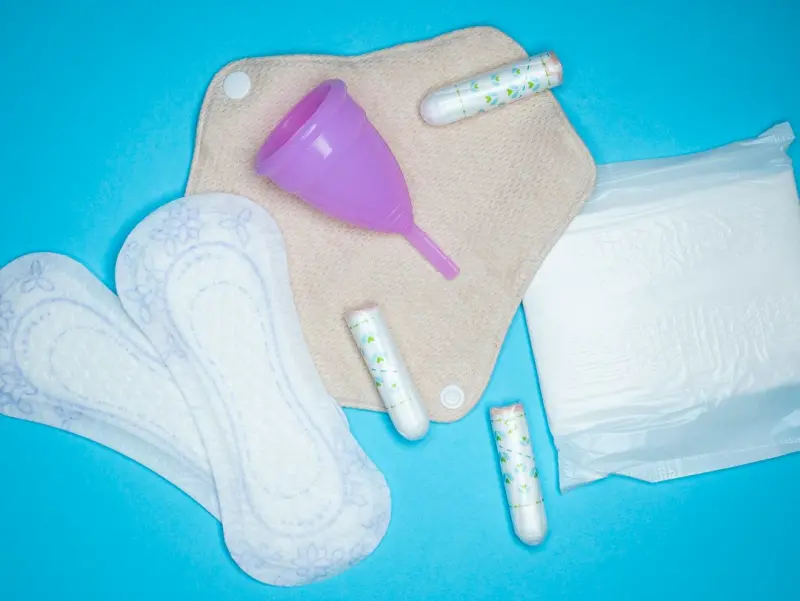
Your Cycle, Your Power: Aligning Menstruation with Modern Life
Discover practical ways to align your menstrual cycle with daily habits, from workouts to nutrition,... Read More
Top Posts
Beyond the Numbers: Personal Strategies to Tame Blood Pressure
A candid, data‑driven guide shares simple breathing, posture, hydration, and digital biofeedback habits that lowered the author’s blood pressure, offering a...Read More

Rethinking Body Detox: Harnessing the Lymphatic Highway and Breath
Explore a holistic detox plan that leverages the lymphatic system, breathwork, nutrition, and seasonal syncing to naturally cleanse the body and boost vitality....Read More

Designing a Pregnancy‑Friendly Home Without the Clutter
Learn how to create a calm, clutter‑free home for pregnancy with minimalist design, multi‑functional furniture, sustainable materials, and smart budgetingâ€...Read More

Embracing Healthy Aging: A Holistic Journey to Longevity
A holistic perspective on aging transforms wrinkles into stories of resilience, blends nutrition with joyful movement, and offers practical tools for blood pres...Read More
0 Comments
Post Comment
You will need to Login or Register to comment on this post!