

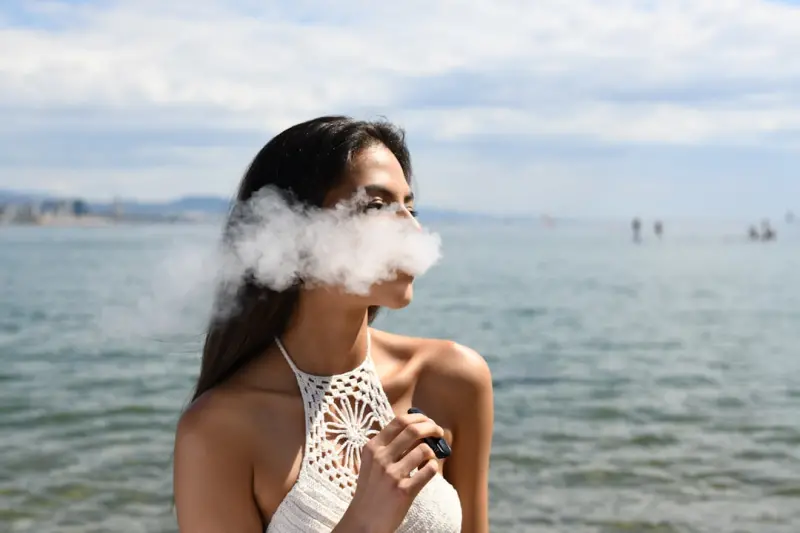
When I first walked into a coffee‑shop and saw a sleek, pod‑style device perched beside a latte, I thought I’d stumbled onto the next generation of social ritual. The vape cloud that drifted up from the corner table wasn’t just nicotine—it was flavor, tech, and a whole new form of self‑expression. As someone who’s watched wellness trends morph from kale smoothies to mindful breathing, I’m fascinated by how vaping is rewriting its own narrative, especially with the surge of nicotine‑free options and hyper‑personalized flavors.
The Nicotine‑Free Wave: Why It Matters
For years, the conversation around vaping has been dominated by concerns over nicotine addiction, youth uptake, and lung health. But a quieter, equally powerful shift is happening: manufacturers are investing heavily in nicotine‑free e‑liquids. These products retain the sensory experience—a throat hit, aromatic vapor, and a hand‑to‑mouth ritual—while stripping out the addictive substance that has fueled controversy.
Why are consumers gravitating toward this? Three core motivations have emerged:
- Social Flexibility: A nicotine‑free vape can be shared at work breaks, family gatherings, or wellness retreats without the stigma of “smoking.”
- Flavor Exploration: Freed from nicotine’s bitter undertone, flavor chemists can push boundaries, offering complex profiles that range from “smoked rosemary” to “coconut‑lime sorbet.”
- Wellness Alignment: Many users report that the act of inhaling vapor, coupled with mindful breathing, mirrors practices like mental architecture for focus, creating a calming pause in a hectic day.
Regulatory Landscape: A Balancing Act
Governments worldwide are scrambling to keep pace. In some jurisdictions, nicotine‑free products have slipped through tighter restrictions aimed at nicotine‑containing vapes, leading to a patchwork of rules. This inconsistency offers both opportunities and risks:
- Regulators may view nicotine‑free devices as a “safer” alternative, potentially relaxing advertising bans and allowing broader shelf placement.
- Conversely, lax oversight could result in lower quality standards, where sub‑par ingredients masquerade as premium flavors.
Industry watchers suggest that a unified standard—covering ingredient transparency, emission testing, and age verification—could protect consumers while still encouraging innovation.
Flavor Innovation: From Candy to Culinary
When nicotine is out of the equation, flavor becomes the headline act. The past year has seen a culinary renaissance in the vaping world:
- Herb & Spice Infusions: Think “lavender‑mint tea” or “spiced chai.” These blends appeal to adults seeking sophisticated taste experiences.
- Seasonal Rotations: Just like craft breweries, vape brands now launch limited‑edition “summer splash” or “winter spice” series, creating urgency and collectability.
- DIY Mixology: A growing community shares custom recipes online, encouraging users to blend base liquids with natural extracts, reminiscent of the craft cocktail movement.
This flavor focus aligns with a broader consumer desire for personalization—an echo of the way people curate playlists or customize fitness apps. The result? Vaping is increasingly seen as an extension of personal brand rather than a mere nicotine delivery system.
Health Perception: Navigating the Grey Zone
While nicotine‑free vaping eliminates the risk of addiction, it doesn’t make the activity completely risk‑free. The primary health considerations revolve around:
- Propylene Glycol (PG) & Vegetable Glycerin (VG): These carriers, when heated, can produce aldehydes. However, studies indicate that the levels are significantly lower than those found in combustible cigarettes.
- Flavoring Agents: Certain diacetyl‑based flavorings have been linked to “popcorn lung” in occupational settings. Reputable manufacturers now label products as “diacetyl‑free,” but the onus remains on the consumer to verify.
- Inhalation Technique: Deep, prolonged inhalations can irritate the airway. Beginners are advised to start with short puffs and gradually adjust.
For many, the trade‑off feels worthwhile: the ritual and social component remain, while the physiological burden is markedly reduced.
Social Rituals & Community Building
Vaping’s rise has birthed micro‑communities—both online and offline. These groups share tips, swap flavor recipes, and host “vape‑and‑talk” meetups. In contrast to the solitary nature of smoking, vaping often encourages conversation, creating a shared experience that can enhance social bonds.
One notable trend is the integration of vaping into wellness events. Yoga studios, meditation retreats, and even corporate wellness programs are offering nicotine‑free vape stations, framing the activity as a “mindful pause.” This positioning leverages the same principles that make water‑based detox popular: a short, intentional interruption that resets the nervous system.
Technology Meets Tradition: Smart Pods and Data
Beyond flavors, tech is reshaping the vape experience. Smart pods now feature:
- Bluetooth Connectivity: Sync with a smartphone to track puff count, flavor usage, and battery health.
- Temperature Control: Prevent overheating of e‑liquids, preserving flavor integrity and reducing harmful by‑products.
- AI‑Curated Recommendations: Based on usage patterns, the app suggests new flavor profiles or optimal puff intervals, turning the habit into a data‑driven routine.
These features appeal to a demographic that values both convenience and insight—tech‑savvy professionals who appreciate a gadget that adapts to their preferences.
Environmental Considerations: From Disposable to Sustainable
One criticism of the vaping industry has been the proliferation of single‑use pods, which contribute to plastic waste. In response, several brands have launched recyclable or biodegradable options. Moreover, refillable systems, once considered “hobbyist” gear, are gaining mainstream acceptance due to their lower environmental footprint.
Consumers are also demanding transparency about the lifecycle of their devices. Some companies now offer trade‑in programs, allowing users to send back old pods for responsible recycling, similar to smartphone manufacturers.
Future Outlook: Where Is the Industry Heading?
Looking ahead, three forces will likely shape the vaping landscape:
- Regulatory Harmonization: As governments align standards, we can expect clearer labeling, stricter ingredient vetting, and age‑verification protocols that protect youth while supporting adult consumers.
- Flavor Sophistication: Expect a migration toward “gourmet” e‑liquids, with collaborations between chefs and flavor chemists, delivering tasting notes that rival fine dining.
- Integration with Wellness Tech: Wearables could soon sync with vape devices, offering biofeedback—such as heart‑rate variability—to suggest optimal breathing patterns during a puff.
For the curious, the journey is just beginning. Whether you’re a seasoned vaper, a wellness professional, or simply someone intrigued by the intersection of habit and health, the evolving narrative offers a fresh canvas for personal expression.
Practical Tips for the Curious Newcomer
If you’re considering stepping into the nicotine‑free vaping world, here are a few guidelines to ensure a smooth, enjoyable experience:
- Start Small: Choose a low‑output device and begin with short puffs to gauge your comfort level.
- Read Labels: Look for “diacetyl‑free” and “PG/VG ratio” information; a 50/50 mix often provides a balanced throat hit and vapor production.
- Stay Informed: Follow reputable sources and community forums—knowledge is your best safety net.
- Mind the Environment: Opt for refillable systems or brands with recycling initiatives to reduce waste.
By approaching vaping as a mindful, flavor‑driven ritual rather than a nicotine fix, you can enjoy the social and sensory benefits while aligning with a health‑conscious lifestyle.
In the end, the rise of nicotine‑free vaping illustrates a broader cultural shift: we’re moving from binary choices—smoke or no smoke—to nuanced experiences that blend technology, flavor, and well‑being. It’s a trend worth watching, tasting, and, for many, inhaling.

Deb Roberts is a freelancer who writes on various subjects, bringing versatility and depth to her work. Alongside her broad writing expertise, she has a special passion for horses.
Related Posts

Vaping’s New Wave: Design, Community, and the Circular Future
Vaping is evolving from a stigmatized habit into a design‑driven, community‑focused, and environ... Read More

Beyond the Clouds: How Vaping Culture, Tech, and Sustainability Are Redefining the Experience
A deep dive into the evolving world of vaping, examining cultural shifts, regulatory impacts, tech a... Read More
The Hidden Power of Vaping as a Mindful Sensory Ritual
Vaping isn’t just nicotine; it can be a deliberate, sensory‑rich pause that sharpens focus, ease... Read More
Top Posts

Rewiring Your Body’s GPS: Proprioceptive Play for Desk‑Bound Lives
I share my favorite proprioceptive exercises that turn a 9‑to‑5 desk job into a daily movement playground, keeping joints happy and the mind sharp....Read More

Turning Health Insurance Into Your Personal Health Coach
Discover how to transform a standard health insurance plan into an active health partner by using preventive services, mental health parity, telemedicine, and e...Read More

Nurturing the Newborn Microbiome: Simple Strategies for Lifelong Health
A deep dive into the infant microbiome, offering actionable tips— from skin‑first care to diet and environment— to build a resilient foundation for lifelo...Read More

Thriving with Autoimmune Disease: A Holistic Journey to Everyday Resilience
A personal, holistic guide reveals how gut health, stress management, nutrition, movement, and community empower those living with autoimmune disease....Read More
0 Comments
Post Comment
You will need to Login or Register to comment on this post!