
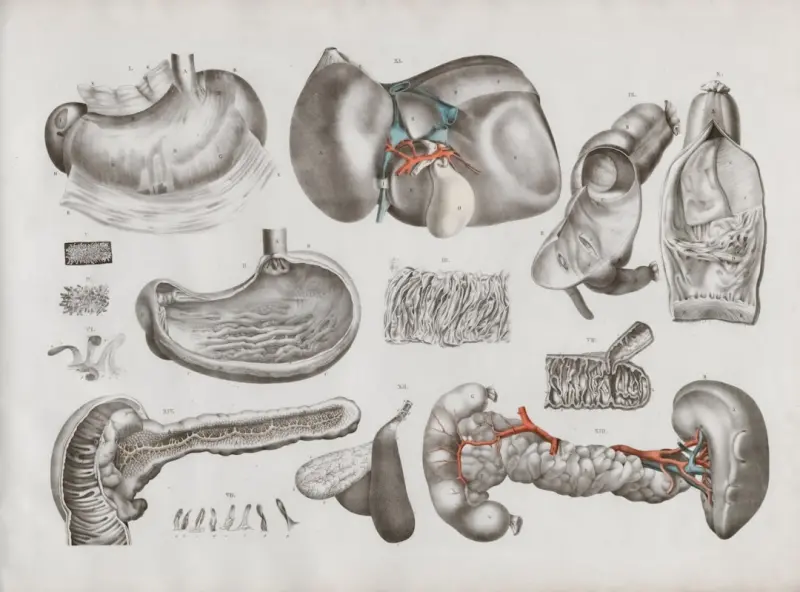
When Your Liver Takes the Lead in Mood Swings
It’s funny how the conversation around liver health usually lands on “detox” smoothies, fatty‑liver warnings, or the occasional “drink responsibly” reminder. I’ve spent the last few years diving deep into the less‑talked‑about side of the organ that quietly orchestrates more than just metabolism—it nudges our emotions, stabilizes our energy, and even whispers to our brain. In this post, I’ll peel back the curtain on the liver‑mind connection, share the science that makes it tick, and give you practical, sustainable habits that let your liver do its best work without turning your life upside‑down.
Why the Liver Matters to Your Brain (Beyond Alcohol)
When you think of brain‑fuel, you probably picture glucose, omega‑3s, and caffeine. But the liver is the backstage manager that converts those fuels into usable forms, clears neuro‑toxic by‑products, and regulates hormones that dictate mood. Here are three under‑appreciated ways the liver talks to the brain:
- Ammonia Clearance: Protein breakdown produces ammonia, a neurotoxic compound. The liver converts it into urea, which the kidneys flush out. When the liver falters, ammonia can accumulate, leading to brain fog, irritability, and in severe cases, hepatic encephalopathy.
- Glucose Homeostasis: The liver stores glucose as glycogen and releases it during fasting. Stable blood sugar keeps cortisol spikes at bay, preserving emotional equilibrium.
- Hormone Metabolism: Estrogen, testosterone, and cortisol all pass through the liver for activation or deactivation. An overburdened liver can tilt hormonal balance, manifesting as mood swings, anxiety, or low libido.
Understanding these pathways helps you see why a “liver‑friendly” lifestyle is essentially a “brain‑friendly” lifestyle.
The Hidden Culprits: Everyday Toxins That Overwhelm Your Liver
We rarely think of the air we breathe or the cosmetics we apply as liver‑taxing, yet modern life loads the organ with a cocktail of chemicals:
- Environmental pollutants: Fine particulate matter (PM2.5), volatile organic compounds (VOCs) from household cleaners, and heavy metals like cadmium silently demand detoxification.
- Prescription and OTC meds: Even “harmless” ibuprofen or certain antibiotics rely on hepatic enzymes for breakdown.
- Artificial sweeteners and additives: Some studies suggest that excessive consumption can disrupt hepatic lipid metabolism, nudging you toward fatty liver.
When the liver’s workload spikes, its ability to support the brain wanes. This is why many people experience “mental fatigue” after a week of heavy social drinking, but also after a stretch of high‑stress work paired with a diet rich in processed foods.
Gut‑Liver Axis: The Microbiome’s Secret Weapon
One of my most eye‑opening discoveries was how intimately the gut and liver collaborate. The portal vein carries nutrients—and toxins—from the intestines straight to the liver. A balanced microbiome helps break down food into gentle metabolites, while dysbiosis floods the liver with endotoxins that provoke inflammation.
Incorporating Fermentation Frontiers: How Wild Cultures Supercharge Your Health into your routine can be a game‑changer. Fermented foods like sauerkraut, kimchi, and kefir seed the gut with beneficial bacteria that produce short‑chain fatty acids, which in turn signal the liver to reduce inflammatory pathways.
Stress, Sleep, and the Liver’s Circadian Rhythm
Even though I’m avoiding the exact phrasing of earlier posts, I can’t ignore that the liver has its own clock, syncing with the body’s overall circadian rhythm. Disrupted sleep or chronic stress throws this clock out of whack, leading to impaired glucose production and altered hormone clearance.
Here’s a simple, research‑backed routine to realign the liver’s internal rhythm:
- Morning Light Exposure: 15‑minutes of natural sunlight within an hour of waking tells your suprachiasmatic nucleus to set the day’s tempo, indirectly cueing hepatic enzymes.
- Timed Protein Intake: Consuming a moderate protein meal (15‑20 g) within 30 minutes of waking supports amino‑acid metabolism without overwhelming the liver.
- Evening Light Dimming: Reduce blue‑light exposure after sunset to allow melatonin to rise, which also supports liver detox pathways.
Movement Matters: Gentle Exercise for Liver Flow
High‑intensity cardio is great for cardiovascular fitness, but the liver thrives on consistent, low‑to‑moderate activity that stimulates blood flow without causing oxidative stress. My go‑to moves include:
- Walking after meals: A 10‑minute stroll helps shuttle nutrients toward the liver, enhancing glycogen storage.
- Yoga poses that compress the abdomen: Twists and forward bends massage the liver, promoting lymphatic drainage.
- Resistance band circuits: Light strength work improves overall metabolic rate, indirectly easing the liver’s workload.
Nutrition Hacks That Keep the Liver Happy (Without Giving Up Flavor)
Let’s bust the myth that liver‑friendly meals are bland. Here’s a flavorful, nutrient‑dense framework you can adapt:
- Colorful Veggies: Cruciferous vegetables (broccoli, Brussels sprouts) boost glutathione, a master antioxidant the liver uses to neutralize toxins.
- Healthy Fats: Avocado, olive oil, and walnuts provide omega‑3s that modulate inflammation and improve lipid processing.
- Herbs & Spices: Turmeric (curcumin) and milk thistle are well‑studied hepatoprotective agents. A pinch of black pepper enhances curcumin absorption.
- Low‑Glycemic Carbs: Sweet potatoes, quinoa, and berries supply steady glucose without spiking insulin.
- Hydration with a Twist: Add a slice of lemon or cucumber to water; the citric acid supports bile production.
Combine these elements into a bowl, stir‑fry, or salad, and you’ll have a meal that fuels both body and brain.
The Role of Detox Practices: A Balanced Perspective
Detox trends often promise rapid results with extreme fasting or juice cleanses. While short‑term fasting can give the liver a brief “reset,” prolonged restriction can deplete essential amino acids needed for urea synthesis, potentially worsening ammonia buildup.
Instead, think of The 5‑Step Sensory Reset as a gentle, daily detox protocol. It blends breathwork, light movement, and mindful nutrition to support the liver’s natural processes without shocking the system.
When to Seek Professional Help
Even with the best home practices, some liver issues demand medical attention. Keep an eye out for these red flags:
- Persistent jaundice (yellowing of skin or eyes)
- Unexplained abdominal swelling or pain in the right upper quadrant
- Chronic fatigue accompanied by mental fog that doesn’t improve with sleep
- Elevated liver enzymes on routine blood work
If any of these symptoms appear, schedule a visit with a healthcare provider. Early detection can prevent irreversible damage and keep the liver‑brain partnership thriving.
Putting It All Together: A 30‑Day Liver‑Mind Reset
Ready to test the theory? Here’s a simple, step‑by‑step plan that combines the insights above:
- Day 1‑7: Baseline & Awareness – Track mood, energy, and food intake in a journal. Note any patterns that coincide with heavy meals, late‑night screens, or stress spikes.
- Day 8‑14: Gut Boost – Add a fermented food serving each day (e.g., a tablespoon of kimchi). Reduce processed sugars by 50%.
- Day 15‑21: Rhythm Reset – Implement the morning light, timed protein, and evening dimming routine. Aim for 7‑8 hours of consistent sleep.
- Day 22‑28: Movement & Hydration – Take a 10‑minute post‑meal walk daily. Incorporate one yoga session focusing on twists.
- Day 29‑30: Reflect & Adjust – Review your journal. Identify what improved mood or energy and plan to embed those habits long‑term.
The goal isn’t perfection—it’s sustainable alignment between liver function and mental well‑being.
Final Thoughts: Celebrate the Quiet Hero Inside You
Your liver doesn’t ask for applause, but it certainly deserves appreciation. By feeding it the right nutrients, protecting it from relentless toxins, and syncing its rhythm with your daily life, you’ll notice clearer thoughts, steadier moods, and a vitality that feels less “forced” and more “natural.” The next time you feel a sudden dip in focus or a wave of anxiety, ask yourself: “Is my liver trying to tell me something?” Then, respond with compassion, a glass of lemon‑infused water, and maybe a quick walk to the kitchen for a bite of fermented goodness.

Jessica Hall is a dynamic freelance writer based in the vibrant city of London, Ontario. As a dedicated single mom, she expertly juggles the demands of parenthood with her passion for storytelling, crafting compelling narratives that resonate with readers. With a background in retail, Jessica brings a unique perspective to her writing, infusing her work with insights drawn from her experiences
Related Posts
Unlocking the Liver’s Hidden Potential: A Practical Guide for High‑Performers
A deep dive into liver health that blends nutrition, fasting, movement, stress reduction, and techâ€... Read More

Why a Healthy Liver Is the Secret Weapon for Mental Sharpness
Explore the powerful liver‑brain connection, learn why liver health matters for mental clarity, an... Read More
Reboot Your Liver: Everyday Hacks for a Resilient Organ
Learn how to give your liver the respect it deserves with easy daily habits—smart hydration, movem... Read More
Top Posts
Narcolepsy at Work: Harnessing Micro‑Sleep for Innovation and Performance
Narcolepsy doesn’t have to be a career obstacle. By integrating scheduled micro‑sleeps, leveraging REM‑driven creativity, and adopting inclusive workplace...Read More

Beyond the Mirror: Rewriting the Narrative of Eating Disorders
Explore a fresh, holistic perspective on eating disorders that blends science, community support, and practical recovery steps, moving beyond stigma toward last...Read More

The First 100 Days: Tiny Levers That Shape Lifelong Infant Health
A practical guide to using infant massage, responsive rhythms, sensory‑friendly spaces, community challenges, and nutrition to give babies a robust health fou...Read More

Why Community Rhythm Beats Solo Sessions in Physiotherapy
Explore the transformative power of community physiotherapy, where shared movement, peer support, and inclusive protocols create faster recovery and deeper empo...Read More
0 Comments
Post Comment
You will need to Login or Register to comment on this post!