

Why Insomnia Feels Like a Silent Epidemic
Every night I stare at the ceiling, counting the same endless seconds that stretch into what feels like an eternity. It’s a familiar choreography: the mind races, the heart pounds, and the clock mocks me with its steady tick‑tock. Insomnia isn’t just a lack of sleep; it’s a full‑blown stress response that hijacks the body’s natural rhythm and leaves you exhausted before sunrise. I’ve watched friends and strangers alike succumb to this invisible thief, and I realized that the problem is not simply “can’t fall asleep” but a cascade of hormonal, emotional, and environmental triggers that conspire against rest. The modern world, with its bright screens and relentless notifications, has rewired our brains to stay alert, turning bedtime into a battlefield. As a chronic insomnia sufferer, I’ve learned that understanding the underlying patterns is the first step toward reclaiming the night, and that’s exactly what this post aims to unpack.
When the Mind Becomes a Midnight Marathon
My thoughts at 2 a.m. resemble a marathon runner who refuses to stop—jumping from work deadlines to childhood regrets, looping in a relentless relay of “what‑ifs.” The anxiety loop is fueled by cortisol, the body’s stress hormone, which spikes when we perceive danger, even if that danger is merely a looming email. Over time, the brain learns to associate darkness with alertness, a paradox that undermines the natural production of melatonin, the sleep‑inducing hormone. I’ve discovered that quieting the mental chatter requires more than just “turning off the lights.” It calls for intentional practices that reset the nervous system, such as grounding exercises, journaling, or gentle stretching. By recognizing that the mind’s marathon is a symptom, not the cause, we can begin to intervene with strategies that calm the nervous system rather than feeding the endless loop of worry.
Diet, Caffeine, and the Hidden Saboteurs
What we put on our plates can be just as disruptive as a sleepless mind. Consuming caffeine after noon, even in modest amounts, can linger in the bloodstream for up to eight hours, subtly sabotaging the ability to drift off. Sugar spikes and crashes create a rollercoaster of energy that keeps the brain in a hyper‑vigilant state. I found that a balanced, nutrient‑dense diet does more than support daytime vigor; it lays the groundwork for restful nights. For those looking for a practical blueprint, the guide Nourish to Thrive: A Holistic Nutrition Reset for Busy Lives offers actionable steps to replace processed foods with sleep‑friendly options like magnesium‑rich leafy greens, tryptophan‑laden turkey, and calming herbal teas. By aligning meals with circadian rhythms—eating earlier and opting for lighter dinners—we can reduce the metabolic noise that competes with the body’s natural wind‑down signals.
The Power of a Whole‑Body Detox
Beyond diet, accumulated toxins from everyday pollutants and processed foods can weigh down the nervous system, making it harder to achieve deep, restorative sleep. A gentle, whole‑body detox can clear the path for the body’s innate healing processes, allowing melatonin production to flourish. I embarked on a month‑long cleanse that focused on hydration, leafy greens, and intermittent fasting, and the results were transformative: less midnight waking, clearer dreams, and a renewed sense of calm. For a step‑by‑step approach, explore Reset Your System: A Practical Guide to Whole‑Body Detox, which outlines safe, holistic methods to support liver function, gut health, and overall cellular rejuvenation—all critical components in the quest for uninterrupted sleep.
Mindful Practices That Tame the Nighttime Brain
When the mind refuses to settle, I turn to a toolbox of mindfulness techniques that have proven effective for countless insomnia warriors. Breathwork—specifically the 4‑7‑8 pattern—activates the parasympathetic nervous system, signaling the body that it’s safe to relax. Progressive muscle relaxation, where each muscle group is tensed and released, helps dissolve physical tension that often masquerades as mental unrest. I also integrate a brief gratitude journal before lights out, noting three positive moments from the day; this simple act rewires the brain’s focus from anxiety to appreciation. For a deeper dive into my personal journey and the specific steps that helped me reclaim sleep, read Breaking the Night: My Personal Roadmap to Reclaiming Sleep. The strategies outlined there blend science with personal anecdote, offering a roadmap that feels both achievable and compassionate.
Creating a Sanctuary: The Sleep‑Optimized Bedroom
The environment in which we sleep is a silent partner in the insomnia equation. A room that’s too warm, too bright, or too noisy can trigger micro‑arousals that prevent the brain from entering the deeper stages of sleep. I discovered that lowering the thermostat to around 65 °F (18 °C) mimics the body’s natural drop in core temperature, a cue that signals it’s time to rest. Blackout curtains, white‑noise machines, and even a simple lavender essential oil diffuser can transform a chaotic space into a calming sanctuary. It’s also essential to keep electronic devices out of reach; the blue light emitted by phones suppresses melatonin, reinforcing the alertness loop. By treating the bedroom as a dedicated sleep sanctuary—free from work‑related items and digital distractions—we create a physical cue that reinforces the mental cue to unwind.
When Nightmares and Sleep Terrors Add to the Chaos
Beyond difficulty falling asleep, many of us grapple with vivid nightmares or sudden night terrors that jolt us awake. These experiences can leave lingering fear, making the prospect of returning to sleep feel daunting. I recall nights where I would awaken drenched in sweat, heart racing, convinced that the darkness held unseen threats. Understanding the root causes—stress, trauma, or even certain foods—can demystify these episodes. Techniques such as imagery rehearsal therapy, where you rewrite the nightmare’s storyline while awake, have shown promise in reducing their frequency. My own breakthrough came after exploring the emotional layers behind my night terrors, a journey I detail in Living in the Shadows: My Journey Through Sleep Terrors. By confronting the subconscious narratives that fuel these disturbances, we can reclaim the night with confidence and peace.
Moving Forward: A Holistic Vision for Restful Nights
The path out of insomnia isn’t a one‑size‑fits‑all prescription; it’s a mosaic of lifestyle tweaks, mental practices, and environmental adjustments that together create a fertile ground for sleep. By honoring the body’s natural rhythms, nourishing it with clean foods, detoxifying hidden burdens, and cultivating a peaceful sleep environment, we lay the foundation for genuine rest. Remember, progress is incremental—each night you apply a new strategy is a step toward a calmer mind and a healthier body. If you’re ready to embark on this journey, start with one small change today—perhaps swapping evening coffee for herbal tea, or dimming lights an hour before bed. Over time, these modest adjustments accumulate, turning restless nights into a gentle, restorative rhythm that supports every aspect of your life.

Deb Roberts is a freelancer who writes on various subjects, bringing versatility and depth to her work. Alongside her broad writing expertise, she has a special passion for horses.
Related Posts

The Quiet Saboteur: How Insomnia Undermines Team Collaboration and Innovation
Insomnia silently degrades leadership clarity and team collaboration. This article reveals the hidde... Read More

The Hidden Dangers of Insomnia: A Holistic Approach to Better Sleep
Insomnia is a complex condition that requires a holistic approach to treatment. Learn how to address... Read More

Rewiring Your Space: How Home Design Can End Insomnia
Learn practical, data‑backed strategies to optimize light, temperature, air quality, and sound in ... Read More
Top Posts
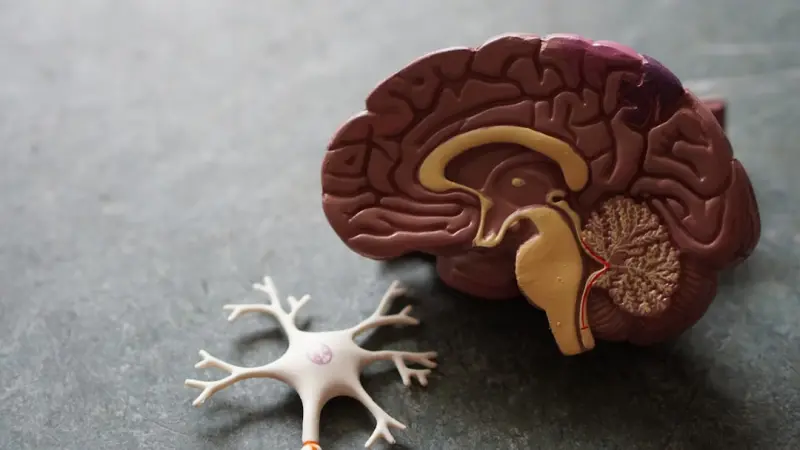
Nurturing Your Newborn’s Brain: A Sensory‑First Approach to Infant Health
A detailed guide for parents on how to create a calming, multi‑sensory environment that supports newborn brain development, sleep, and overall health, featuri...Read More

When the Night Won’t Let You Lead: Unpacking Insomnia’s Toll on Remote Teams
Insomnia is silently draining the cognitive power of remote workers. This post reveals why traditional sleep tips fall short, how data and AI can pinpoint risk,...Read More

Why Small Businesses Should Rethink Health Insurance as a Talent Magnet
Health insurance can be a powerful recruitment tool when positioned as a talent magnet. This post shows small businesses how to leverage telehealth, value‑bas...Read More

Nourish to Thrive: A Holistic Nutrition Reset for Busy Lives
A fresh, holistic guide to fueling your body amid a hectic schedule—learn how to balance macros, support gut health, and make sustainable food choices that ke...Read More
0 Comments
Post Comment
You will need to Login or Register to comment on this post!