
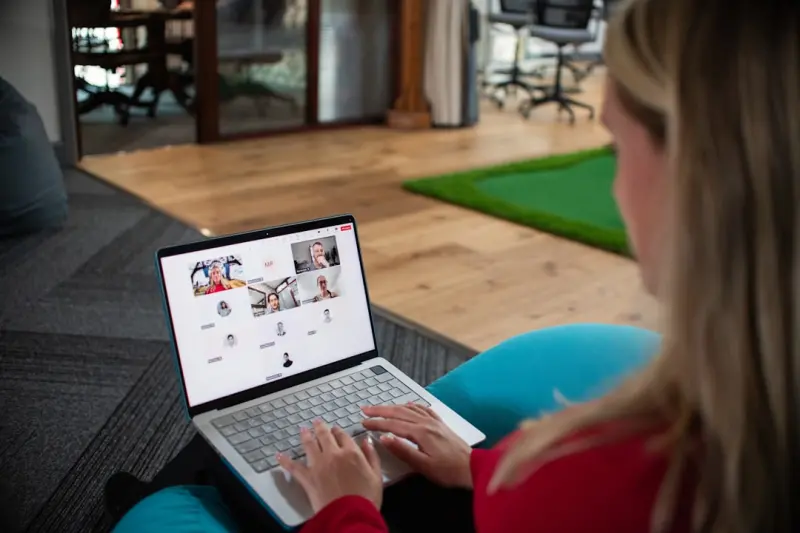
When I first joined a fully remote startup, I was thrilled by the freedom to work from a sunlit balcony in Barcelona or a cozy cabin in the Rockies. Yet, as the months rolled on, a surprisingly sticky issue kept surfacing in our all‑hands meetings: health insurance. Not the boring, “what does my plan cover?” kind of conversation, but a strategic dialogue about how the very policies that protect our health could become a lever for talent attraction, employee well‑being, and even bottom‑line growth.
Why Health Insurance Is No Longer a “Nice‑to‑Have” for Remote Teams
Traditional office‑centric companies have long bundled health benefits with a physical workspace. The logic was simple: you provide a roof, a desk, and a health plan; employees show up, you get productivity. Remote work shatters that equation. Without a central office, health insurance becomes the most tangible, consistent touchpoint between employer and employee. It’s the safety net that says, “We’ve got your back, wherever you are.” In practice, this means:
- Recruitment magnetism: Top talent evaluates offers through the lens of total compensation, and a robust, flexible health plan can tip the scales.
- Retention glue: When life throws a curveball—unexpected surgery, mental‑health challenges, or a chronic condition—a solid policy reduces the temptation to jump ship.
- Performance catalyst: Employees who feel secure about their health are more likely to engage fully, innovate, and take calculated risks.
In short, health insurance is morphing from a static perk into a dynamic, competitive asset. If you’re still treating it as an afterthought, you’re leaving value on the table.
Designing a Remote‑Friendly Health Benefits Strategy
Creating a benefits package that resonates across time zones, cultures, and regulatory landscapes isn’t a one‑size‑fits‑all endeavor. Below are the pillars that have helped forward‑thinking remote‑first companies stay ahead of the curve.
1. Offer a Choice Architecture
Employees differ wildly in their health needs. A single “one plan fits all” model is a relic of the past. Modern platforms let you present a curated menu of plans—high‑deductible, HSA‑compatible, telehealth‑heavy, or comprehensive family coverage. By letting people pick, you empower them to align benefits with their personal circumstances.
2. Embrace Telemedicine and Digital Health
Remote workers already live in a digital world; their health benefits should reflect that reality. Telehealth services, virtual mental‑health counseling, and AI‑driven symptom checkers reduce friction and cut costs. Companies that partner with platforms offering 24/7 video visits report a 20‑30% drop in missed appointments and higher satisfaction scores.
3. International Coverage Matters
One of the biggest blind spots for remote employers is cross‑border compliance. If you have staff in Europe, Canada, or emerging markets, you need a plan that either offers global coverage or integrates with local insurers. Some providers specialize in “global employee benefits,” handling currency conversion, local regulations, and even culturally relevant wellness programs.
4. Prioritize Preventive Care
Preventive services—annual physicals, vaccinations, screenings—are the unsung heroes of a healthy workforce. When you embed these into your benefits package, you’re not just ticking a box; you’re investing in long‑term productivity. A recent analysis showed that companies that fully cover preventive care see a 12% reduction in absenteeism over two years.
5. Transparency and Education
Even the most generous plan can become a source of confusion if employees don’t understand it. Host quarterly “benefits webinars,” create a searchable knowledge base, and use plain language summaries. When people know how to use their policy, utilization climbs and perceived value skyrockets.
Turning Policy Details into Real Wellness Benefits
It’s easy to get lost in the jargon of deductibles, co‑pays, and out‑of‑network clauses. The key is to translate those details into everyday wellness outcomes. For instance, if your plan covers a certain number of “wellness visits” per year, encourage employees to schedule them proactively—think nutrition counseling, stress‑management workshops, or ergonomic assessments for home offices.
In fact, one of my favorite case studies is the Health Insurance as a Creative Ally article, which shows how a tech firm turned a standard PPO into a “wellness stipend” that employees could allocate toward yoga classes, mindfulness apps, or even a standing desk. The result? A measurable lift in employee satisfaction and a modest dip in healthcare claim costs.
Data‑Driven Benefits: Using Analytics to Refine Your Offerings
Data isn’t just for product teams. Benefits administrators can harness claim data, utilization patterns, and employee feedback to iterate on their health plans. Think of it as a continuous improvement loop:
- Collect: Pull anonymized claim data and survey responses each quarter.
- Analyze: Spot trends—are employees under‑using mental‑health services? Are certain preventive screenings being missed?
- Act: Adjust coverage, negotiate better rates with providers, or launch targeted awareness campaigns.
- Measure: Track changes in utilization, employee health outcomes, and cost metrics.
When done responsibly, this approach can uncover hidden levers of cost savings while simultaneously boosting employee well‑being. For a deeper dive into how real‑time data can empower health decisions, see the piece on Turning Flare Into Insight.
Addressing Mental Health: The Silent Pillar of Remote Wellness
Remote work can blur the line between personal and professional life, leading to isolation, burnout, and anxiety. Health insurance plans that include robust mental‑health coverage—counseling sessions, digital therapy apps, and crisis lines—are no longer optional; they’re essential. Here’s how to make mental health a cornerstone of your benefits strategy:
- Zero‑Copay Therapy: Negotiate plans where the first few therapy sessions are fully covered.
- Digital Therapeutics: Offer subscriptions to evidence‑based platforms like CBT‑based apps that employees can use on their own schedule.
- Stigma‑Free Communication: Share stories from leadership about using mental‑health resources to normalize the conversation.
When employees feel supported mentally, they’re more resilient, creative, and collaborative—qualities that directly feed your company’s innovation engine.
Future‑Proofing: What’s Next for Health Insurance in Remote Work?
We’re standing at the intersection of technology, healthcare, and work culture. The next wave of health benefits will likely include:
- Personalized Health Plans: AI‑driven risk assessments that suggest customized coverage tiers based on individual health profiles.
- Integrated Wellness Ecosystems: Platforms that sync fitness trackers, nutrition logs, and sleep data with insurance dashboards, rewarding healthy behaviors with lower premiums.
- On‑Demand Care: Pay‑per‑use models where employees can book a specialist consultation for a single session without a full‑blown plan.
Adopting these innovations early can position your organization as a leader in employee‑centric benefits, attracting talent that values forward‑thinking workplaces.
Action Checklist for Leaders
Ready to turn health insurance into a strategic advantage? Use this quick checklist to audit your current program and identify high‑impact upgrades.
- Map Your Workforce: Identify where employees are located and their primary health needs.
- Audit Current Coverage: List what’s included, excluded, and how easy it is to claim.
- Survey Employees: Gather feedback on satisfaction, pain points, and desired additions.
- Explore Flexible Platforms: Look for insurers that offer modular plan components and global extensions.
- Integrate Telehealth: Ensure 24/7 virtual care is part of the core offering.
- Set Up Analytics: Implement a dashboard to track utilization and cost trends.
- Communicate Transparently: Launch an internal campaign with clear FAQs and live Q&A sessions.
- Iterate Quarterly: Revisit the data, adjust coverage, and celebrate wins with the team.
By treating health insurance as a living, evolving program rather than a static contract, you’ll unlock a hidden engine of employee loyalty and performance.
Closing Thoughts
Health insurance isn’t just a line item on the payroll ledger; it’s a strategic bridge between your company’s mission and the lived experience of every remote worker. When you design a benefits ecosystem that’s flexible, data‑informed, and human‑centric, you’re not merely offering coverage—you’re fostering a culture where people can thrive, innovate, and stay for the long haul.
So, the next time you sit down with your CFO and HR lead, ask not just “How much does it cost?” but “What value can we create together?” The answer might just be the competitive edge you’ve been looking for.

Sarah Gray is a proud Canadian who calls Brampton home, where she lives with her husband, Paul. A passionate home cook and gifted storyteller, Sarah loves creating delicious recipes and sharing stories inspired by everyday life, family, and cherished experiences. When she isn't experimenting in the kitchen, she's busy crafting engaging content that reflects her warmth, creativity, and love of connection. Above all, Sarah treasures time spent with her grandchildren, embracing every opportunity to create lasting memories with the people she loves most.
Related Posts
Transparent Health‑Insurance Pricing: The Strategic Advantage Your Business Is Missing
A deep dive into why demystifying health‑insurance premiums, deductibles, and out‑of‑pocket li... Read More

Health Insurance in 2024: Why Holistic Coverage Is the New Must‑Have
Health insurance is evolving beyond basic medical visits. Discover why holistic coverage, mental‑h... Read More

Turning Your Health Insurance Into a Personal Wellness Engine
Discover a fresh perspective on health insurance that moves beyond emergency coverage. This guide sh... Read More
Top Posts

Paula Wright’s Holistic Blueprint for Managing Blood Pressure Naturally
Paula Wright shares her personal, holistic roadmap to managing blood pressure—combining diet, movement, mindfulness, and sleep for lasting, drug‑free result...Read More

Physiotherapy for the Digital Nomad: Keeping Mobility on the Move
Discover a mobile‑first physiotherapy toolkit and daily routines that help digital nomads prevent pain, boost performance, and maintain health on the go....Read More

Why Stress Management Is the Missing Piece in Your Prediabetes Plan
Chronic stress silently drives blood sugar higher and sabotages insulin sensitivity. Learn why cortisol matters, how sleep, diet, and mindful breaks can lower g...Read More

Sleep‑Powered Detox: Harnessing Nighttime Recovery for a Cleaner Body
Explore why sleep is the most powerful detox tool, learn evidence‑based habits to amplify your body’s nightly cleansing, and adopt a simple nightly ritual t...Read More
0 Comments
Post Comment
You will need to Login or Register to comment on this post!