
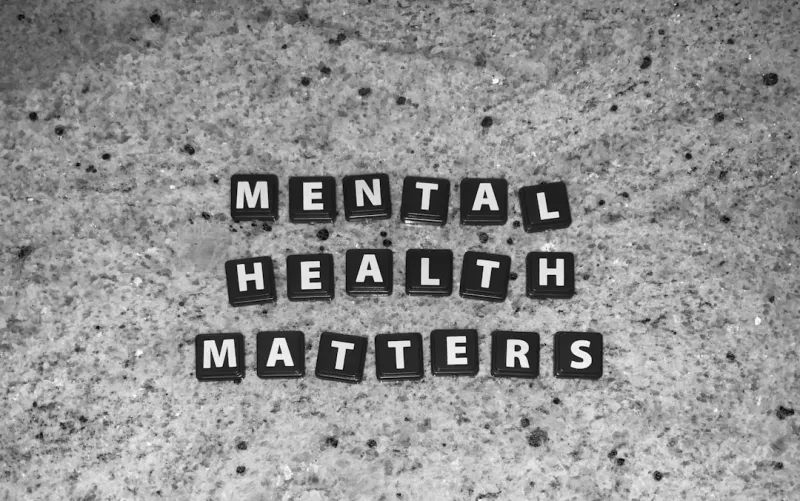
Why 2026 Feels Like a Turning Point for Mental Wellness
Standing at the crossroads of personal experience and cultural momentum, I can’t help but notice how 2026 has become a watershed moment for mental health, where old taboos are finally cracking open under the weight of honest conversation and scientific curiosity. Stigma is eroding not just because influencers talk about therapy, but because workplaces are mandating mental‑wellness check‑ins, schools are integrating mindfulness into curricula, and insurance providers are covering holistic modalities that once lived on the fringe. In my own journey, the shift feels like stepping from a dim hallway into a sunlit atrium, where the doors to self‑care are no longer guarded by shame but flung wide open for anyone willing to walk through.
From Viral Trends to Lasting Practices: The Evolution of Self‑Care
When I first tried the viral “30‑Day Breath Challenge” on TikTok, I expected a fleeting dopamine hit, yet the practice lingered, reshaping my baseline anxiety levels and teaching me that consistency trumps novelty in mental health work. The real breakthrough came when I paired breathwork with nutrition, discovering that gut‑brain communication can amplify calm, a concept echoed in the latest research linking probiotics to mood regulation. This synthesis of ancient techniques and cutting‑edge science illustrates why today’s self‑care is less about quick fixes and more about building a resilient internal ecosystem that can weather external storms.
Holistic Healing: The Interplay Between Body and Mind
My own health blueprint has expanded to include regular blood‑pressure monitoring, liver‑supporting foods, and targeted movement, because I’ve learned that mental clarity often follows physical balance, a truth I explored in depth while reading Mastering Blood Pressure: A Holistic Guide for 2026. When my systolic numbers began to dip, my panic attacks receded, confirming that physiological stability can act as a quiet guardian of mental equilibrium. By treating the body as an ally rather than a separate entity, I’ve cultivated a feedback loop where each healthy habit reinforces the next, creating a cascade of wellbeing that feels both intentional and effortless.
Digital Therapists and AI: Friends, Not Replacements
Artificial intelligence has entered the mental‑health arena with chatbots that can offer 24/7 listening, mood tracking, and evidence‑based coping strategies, and I’ve found that these tools serve as a valuable bridge between crisis moments and professional care. While I still cherish the depth of face‑to‑face therapy, the immediacy of AI‑driven platforms allows me to journal thoughts, receive gentle prompts, and practice CBT techniques when I’m alone in my kitchen at 2 a.m. This hybrid model underscores a broader truth: technology can amplify human connection, not diminish it, when we remain discerning about its role in our personal healing journey.
Community as Medicine: The Power of Shared Stories
There is an undeniable alchemy that happens when you sit in a circle of strangers who are also navigating mental health challenges, and my participation in local peer‑support groups has reminded me that vulnerability is a catalyst for collective strength. In one session, a fellow member shared a breakthrough from the article Finding Balance: My 2026 Mental Health Blueprint, and the ripple effect was immediate: we all left with new tools, fresh perspectives, and a sense of belonging that no solitary meditation can replicate. This communal reinforcement is why I now prioritize weekly check‑ins with my support circle, viewing them as essential as any medication or therapy session.
Self‑Compassion in Action: Journaling and Intentional Reflection
Journaling, once a sporadic habit for me, has transformed into a daily ritual that anchors my thoughts, surfaces hidden emotions, and guides intentional action, especially when I pair it with the insights from Reimagining Mental Health in 2026: A Holistic Journey to Inner Freedom. By writing with a compassionate lens—asking “What does my inner child need right now?” instead of “Why am I failing?”—I’ve learned to reframe setbacks as opportunities for growth rather than evidence of inadequacy. This practice not only reduces rumination but also builds a mental archive of resilience that I can revisit during tougher periods, turning past struggles into a roadmap for future triumphs.
Future‑Focused Research: Neuroplasticity and Lifestyle Design
The scientific community’s focus on neuroplasticity this year has unveiled that our brains remain remarkably adaptable well into adulthood, especially when we deliberately cultivate habits that challenge old patterns. Emerging studies suggest that combining mindfulness, aerobic exercise, and nutrient‑dense diets can literally rewire stress pathways, a finding that aligns perfectly with my holistic philosophy and fuels optimism for anyone seeking lasting change. As I integrate these evidence‑based strategies into my routine, I feel like a pioneer on a personal frontier, charting a course that blends curiosity, discipline, and hope for a brighter mental landscape.
Taking the Leap: Your Invitation to a Holistic Mental Health Revolution
If you’re reading this and feeling that familiar tug of curiosity mixed with a dash of skepticism, I invite you to experiment with one small, evidence‑backed habit this week—whether it’s a five‑minute breath exercise, a probiotic‑rich meal, or a brief check‑in with an AI‑assisted mood tracker—and observe the ripple effects on your overall wellbeing. Remember, transformation rarely arrives in grand gestures; it unfolds through consistent, compassionate choices that honor both mind and body. Join me in this ongoing conversation, share your breakthroughs, and let’s co‑create a community where mental health is celebrated as a vibrant, dynamic part of our daily lives.

Kelly Reynolds is a dynamic freelance writer hailing from the picturesque landscapes of Alberta. A master of the written word, she juggles her passion for storytelling with the exhilarating chaos of being a mother to five spirited children. With an impressive portfolio that spans various genres, Kelly captivates readers through her engaging blog posts and thought-provoking articles.
Related Posts
Engineering Resilience: Mental Health in a Hyper‑Connected Age
A systems‑engineer’s guide to mental well‑being, this post shows how to map inputs, create fee... Read More

Rewriting the Inner Narrative: A Tactical Guide to Mental Fitness for High‑Achievers
A practical guide for leaders to capture, deconstruct, and rewrite their inner narrative, turning se... Read More

Digital Dawn: Reclaiming Calm in a Hyper‑Connected World
A pragmatic guide to protecting mental well‑being amidst constant connectivity, featuring micro‑... Read More
Top Posts
Chrono‑Nutrition: Aligning Meals with Your Body Clock for Healthy Aging
Chrono‑nutrition syncs meal timing with your internal clock, enhancing metabolism, reducing inflammation, and supporting brain and muscle health for a more vi...Read More

Reclaiming Heritage: How Cultural Cooking Can Transform Prediabetes
A fresh take on prediabetes: use your cultural dishes as a foundation for metabolic health by swapping smart ingredients, adding spices, and turning the kitchen...Read More

Beyond the Mirror: A Holistic View of Eating Disorders
A personal, holistic guide to overcoming eating disorders, focusing on mind‑body connections, community, and integrative health strategies for sustainable hea...Read More

Listening to the Whisper: A Holistic Pregnancy Journey
A heartfelt, holistic guide to pregnancy that blends mindful nutrition, gentle movement, detox strategies, and emotional resilience for thriving mothers and bab...Read More
0 Comments
Post Comment
You will need to Login or Register to comment on this post!