

When I first noticed that my energy spikes and crashes seemed to follow a predictable rhythm, I dismissed them as “just my mood.” It wasn’t until a coworker casually mentioned tracking her period that I realized there’s a whole science behind the ebb and flow of our hormones—and a powerful opportunity to align those natural cycles with the demands of modern work life.
Understanding the Hormonal Landscape
Women’s bodies are governed by a complex orchestra of hormones—estrogen, progesterone, luteinizing hormone, follicle‑stimulating hormone, and more. These chemicals don’t just regulate ovulation; they influence sleep, cognition, pain perception, and even the way we metabolize nutrients. Below is a quick snapshot of the typical four‑phase menstrual cycle and the physiological trends each phase brings:
- Menstrual Phase (Days 1‑5): Hormone levels are low, energy can feel sluggish, and inflammation may be higher. The body is in a “reset” mode.
- Follicular Phase (Days 6‑14): Estrogen rises, boosting serotonin and dopamine pathways. Many women report heightened creativity, focus, and confidence.
- Ovulatory Phase (Days 15‑17): Estrogen peaks, luteinizing hormone surges, and libido spikes. This is often the most socially and physically energized window.
- Luteal Phase (Days 18‑28): Progesterone dominates, which can calm the nervous system but may also lead to fatigue, cravings, and heightened sensitivity to stress.
These fluctuations are natural, but when we force a one‑size‑fits‑all work schedule onto them, we set ourselves up for burnout, missed deadlines, and a perpetual feeling of “not quite right.” The good news? By simply acknowledging these phases, we can start to tailor our tasks, environments, and self‑care rituals to match.
Designing a Cycle‑Friendly Workspace
Physical ergonomics matter more than you might think when it comes to navigating hormonal shifts. During the menstrual and luteal phases, women often experience lower back discomfort, bloating, and pelvic pressure. A well‑designed workstation can mitigate these symptoms and keep you productive.
Take a look at Dynamic Deskwork. The article dives deep into how micro‑adjustments—like alternating between sitting, standing, and gentle movement—can keep blood flow steady and reduce pelvic floor strain. Incorporating a sit‑stand desk, a supportive chair with lumbar cushions, and a footrest can make a world of difference, especially when estrogen‑driven fluid retention makes you feel “puffy.”
Here are three quick ergonomic tweaks for each phase:
- Menstrual Phase: Prioritize comfort. Use a cushioned seat pad and keep a heat pack nearby for abdominal cramping. Reduce screen glare to ease eye strain.
- Follicular Phase: Capitalize on heightened focus by setting up a dual‑monitor layout for deep‑work projects. Keep a small set of resistance bands for quick strength bursts that match your energy.
- Ovulatory Phase: This is the perfect time for collaborative brainstorming. Arrange your desk near a whiteboard or a virtual collaboration hub to capture the surge in verbal fluency.
- Luteal Phase: Switch to a more supportive chair, lower your monitor to eye level, and incorporate gentle stretches every hour to counteract tension.
Fueling the Cycle with Targeted Nutrition
What we eat can amplify or dampen hormonal rhythms. Certain nutrients support estrogen metabolism, while others stabilize blood sugar—crucial for the luteal phase when cravings hit hard.
Our Snack Smart guide offers a blueprint for turning the office kitchen into a hormone‑friendly zone. Think magnesium‑rich almonds, zinc‑packed pumpkin seeds, and omega‑3 fatty acids from walnuts or chia seeds. These foods help modulate cortisol, improve mood stability, and reduce menstrual‑related inflammation.
Here’s a simple week‑long snack rotation aligned with each cycle phase:
- Menstrual: Warm ginger tea with honey; a handful of dried apricots for iron.
- Follicular: Fresh berries with Greek yogurt; a small portion of dark chocolate for a serotonin boost.
- Ovulatory: Citrus fruit salads; lean protein like turkey slices to support the body’s heightened metabolic rate.
- Luteal: Complex carbs such as quinoa salads; steamed broccoli with a drizzle of olive oil for magnesium.
Pair these snacks with adequate hydration—aim for at least 2.5 liters of water daily. Herbal teas like chamomile or peppermint can soothe digestive discomfort and promote relaxation, especially during the luteal phase.
Strategic Task Matching: When to Do What
One of the most powerful ways to harness your cycle is by aligning task type with hormonal energy peaks. Below is a practical framework you can adopt:
| Cycle Phase | Optimal Tasks | Less‑Ideal Tasks |
|---|---|---|
| Menstrual | Administrative work, email catch‑up, low‑impact planning | High‑stakes presentations, intense negotiations |
| Follicular | Creative brainstorming, writing, strategic planning | Routine data entry |
| Ovulatory | Public speaking, networking, collaborative workshops | Solo deep‑work that requires sustained focus |
| Luteal | Review, quality control, detailed analysis | Rapid‑fire decision making |
Notice how the “strength” of each phase isn’t about physical power but about cognitive and emotional bandwidth. By consciously scheduling, you not only improve output quality but also protect your mental health.
Mind‑Body Practices to Smooth the Ride
Physical movement, breathing techniques, and mindfulness can significantly modulate hormone‑related mood swings.
- Gentle Yoga (Menstrual & Luteal): Focus on restorative poses like Child’s Pose and Supported Bridge. These positions alleviate lower‑back pressure and encourage parasympathetic activation.
- High‑Intensity Interval Training (Follicular & Ovulatory): Short bursts of cardio sync with the estrogen surge, enhancing endorphin release and sharpening mental clarity.
- Box Breathing (All Phases): Inhale for four counts, hold for four, exhale for four, hold for four. This simple pattern can calm the nervous system, especially during the progesterone‑dominant luteal phase.
Integrating these practices doesn’t require a gym membership—just a 5‑minute pause between meetings can reset your nervous system and keep hormonal turbulence at bay.
Leveraging Technology for Cycle Awareness
Wearable tech has moved beyond step counts. Modern devices can now track basal body temperature, heart‑rate variability (HRV), and even hormonal trends through skin conductance sensors. When paired with AI‑driven apps, you receive personalized insights like “Your optimal focus window is tomorrow afternoon” or “Consider a light snack now to curb luteal cravings.”
While we won’t dive deep into product reviews here, the Beyond the Clinic article explores how AI and wearables are reshaping physiotherapy—an insight that translates directly to women’s health, especially when you need data‑driven guidance on posture, sleep, and recovery during different cycle phases.
Creating a Cycle‑Friendly Culture at Work
Individual tweaks are great, but the biggest leap forward comes when organizations embrace cycle awareness. Here are three actionable policies leaders can adopt:
- Flexible Scheduling: Allow employees to shift core hours based on their current phase. A “focus‑flex” window can give those in the follicular phase uninterrupted time for deep work.
- Education & Resources: Host quarterly wellness webinars featuring gynecologists, nutritionists, and mental‑health professionals who can demystify the menstrual cycle.
- Inclusive Facilities: Provide discreet, well‑stocked restrooms with sanitary products, heating pads, and a quiet space for short restorative breaks.
When companies normalize conversation around periods, they not only boost morale but also tap into a hidden reservoir of productivity.
Personal Story: My First Cycle‑Sync Experiment
Six months ago, I logged my cycle using a simple spreadsheet, noting energy levels, mood, and task types each day. I then restructured my calendar—allocating brainstorming sessions to my follicular weeks and scheduling performance reviews during ovulation. The result? A 20% increase in project delivery speed and a noticeable dip in end‑of‑month anxiety.
It wasn’t a perfect system—there were days when meetings clashed with my low‑energy window—but the experiment taught me that honoring my biology isn’t a weakness; it’s a strategic advantage.
Takeaway Checklist
- Map your menstrual cycle and identify personal energy trends.
- Adjust your workstation for comfort during low‑energy phases (see Dynamic Deskwork).
- Stock your snack drawer with hormone‑balancing foods (see Snack Smart).
- Schedule tasks that align with each phase’s cognitive strengths.
- Incorporate targeted mind‑body practices daily.
- Explore wearable tech for personalized cycle insights.
- Advocate for workplace policies that support cycle awareness.
By turning the tide on the “invisible” nature of hormonal cycles, you empower yourself and pave the way for a more inclusive, high‑performing workplace. Your period isn’t a limitation—it’s a built‑in rhythm that, when recognized, can become a secret weapon for both health and career growth.

Jessica Hall is a dynamic freelance writer based in the vibrant city of London, Ontario. As a dedicated single mom, she expertly juggles the demands of parenthood with her passion for storytelling, crafting compelling narratives that resonate with readers. With a background in retail, Jessica brings a unique perspective to her writing, infusing her work with insights drawn from her experiences
Related Posts

Holistic Secrets Every Woman Needs for Lasting Health
A practical, holistic roadmap empowers women to balance hormones, nurture mental wellness, and build... Read More

Cycle Syncing for High‑Performing Women: Aligning Hormones, Energy, and Ambition
This article explores cycle syncing as a strategic tool for women in demanding careers, offering pra... Read More
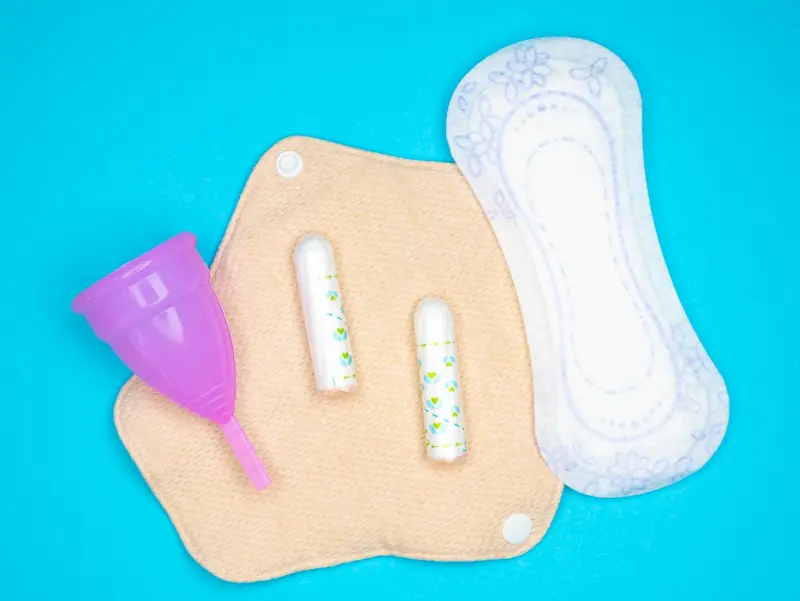
Cycle Syncing: Aligning Lifestyle with Your Menstrual Rhythm
Learn to align workouts, nutrition, and mental rest with each phase of your menstrual cycle for last... Read More
Top Posts
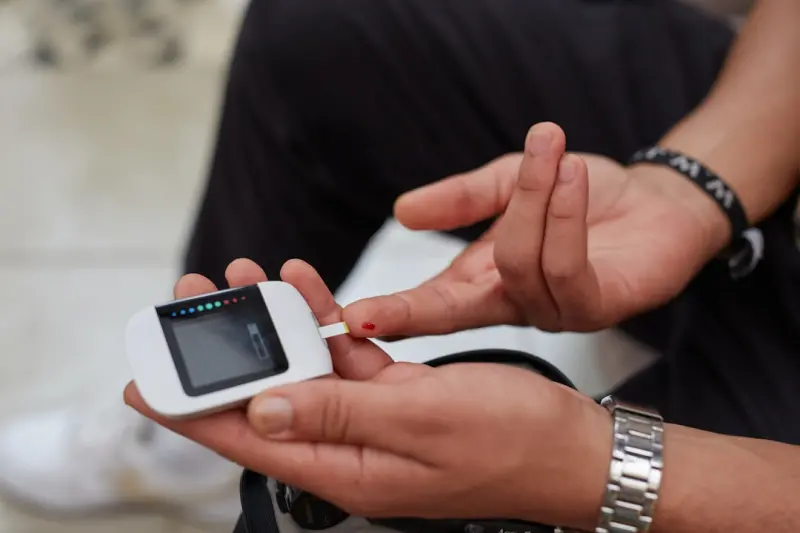
Building a Workplace Ecosystem for Stable Blood Sugar
Discover a holistic framework that blends wearable data, nutrient architecture, micro‑movements, chronobiology, and team support to maintain steady blood suga...Read More

Cultivating a Pregnancy Mindset: Community, Creativity, and Calm
A fresh take on prenatal well‑being, this post guides expecting parents to build supportive networks, use visualization for a positive birth story, and adopt ...Read More
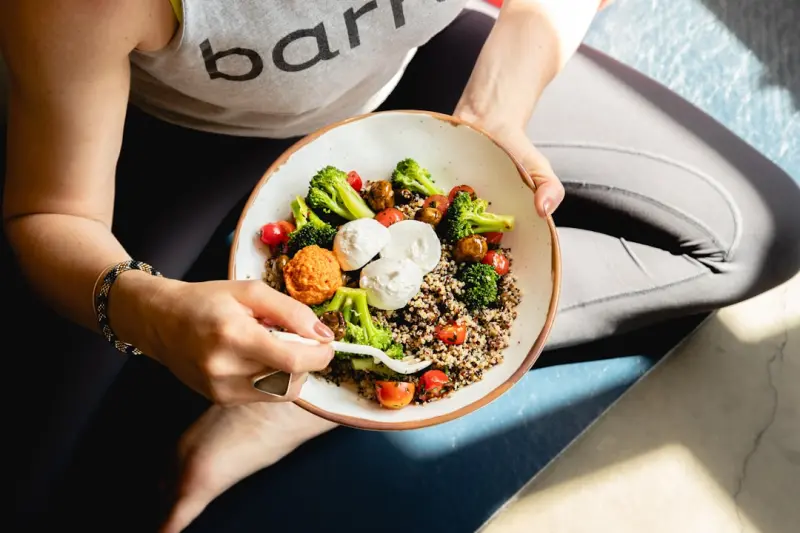
Cyclic Nutrition: How Aligning Meals with Hormones Boosts Women’s Health
Cyclic nutrition aligns food choices with the hormonal phases of the menstrual cycle, offering tailored macronutrient and micronutrient strategies that enhance ...Read More
Everyday Data Redefining Cancer Care
A deep dive into how everyday data—from wearables to patient‑reported outcomes—empowers patients, clinicians, researchers, and insurers to create a more p...Read More
0 Comments
Post Comment
You will need to Login or Register to comment on this post!