

When I first heard the phrase “AI in oncology,” I imagined a sleek robot delivering chemotherapy in a sterile hallway. The reality, however, is far richer—and far more human. Over the past few years, artificial intelligence has slipped from the labs of tech giants into the exam rooms of community hospitals, the living rooms of patients scrolling through telehealth portals, and the boardrooms where health systems decide where to allocate scarce resources. As someone who has spent a decade navigating the tangled pathways of cancer care—both as a patient advocate and as a data‑driven strategist—I’ve watched this transformation unfold in real time, and I’m convinced we’re standing on the brink of a new era of empowerment.
From Black‑Box to Transparent Companion
For many clinicians, the biggest barrier to adopting AI has been trust. Early machine‑learning models were often described as “black boxes,” delivering a risk score without explaining the why. That opacity fed skepticism: “If I can’t explain the recommendation to my patient, how can I rely on it?” Today, a wave of explainable AI (XAI) tools is changing the conversation. By highlighting the specific imaging features, genomic markers, or lifestyle variables that drive a prediction, these systems invite clinicians to interrogate, validate, and ultimately own the insight.
One vivid example comes from a pilot program at a regional cancer center that integrated an XAI platform into its breast‑cancer screening workflow. Radiologists received a heat‑map overlay on mammograms, pinpointing the pixel clusters that most heavily influenced the algorithm’s malignancy score. Rather than replacing the radiologist’s judgment, the tool acted as a second pair of eyes—prompting a deeper review in 12% of cases that might have otherwise been classified as “benign.” The result? A modest but statistically significant boost in early detection rates, and, perhaps more importantly, a renewed sense of collaborative confidence between human and machine.
Personalized Treatment Pathways Powered by Data
Beyond detection, AI is rewriting the treatment playbook. Traditional oncology has relied on broad protocols—“if stage III lung cancer, then regimen X.” While these guidelines are evidence‑based, they rarely account for the nuanced mosaic of each patient’s genetic profile, comorbidities, and even social determinants of health.
Enter treatment‑recommendation engines that synthesize electronic health records, genomic sequencing, and real‑world outcomes from thousands of patients. By scoring potential therapies against a composite risk‑benefit matrix, these platforms can suggest regimens that align with a patient’s unique biology and life circumstances. In practice, this means a 55‑year‑old mother of two with a KRAS‑mutated colorectal tumor might receive a recommendation for a targeted therapy that spares her from the debilitating neuropathy associated with standard chemotherapy—a recommendation that would have been invisible without AI’s pattern‑recognizing muscle.
It’s not just the oncology team that benefits. Patients, too, are becoming active participants in the decision‑making process. When a treatment recommendation is presented alongside a clear, data‑backed rationale—complete with projected side‑effect profiles and quality‑of‑life forecasts—patients feel more agency. They can weigh trade‑offs with a granularity that was previously reserved for clinicians alone.
Digital Empathy: AI‑Driven Support Networks
While algorithms excel at crunching numbers, they can also foster human connection when integrated thoughtfully. One emerging trend is the use of AI chatbots to triage emotional distress and connect patients with peer‑support groups. These bots analyze language cues, sentiment, and even typing speed to flag moments of heightened anxiety or hopelessness. When a red flag is raised, the system can automatically suggest a moderated forum, a virtual support circle, or a tele‑counselor session.
In a recent digital detox initiative at a major cancer hospital, patients who engaged with an AI‑guided mindfulness app reported a 30% reduction in self‑reported stress after three weeks. The app didn’t replace human therapists; it acted as a bridge—offering immediate, low‑threshold relief while patients waited for their next counseling appointment.
Financial Navigation Made Smarter
Financial toxicity is a silent side effect of cancer treatment. Unexpected co‑pays, mileage reimbursements, and the cost of ancillary services can quickly erode a family’s savings. AI is now stepping into the realm of financial counseling, analyzing a patient’s insurance benefits, treatment plan, and regional cost data to forecast out‑of‑pocket expenses.
One startup has built a tool that integrates with hospital billing systems to generate a personalized cost‑projection dashboard for each patient. The dashboard breaks down projected expenses month‑by‑month, flags potential savings opportunities (such as clinical trial eligibility or generic drug alternatives), and even recommends charitable assistance programs. Early adopters report that patients who receive these transparent forecasts are more likely to adhere to their treatment schedules, reducing the risk of therapy interruption due to unaffordable costs.
The Role of Real‑World Evidence (RWE)
Clinical trials remain the gold standard for establishing efficacy, but they represent a narrow slice of the patient population. AI can mine real‑world evidence from registries, wearable devices, and patient‑reported outcomes to fill those gaps. By aggregating data from thousands of patients post‑approval, AI models can identify emerging safety signals, effectiveness trends in under‑represented groups, and even optimal sequencing of therapies.
For example, an AI analysis of wearable‑derived activity data revealed that patients who maintained a baseline of 5,000 steps per day during radiation therapy experienced fewer fatigue‑related dose reductions. This insight prompted a prospective study that now incorporates activity goals into supportive care protocols—a clear illustration of how RWE can loop back into clinical practice.
Ethical Guardrails and the Human Touch
All of these advances are exhilarating, but they come with a responsibility to guard against bias, privacy breaches, and over‑reliance on technology. AI systems trained on datasets that under‑represent certain ethnicities or socioeconomic groups can inadvertently perpetuate disparities. Transparent validation, ongoing auditing, and inclusive data collection are non‑negotiable.
Moreover, the human touch remains irreplaceable. A compassionate oncologist who pauses to listen, a nurse who holds a hand during a tough infusion, and a family member who shares a laugh—these moments cannot be digitized. The most successful AI deployments I’ve witnessed are those that augment, rather than replace, these core human interactions.
Looking Ahead: A Collaborative Horizon
As we look to the future, I envision a cancer ecosystem where AI, clinicians, patients, and caregivers co‑create pathways that are simultaneously precise, humane, and financially sustainable. Imagine a world where a patient’s diagnostic journey begins with a low‑dose CT scan analyzed in seconds by an AI model, followed by a virtual tumor board that convenes specialists across continents, and concludes with a personalized care plan delivered through a patient‑centric portal that offers real‑time financial, emotional, and logistical support.
That vision is not a distant fantasy—it is already taking shape in pockets across the globe. The challenge for us, as a community of innovators, providers, and advocates, is to ensure that the technology serves the patient first, and that the promise of AI translates into tangible, equitable outcomes for every person fighting cancer.
Practical Steps for Clinicians and Patients
- Stay Informed: Subscribe to reputable AI‑in‑healthcare newsletters and attend interdisciplinary webinars that bring together data scientists, oncologists, and ethicists.
- Pilot Small, Scale Wisely: Start with a single AI tool—perhaps an imaging adjunct or a treatment‑selection engine—and evaluate its impact on workflow and patient outcomes before expanding.
- Prioritize Explainability: Choose platforms that provide clear rationales for their recommendations, enabling you to discuss them openly with patients.
- Champion Equity: Advocate for diverse training datasets and push vendors to disclose performance metrics across different demographic groups.
- Integrate Support Services: Pair AI‑driven clinical tools with psychosocial resources, such as the AI‑enabled chatbot mentioned earlier, to address the whole person.
- Leverage Financial Forecasting Tools: Use AI cost‑projection dashboards to have honest conversations about affordability early in the treatment planning process.
By weaving together technology, empathy, and a relentless focus on equity, we can transform the cancer journey from a series of daunting checkpoints into a collaborative, data‑enriched adventure—one where patients feel seen, heard, and truly supported.

Related Posts
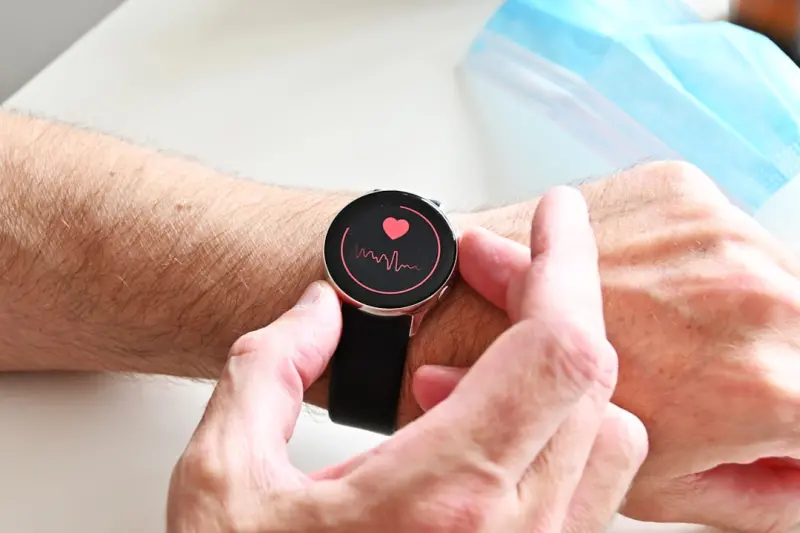
When Sensors Talk: Wearables, AI, and the New Early Detection Era for Cancer
A deep dive into how continuous health monitoring, AI-powered pathology, and gut microbiome insights... Read More

The Quiet Revolution: How Shared Stories and Digital Communities Are Redefining Cancer Support
Exploring the power of narrative medicine and modern digital communities, this piece reveals how sha... Read More

Everyday Data Redefining Cancer Care
A deep dive into how everyday data—from wearables to patient‑reported outcomes—empowers patien... Read More
Top Posts

The Weight‑Loss Narrative: Turning Your Body Goals into a Compelling Story
Discover how framing your weight‑loss journey as a story—complete with heroes, conflicts, and milestones—can boost motivation, integrate data, and create ...Read More

Beyond the Scale: Re‑imagining Eating Disorder Support in a Hyper‑Connected World
A deep dive into how workplace culture, digital tools, and a shift from willpower to whole‑person alignment can transform the way we understand and support th...Read More

Breathing New Life Into Sleep Apnea Management
Learn how diaphragmatic breathing, wearable tech, and simple lifestyle tweaks can transform sleep apnea management and bring calmer, more restful nights....Read More

When Nightmares Attack: Unraveling Adult Sleep Terrors
Sleep terrors can haunt adults just as they do children. Discover the brain’s role, everyday triggers, and practical strategies—from creative rituals to nat...Read More
0 Comments
Post Comment
You will need to Login or Register to comment on this post!