

Why Connection Matters More Than Ever
When we talk about healthy aging, the conversation often lands on diet, exercise, and sleep. Those pillars are undeniably important, but there’s a fourth, quieter pillar that’s gaining traction in the research community: social connection across generations. The simple act of sharing experiences, skills, and stories with younger people can trigger physiological changes that protect the brain, boost immunity, and even influence how our cells age.
The Science Behind Intergenerational Interaction
Multiple studies have shown that meaningful social interaction stimulates the release of oxytocin and brain‑derived neurotrophic factor (BDNF). Both hormones are linked to reduced inflammation, enhanced neuroplasticity, and better stress regulation. When seniors engage with younger participants—whether through formal mentorship programs, community workshops, or casual coffee chats—these neurochemical cascades are activated repeatedly, creating a “use‑it‑or‑lose‑it” effect for the brain.
Beyond the brain, recent epigenetic research suggests that the emotional richness of intergenerational bonding can influence gene expression related to telomere length. Longer telomeres are associated with slower cellular aging, meaning that a weekly story‑telling session could literally add years to your DNA.
From Theory to Practice: Real‑World Models That Work
Here are three proven frameworks that you can adopt—or adapt—to embed intergenerational mentorship into everyday life:
- Community Skill‑Swap Circles: Groups where seniors teach a craft (like woodworking or knitting) while younger members share digital skills (social media, basic coding). The exchange creates reciprocal learning and a sense of purpose for all parties.
- Story‑Sharing Pods: Small, intimate gatherings where older adults narrate personal histories, cultural traditions, or career lessons. The act of storytelling not only preserves heritage but also strengthens memory recall for the narrator.
- Joint Micro‑Adventure Outings: Short, low‑impact excursions—think a local park walk, a community garden visit, or a museum tour—paired with a mentorship component (e.g., seniors guide a youth group through a historic neighborhood). These outings combine physical movement with purposeful interaction.
Case Study: Skill Swaps After 50
One of the most compelling examples of this model is documented in the post Skill Swaps After 50: Turning Hobbies into Health Boosters. Participants reported not only improved mood but also measurable gains in cognitive flexibility after just eight weeks of weekly exchanges. The key takeaway? When learning feels collaborative rather than solitary, the brain’s reward pathways fire more robustly, leading to longer‑lasting neural adaptations.
Micro‑Adventure Outings: A Boost You Might Not Expect
While “micro‑adventures” have been touted for physical health, they also serve a social purpose. The article Tiny Trips, Big Benefits: How Microadventures Boost Senior Health outlines how short, purposeful outings can increase heart‑rate variability—a marker of autonomic nervous system balance—while providing natural conversation starters between ages. The shared novelty of a new experience is a catalyst for bonding.
Designing Your Own Intergenerational Program
Ready to start? Follow this step‑by‑step blueprint:
- Identify Community Hubs: Libraries, senior centers, schools, and co‑working spaces are ideal meeting points.
- Map Complementary Skills: Conduct a simple survey asking seniors what they love to teach and younger participants what they’d like to learn.
- Set a Consistent Schedule: Consistency builds trust. Aim for weekly 60‑minute sessions, alternating focus between skill sharing and storytelling.
- Incorporate Light Physical Activity: A brief walk before or after the session can boost circulation and prepare the brain for learning.
- Measure Impact: Use simple tools like mood scales, short memory quizzes, and biometric markers (e.g., resting heart rate) to track progress over three‑month cycles.
Overcoming Common Barriers
Implementing a new social program isn’t without challenges. Below are frequent obstacles and practical solutions:
- Time Constraints: Offer “pop‑up” sessions that last 20‑30 minutes during lunch breaks or after school.
- Technological Gaps: Pair each senior with a “digital buddy” who can help set up video calls or shared calendars.
- Social Anxiety: Start with small groups (2‑3 participants) and use ice‑breaker activities that focus on shared interests.
- Physical Limitations: Choose venues with wheelchair access, provide seated options, and keep activities low‑impact.
The Ripple Effect: Benefits Beyond the Individual
When a senior feels valued and purpose‑driven, the effect spreads to families, workplaces, and neighborhoods. Younger participants often report increased empathy, better communication skills, and a deeper sense of community responsibility. For businesses, fostering intergenerational mentorship can improve employee retention, boost corporate social responsibility metrics, and even reduce healthcare costs by promoting preventive health behaviors.
Future Trends: Technology Meets Tradition
Emerging platforms are marrying the tactile nature of mentorship with digital convenience. Think of augmented‑reality (AR) overlays that let seniors demonstrate a craft while a younger user follows along on a tablet, or voice‑assistant guided storytelling sessions that record and archive narratives for future generations. While technology can enhance reach, the core principle remains unchanged: authentic human connection is the engine of healthy aging.
Takeaway: Your Next Step Towards a Longer, Fuller Life
If you’re seeking a sustainable, evidence‑backed strategy to age gracefully, consider becoming a mentor—or inviting someone to mentor you. The act of teaching, listening, and sharing is a two‑way street that fuels mental agility, emotional resilience, and even cellular health. Start small, stay consistent, and watch the benefits compound—just like a well‑tended garden.

Related Posts
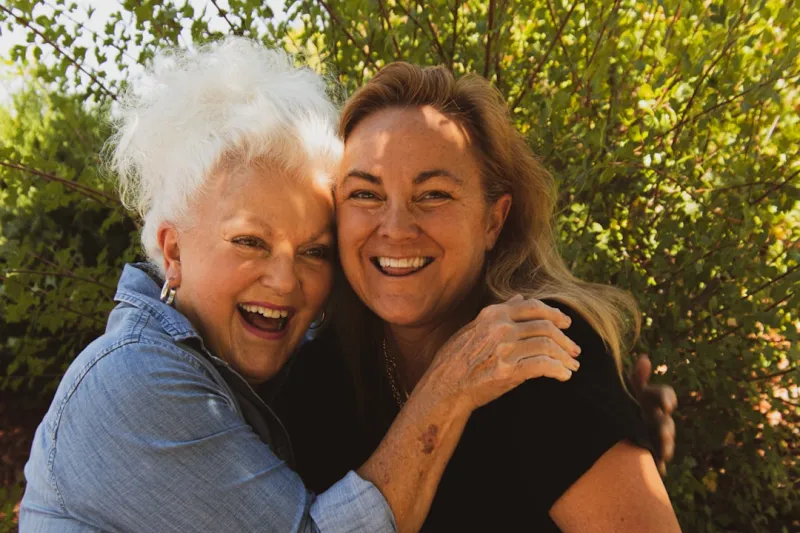
Embracing Holistic Aging: My Journey to Vibrant Longevity
Explore how a holistic mindset transforms aging into a vibrant, purpose‑driven journey—covering ... Read More
Reimagining the Golden Years: A Sensory‑First Blueprint for Vibrant Aging
A sensory‑first blueprint offers a new way to age healthily by engaging sight, sound, taste, touch... Read More
Seasonal Gardening: A Fresh Path to Healthy Aging
Seasonal gardening offers a unique blend of low‑impact exercise, cognitive stimulation, vitamin ... Read More
Top Posts

When the Cloud Meets the Cloud: Rethinking Vaping as a Creative Ally
Deb Roberts shares a novel perspective on vaping, turning the ritual into a strategic tool for focus and creativity. The post outlines practical frameworks, fla...Read More

Rewiring Your Space: How Home Design Can End Insomnia
Learn practical, data‑backed strategies to optimize light, temperature, air quality, and sound in your bedroom, turning your home into a sleep‑friendly envi...Read More
Unlocking Everyday Energy: A Holistic Blueprint for Vibrant Health
A personal guide to harnessing natural energy through holistic habits, from gut balance to mindful movement, offering practical steps to feel vibrant every day....Read More

How Community Rituals Can Turn the Tide on Prediabetes
Learn how everyday community rituals—from group walks to shared meal planning—can dramatically improve glucose control, turning prediabetes into a collectiv...Read More
0 Comments
Post Comment
You will need to Login or Register to comment on this post!