

Why Community Beats Isolation in Eating Disorder Recovery
Recovery from an eating disorder often feels like navigating a foggy road alone, where every step is shadowed by self‑criticism, intrusive thoughts, and the persistent whisper that you are somehow “broken” beyond repair; this internal narrative can tighten its grip when you are cut off from the world, because isolation amplifies the brain’s default mode network, turning rumination into a self‑sustaining echo chamber that deepens the disorder’s hold. Human connection acts like a lighthouse, breaking through the fog by providing external validation, empathy, and a mirror that reflects a more balanced self‑image, allowing you to see beyond the narrow lens of the disorder. Studies in neurobiology reveal that social interaction triggers oxytocin release, which dampens the stress response and creates a physiological environment more conducive to healing, while the simple act of sharing a meal with trusted peers can re‑wire reward pathways that have been hijacked by restrictive or binge patterns. When you step into a circle of people who understand the lived reality of disordered eating, you replace the solitary soundtrack of shame with a chorus of shared experiences, and that chorus becomes a powerful antidote to the isolation that fuels relapse.
The Science of Shared Storytelling and Neural Rewiring
Our brains are wired to learn from stories; when you hear someone articulate the same fears, cravings, or body‑image distortions you wrestle with, the mirror neurons in your frontal cortex fire in synchrony, essentially allowing you to “experience” their coping strategies as if they were your own, which can accelerate the formation of new, healthier neural pathways; this phenomenon is why peer‑led narrative groups have shown measurable reductions in anxiety scores compared to solitary journaling. Moreover, the act of verbally recounting your personal journey activates the prefrontal cortex, a region responsible for executive function and self‑regulation, and the shared emotional resonance of the group creates a safe neurochemical space where cortisol levels dip and serotonin rises, laying a biochemical foundation for sustained change. For those who have felt trapped by the silent dialogues of the disorder, resources like Unmasking the Silent Dialogues That Drive Disordered Eating can illuminate the hidden scripts, but the real transformation occurs when those scripts are spoken aloud, challenged, and rewritten together in a supportive circle.
Practical Steps to Build Peer Support Circles
Starting a peer support circle doesn’t require a clinical degree, just a clear intention to create a space where honesty, confidentiality, and compassion are non‑negotiable, and the first concrete step is to map out local resources—whether it’s a community center, a faith‑based group, or an online platform that aligns with your values—so you can host meetings in an environment that feels safe and neutral; you might even consider partnering with a registered dietitian who can offer occasional guidance without dominating the conversation, ensuring the focus remains on shared lived experience rather than prescriptive advice. Once you have a venue, establish a simple structure: a brief check‑in, a rotating storytelling segment, and a closing ritual such as a gratitude round or a mindful breathing exercise, which helps embed the meeting into participants’ routines and signals the brain that the gathering is a predictable source of support, reducing anxiety about unknown outcomes. To sustain momentum, create a shared digital hub—like a private Discord server or a password‑protected Google Group—where members can exchange resources, celebrate milestones, and remind each other of upcoming sessions, and don’t forget to leverage tools like The Insider’s Guide to Getting the Most Out of Your Health Insurance to explore coverage for group therapy or nutritional counseling that can complement the peer circle’s work.
Embedding Creative Expression into the Circle
When words alone feel insufficient, integrating creative modalities such as collaborative collage, music sharing, or movement‑based storytelling can deepen the therapeutic impact, because art engages the brain’s limbic system, the emotional hub that often lies dormant in purely cognitive discussions, thereby unlocking new pathways for expressing grief, hope, and body acceptance; for example, a group might spend a session creating a “food freedom” mural where each participant paints a symbolic representation of a meal that once triggered anxiety, transforming fear into a visual narrative of empowerment. The act of co‑creating also reinforces a sense of belonging, as participants witness each other’s vulnerabilities rendered in color and texture, which can dissolve the competitive comparison that frequently underlies eating disorders. Moreover, assigning a simple creative homework—like writing a short poem about a favorite nourishing activity—encourages individuals to practice self‑compassion outside the circle, embedding the habit of positive self‑talk into daily life, and the shared feedback loop during the next meeting solidifies those new neural patterns through repeated social reinforcement.
Bridging Peer Support with Professional Care
While peer circles are powerful, they are most effective when woven into a broader treatment tapestry that includes medical monitoring, therapy, and nutritional counseling, because eating disorders often involve complex physiological components that require professional oversight; therefore, it’s essential to establish clear referral pathways so that members who exhibit warning signs—such as rapid weight fluctuation, persistent electrolyte imbalances, or severe depressive symptoms—can quickly access qualified clinicians without feeling abandoned by the group. Regularly inviting a mental‑health professional to co‑facilitate a session, even once a month, can provide an evidence‑based lens that validates the group’s experiential insights while ensuring safety protocols are in place. Additionally, leveraging health‑insurance resources can offset costs associated with these services, making comprehensive care more attainable; the aforementioned guide on insurance navigation is an invaluable tool for demystifying coverage options and advocating for necessary benefits. By integrating peer support with clinical expertise, you create a safety net that catches both the emotional and physiological dimensions of recovery, fostering a more resilient, holistic healing journey.
Maintaining Momentum and Measuring Growth
To keep the circle thriving, it’s crucial to set measurable yet compassionate goals, such as tracking the frequency of self‑critical thoughts before and after meetings, noting improvements in meal regularity, or simply recording moments of joy experienced during group activities, because quantifiable data provides tangible evidence of progress that can boost morale during setbacks; a shared spreadsheet or a private journal app can serve as a low‑pressure tracking tool that respects privacy while offering insight into trends over time. Celebrate milestones—whether it’s a participant successfully cooking a balanced dinner for the first time, or a collective achievement like completing a month of uninterrupted meetings—by acknowledging them in a dedicated “wins” segment, which reinforces positive reinforcement loops in the brain’s reward circuitry. Finally, schedule periodic reflection sessions where the group collectively reviews what’s working, what needs tweaking, and how each member’s personal narrative has evolved, ensuring the circle remains responsive, dynamic, and rooted in the lived realities of its members, ultimately turning a once‑isolated struggle into a shared journey of growth and empowerment.

Tammy French is a Montessori Teaching Assistant and freelance writer passionate about education, creativity, and inspiring lifelong learning through engaging content.
Related Posts
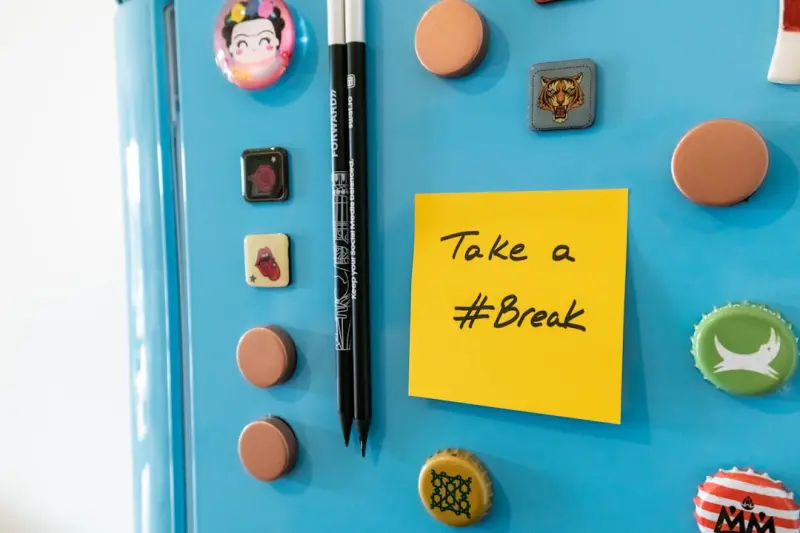
When the Office Fridge Becomes a Battleground: Unmasking Eating Disorders in High‑Pressure Careers
A deep dive into how high‑pressure work environments can trigger eating disorders, with actionable... Read More

How Real‑Time Data Can Spot the Hidden Signals of Disordered Eating
A deep dive into how wearable technology, data analytics, and peer‑driven feedback can identify su... Read More

Beyond the Scale: Narrative Healing for Eating Disorder Recovery
A fresh look at eating disorder recovery: using personal narratives, supportive digital communities,... Read More
Top Posts

Unlocking the Power of Your Gut: A Holistic Journey to Balance and Vitality
Explore a holistic approach to gut health with practical nutrition, mindful habits, and lifestyle tips that nurture your microbiome and boost overall vitality....Read More

Navigating Sleep Terrors: A Practical Guide to Calm Nights
Sleep terrors can feel overwhelming, but understanding their triggers and applying practical habits can restore calm. This guide offers actionable tips for a pe...Read More

Unscripted Movement: Turning Everyday Moments into Powerful Workouts
Learn to transform ordinary moments—stairs, benches, city streets—into high‑intensity “movement sprints” that revitalize your body, spark joy, and kee...Read More

Breathing Out the Toxins: A Fresh Take on Body Detox
Explore a unique detox approach that leverages deep breathing techniques, environmental tweaks, and supportive nutrition to enhance toxin elimination and improv...Read More
0 Comments
Post Comment
You will need to Login or Register to comment on this post!