

Why Rhythm‑Driven Outdoor Fitness Is the Next Big Thing
When I first laced up my trail shoes and let a carefully curated playlist pulse through the trees, I felt a shift that went beyond the usual endorphin rush. The forest’s natural cadence blended with the beat, turning every stride into a conversation between my body and the environment. That moment sparked a personal mission: to explore how rhythm and outdoor movement together can rewrite our approach to exercise and, ultimately, to life itself.
Science tells us that music engages the brain’s reward centers, synchronizing heart rate, breathing, and motor patterns in ways that pure cardio often can’t achieve. When the tempo matches your stride, the body automatically finds a more efficient gait, reducing perceived effort while boosting stamina. Rhythmic alignment also enhances neural plasticity, meaning the brain learns the movement patterns faster, making even the most challenging hills feel like a dance rather than a grind.
To put this into practice, I start each session with a tempo that mirrors my intended pace—80 beats per minute for a steady jog, 120 for interval bursts, and a slower 60‑beat groove for cool‑down walks. I load a mix of percussion‑heavy tracks, world‑beat drums, and ambient forest sounds, letting the soundtrack dictate the rhythm of my footfalls. By consciously matching my steps to the music, I notice a smoother cadence, fewer “breathing breaks,” and a surprising surge of confidence that carries me farther than any GPS watch could predict.
But the magic multiplies when you add a community element. I’ve organized “beat‑run” meet‑ups where participants wear lightweight Bluetooth speakers, and a shared drum loop sets the pulse for the entire group. The collective energy creates a feedback loop: the louder the crowd’s enthusiasm, the more the rhythm fuels each runner’s drive. This social rhythm‑workout not only builds stronger bonds but also transforms solitary training into a shared ritual that feels both playful and purpose‑filled.
Beyond the physical benefits, rhythm‑driven outdoor sessions have become my secret weapon for mental clarity. The repetitive nature of matching steps to beats mirrors the meditative focus of a mantra, quieting the mental chatter that often spirals during solo runs. I’ve found that after a session where the music guided my movement, anxiety levels drop dramatically, and creative ideas flow more freely—an effect I’ve previously only experienced through formal mindfulness practices.
From a strength perspective, the integration of rhythm encourages natural, functional movements that translate directly to everyday life. When you’re hiking uphill to the beat of a driving drum, you’re automatically engaging core stabilizers, glutes, and calves in a coordinated pattern. This organic loading promotes muscle balance and joint stability without the need for isolated gym machines, delivering strength gains that feel practical and sustainable.
One of the most rewarding aspects of this approach is its adaptability. Whether you’re a seasoned runner, a beginner walker, or someone recovering from an injury, the tempo can be dialed down or up to match your current capacity. Even seniors have reported renewed enthusiasm for light hikes when a gentle rhythm guides their steps, turning what might feel like a chore into a joyful, low‑impact workout that respects their joints while still providing cardiovascular benefits.
Technology can enhance, not dominate, this rhythm‑driven experience. I love syncing my smartwatch’s cadence alerts with my playlist, allowing the device to suggest tempo adjustments in real time based on terrain changes. This subtle integration reminds me of the wearable tech revolution, but keeps the focus firmly on the natural flow of movement rather than on data overload. By using tech as a supportive backdrop, the experience remains grounded in the sensory richness of the outdoors.
If you’re curious about trying this for yourself, start small: pick a favorite song with a steady beat, head to a local park, and let the rhythm dictate your pace for ten minutes. Notice how your breath aligns, how your stride feels smoother, and how your mind settles into a rhythmic groove. As you become comfortable, experiment with group sessions, different tempos, and varied terrains—watch how this simple shift transforms not just your workouts, but also your relationship with nature, music, and your own body.

Tammy French is a Montessori Teaching Assistant and freelance writer passionate about education, creativity, and inspiring lifelong learning through engaging content.
Related Posts
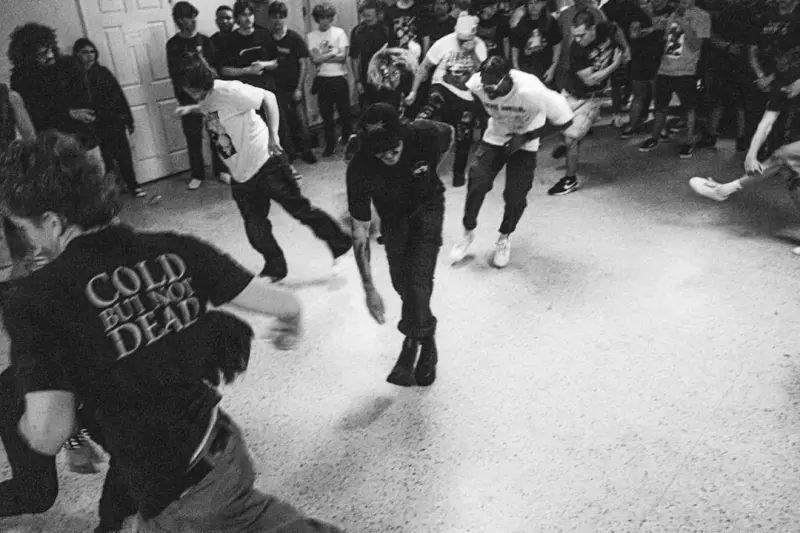
When Beats Meet Feet: The Rise of Rhythm‑Driven Workouts
Nikki reveals the science behind rhythm‑driven training, shares a step‑by‑step guide for build... Read More

The Power of Micro‑Movements: Recharging Your Brain Between Meetings
Micro‑movement offers a practical, science‑backed way for professionals to boost energy and ment... Read More
Micro‑Movements: Tiny Exercise Bursts Transform Your Day
Micro‑movements—brief, frequent bursts of activity—can dramatically improve energy, focus, and... Read More
Top Posts

Redesigning Alertness: Data, Design, and Community for Life with Narcolepsy
A fresh look at narcolepsy management reveals how wearable tech, smart workspace design, and collaborative data sharing turn daily sleep challenges into opportu...Read More

Revitalize Your Body: A Holistic Detox Blueprint
A comprehensive guide to sustainable detox, focusing on lymphatic flow, skin revitalization, balanced hydration, and mindful breathing to naturally cleanse and ...Read More

Holistic Strategies to Keep Your Blood Sugar in Check
Learn how to stabilize blood sugar naturally with diet, timing, movement, stress control, sleep tips, and smart supplements for sustained energy and wellness....Read More

When Your Mind Gets Lost in the Zoom Maze: Re‑Finding Calm in a Hyper‑Connected Workplace
Explore evidence‑based tactics for managing Zoom fatigue, setting digital boundaries, and fostering a culture of psychological safety that lets professionals ...Read More
0 Comments
Post Comment
You will need to Login or Register to comment on this post!