
Finding Freedom Through Creative Community: A New Path for Eating Disorder Healing
When I first stepped into the world of eating disorder recovery, the landscape felt like a maze of clinical appointments, nutrition plans, and endless self‑scrutiny. The usual narrative—“track your meals, log your thoughts, follow the therapist’s roadmap”—served an essential purpose, but it left a part of me yearning for something more human, more alive. That yearning led me to a surprising ally: creative community.
In my years as a mental‑health advocate and someone who’s walked the tightrope of disordered eating, I’ve discovered that the most profound breakthroughs often happen outside the sterile walls of the clinic. They happen in the hum of a shared studio, the quiet rhythm of a writing circle, or the simple act of swapping recipes with friends who understand the emotional weight behind each bite. This post is an invitation to explore how joining—or even starting—creative collectives can become a cornerstone of lasting recovery.
Why Creativity Matters in Recovery
At its core, an eating disorder is a story we tell ourselves about control, worth, and identity. It’s a narrative that has been reinforced by years of shame and secrecy. When we introduce a creative outlet, we give that story a new voice—a voice that can be edited, illustrated, and shared.
- Embodied Expression: Creative activities engage the body in ways talk therapy often can’t. Painting, dancing, or even cooking activates sensory pathways, helping us reconnect with the physical sensations we may have learned to ignore.
- Safe Exploration of Identity: Through characters, lyrics, or visual motifs, we can experiment with facets of ourselves that feel hidden or unsafe to reveal in everyday life.
- Community Validation: When a group celebrates your creative output, it builds a sense of belonging that counters the isolation many experience during an eating disorder.
These benefits aren’t just anecdotal; research increasingly shows that creative expression can reduce depressive symptoms, lower anxiety, and improve self‑esteem—all crucial ingredients for sustainable recovery.
The Power of Peer‑Led Art Circles
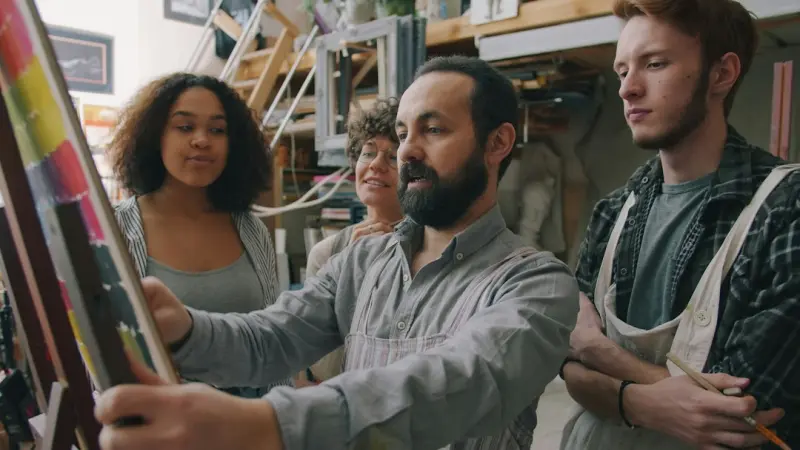
One of the most transformative experiences I’ve had is participating in a peer‑led art circle for individuals in recovery. Unlike a therapist‑led session, these gatherings are co‑created, with each participant shaping the agenda. The atmosphere feels less “treatment” and more “tribe.”
In one session, we were invited to paint a “map of comfort.” Instead of a literal map, we drew abstract shapes that represented the places, people, and practices that made us feel safe. As the colors bled together, stories emerged—stories about late‑night cravings, about the relief of a supportive text message, about the moment a mirror stopped being an enemy.
What struck me was how the act of creating together turned private pain into collective insight. The visual language of the artwork allowed us to articulate feelings that words alone couldn’t capture. And because everyone was contributing, the vulnerability felt balanced, not exposing.
Writing as a Bridge Between Thought and Body
If you’re more of a wordsmith, consider the transformative power of journaling, poetry, or narrative therapy. Writing forces you to name the intangible—the anxiety that spikes before a meal, the guilt that lingers after a “cheat” snack. By naming these feelings, you begin to separate them from the identity you’ve built around food.
One technique I’ve found especially helpful is the “letter to your future self.” In this exercise, you write a letter from where you are now, addressed to the version of you a year from now. Detail your fears, your triumphs, and the small steps you’re taking. When you reread it later, you can witness the progress you’ve made—often more objectively than when you’re in the thick of a binge‑purge cycle.
For those interested in a quick mental boost, try the tiny mental shifts outlined in Tiny Mental Shifts for Big Emotional Gains. A simple reframing—like swapping “I failed” for “I learned something new”—can create a ripple effect throughout your day.
Cooking and Sharing as an Act of Reclamation
Food is the battlefield for many with eating disorders, but it can also become a canvas for healing. When you cook with others—whether it’s a potluck, a virtual cooking class, or a small dinner party—you reclaim agency over nourishment in a communal, supportive setting.
Think about the moment you stir a pot while laughter fills the room. The smell of simmering vegetables, the tactile feedback of dough kneading under your fingertips, the shared anticipation of tasting something you created together—these are sensory experiences that remind us food can be love, not a weapon.
For inspiration, explore When Your Plate Becomes a Canvas: Harnessing Color Psychology for Better Nutrition. While the article focuses on color, the underlying principle is the same: turn meals into expressive, mindful moments.
Building Your Own Creative Recovery Community
Not everyone has access to existing groups, and that’s where your initiative can make a difference. Here’s a step‑by‑step guide to launching a supportive creative circle:
- Define the Purpose: Is the group focused on visual art, writing, music, or a mix? Clarify whether the aim is purely creative, or if you want to embed recovery discussions.
- Find a Safe Space: This could be a community center, a quiet coffee shop, or a virtual Zoom room. Ensure the environment feels welcoming and confidential.
- Set Ground Rules: Confidentiality, non‑judgment, and respectful listening are non‑negotiable. A simple agreement can set the tone.
- Invite Members: Reach out to local therapists, support groups, or online forums. Emphasize that the group is peer‑led, not a clinical setting.
- Plan Activities: Start with low‑stakes prompts—like “draw your mood today” or “write a haiku about hunger.” Keep the first few sessions light to build trust.
- Gather Feedback: After each meeting, ask participants what worked and what didn’t. Adapt the format based on collective input.
Remember, the goal isn’t to “cure” the disorder in one session; it’s to build a sustainable network of creative support that complements professional treatment.
Integrating Creativity with Clinical Care
For those already in therapy, consider sharing your creative projects with your clinician. Many therapists welcome artistic expressions as supplemental material, using them to uncover hidden emotions or patterns. If you’re hesitant, start by discussing the idea in a session and gauge their reaction.
It’s also worthwhile to ask your treatment team about community resources—some hospitals partner with local art studios, and many eating disorder clinics host creative workshops. Integrating these experiences can reinforce therapeutic goals, providing a holistic approach that addresses both mind and body.
Overcoming Common Barriers
Fear of Judgment: The thought of showing your art or writing can feel terrifying. Remember, the community you build is based on empathy. Start with anonymity—share a piece without revealing your name, then gradually open up as trust grows.
Lack of Time: Busy schedules often lead us to deprioritize self‑care. Treat creative sessions as appointments with yourself. Even a 15‑minute doodle break can reset your nervous system.
Financial Constraints: Creativity doesn’t require expensive supplies. Use household items—paper towels for sketching, pantry staples for cooking experiments, or a free online writing platform for journaling.
Success Stories: When Creativity Meets Recovery
Below are three brief snapshots of individuals who blended creative community into their healing journey:
- Leah, 28, graphic designer: After years of restrictive dieting, Leah joined a local sketch group. The act of drawing bodies of all shapes and sizes helped her dismantle the “ideal” silhouette she’d been chasing. Over six months, her anxiety around meals decreased dramatically.
- Marcus, 35, software engineer: Marcus found solace in a virtual poetry slam for survivors of binge eating. Writing verses about his relationship with food gave him a language to articulate cravings without shame. The supportive feedback loop bolstered his confidence in attending in‑person therapy.
- Sofia, 22, college student: Sofia started a weekly “cook‑together” Zoom call with three friends who also struggled with orthorexia. By sharing recipes and laughing over culinary mishaps, she re‑learned to view food as nourishment rather than a test of purity.
These stories illustrate a simple truth: when we step out of isolation and into a circle of creators, we reclaim the narrative that once held us captive.
Looking Forward: A Vision for a More Compassionate Recovery Landscape
Imagine a world where every eating disorder treatment plan includes a creative community component—where hospitals have art studios, therapists recommend writing prompts, and dietitians partner with cooking clubs. This isn’t a fantasy; it’s an emerging paradigm that acknowledges the whole person—not just the symptoms.
As we move toward this future, I encourage you to ask yourself:
- What creative outlet feels most authentic to me?
- Who can I invite into my journey to share that expression?
- How can I honor the process, even when it feels messy or imperfect?
Recovery isn’t a straight line, and that’s okay. It’s a tapestry woven from many threads—clinical insight, personal resilience, and, increasingly, the vibrant colors of creative community.
If you’ve never tried blending art, writing, or shared cooking into your healing, I challenge you to start today. Pick a pen, a brush, or a spoon, and let the act of creation become your compass back to wholeness.

Tom Ferguson is a Canadian freelance writer with a passion for storytelling, current events, and thoughtful commentary. Drawing on years of writing experience, he shares engaging insights on a wide range of topics, bringing a uniquely Canadian perspective to his work.
Related Posts
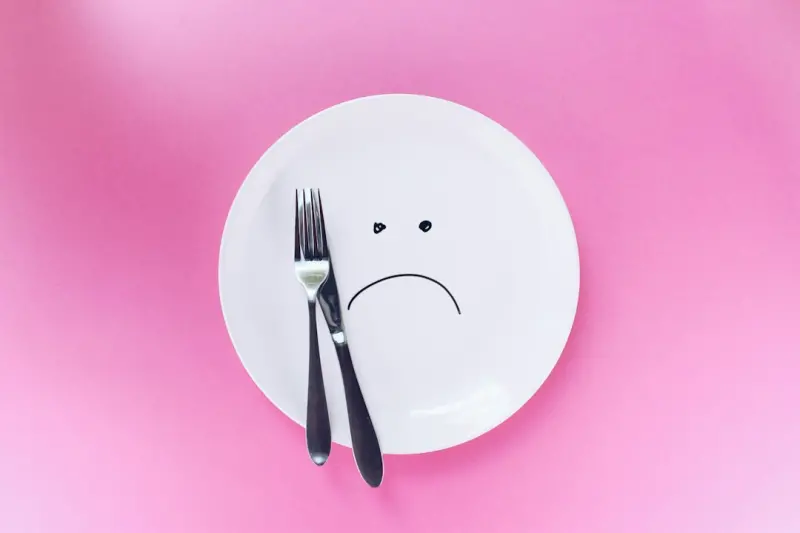
When Ambition Feeds the Beast: Eating Disorders in High‑Pressure Workplaces
A deep dive into how relentless workplace pressure fuels eating disorders, with practical steps for ... Read More

When Creativity Becomes the Compass: Artistic Paths Out of Eating Disorders
Creative expression—through drawing, music, writing, or movement—provides a powerful, science‑... Read More
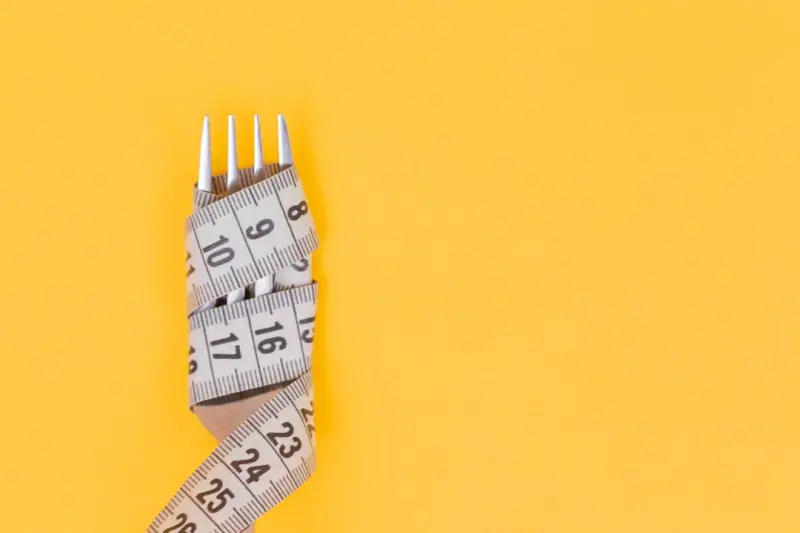
Beyond the Mirror: Harnessing Digital Peer Networks for Eating Disorder Recovery
Digital peer networks are transforming eating disorder recovery by providing real‑time support, da... Read More
Top Posts

Stacked Gains: How Habit Architecture Supercharges Muscle Growth
Learn how to engineer cue‑routine‑reward loops, stack micro‑habits around keystone actions, and align workouts with your body’s clock to create a selfâ€...Read More
Beyond the Numbers: Personal Strategies to Tame Blood Pressure
A candid, data‑driven guide shares simple breathing, posture, hydration, and digital biofeedback habits that lowered the author’s blood pressure, offering a...Read More

Chronotype‑Driven Life Design: A New Frontier for Longevity
Learn why respecting your body's internal clock—your chronotype—can be a powerful longevity strategy, and get a 30‑day challenge to start aligning your da...Read More

Rethinking Body Detox: Harnessing the Lymphatic Highway and Breath
Explore a holistic detox plan that leverages the lymphatic system, breathwork, nutrition, and seasonal syncing to naturally cleanse the body and boost vitality....Read More
0 Comments
Post Comment
You will need to Login or Register to comment on this post!