
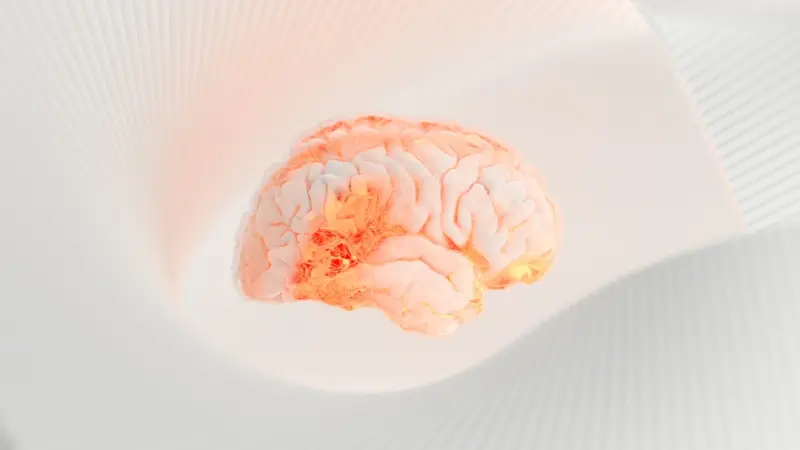
Why Nutrition for the Brain Deserves a Spotlight
When you stare at a screen for hours, the first thing that comes to mind is eye strain, not the subtle chemistry humming inside your skull. The brain consumes roughly 20% of the body’s energy despite weighing only 2% of total mass, making it exquisitely sensitive to the quality of the fuel you provide. In my years of coaching, I’ve watched countless clients chase caffeine spikes only to crash into fog, a pattern that disappears when they swap processed snacks for nutrient‑dense, gut‑friendly options.
The Gut‑Brain Axis: Your Hidden Superhighway
Science now paints the gut as a second brain, a sprawling network of neurons and microbes that constantly dialog with the central nervous system. Microbial metabolites such as short‑chain fatty acids travel through the bloodstream to modulate neurotransmitter production, inflammation, and even stress responses, meaning the foods you ferment can literally rewrite your mood script. Ignoring this axis is like trying to upgrade your computer’s operating system without ever checking the hard drive for hidden errors.
Fermented Foods: Nature’s Probiotic Powerhouses
Fermentation transforms ordinary vegetables, dairy, or beans into living foods brimming with beneficial bacteria, yeasts, and enzymes that boost digestion and immunity. From tangy kimchi to creamy kefir, each culture carries a unique fingerprint of strains—Lactobacillus, Bifidobacterium, Saccharomyces—that interact with your gut lining in distinct ways. The result is a more resilient microbiome that can better regulate cortisol, sharpen focus, and even support long‑term memory consolidation.
Choosing the Right Ferments for Cognitive Edge
Not all ferments are created equal; some excel at delivering vitamin K2, others at supplying B‑complex vitamins crucial for neuronal energy.
- Kefir offers a balanced mix of bacteria and yeast, ideal for boosting dopamine precursors.
- Sauerkraut is rich in vitamin C and glucosinolates that support antioxidant pathways in the brain.
- Miso provides amino acids that serve as direct building blocks for neurotransmitters.
When you pair these with smart food pairings, you create a nutrient symphony that amplifies each component’s impact on cognition.
DIY Fermentation: Simple Steps for Busy Lives
Starting a home ferment doesn’t require a lab; a mason jar, salt, and patience are enough to unleash a probiotic revolution in your kitchen. Begin by selecting fresh, organic produce, then submerge it in a brine of 2% sea salt to encourage beneficial bacteria while suppressing pathogens. Cover with a weight, let it sit at room temperature for 3‑7 days, taste daily, and once the flavor hits that perfect balance of tang and depth, refrigerate to pause the process and enjoy a ready‑made brain booster whenever you need it.
Integrating Ferments Into Daily Meals
The magic happens when you weave fermented bites into the rhythm of your day rather than treating them as an after‑thought side dish. Add a spoonful of kimchi to scrambled eggs for a gut‑friendly breakfast, swirl kefir into a morning smoothie for creamy protein, and stir a tablespoon of miso into a vegetable broth for lunch. Evening meals can benefit from a small serving of sauerkraut alongside roasted root vegetables, delivering a final probiotic punch before sleep, which is when the brain consolidates memories.
Science‑Backed Benefits: From Mood to Memory
Peer‑reviewed studies link regular fermented food consumption to lower scores on anxiety and depression scales, attributing the effect to reduced systemic inflammation and enhanced serotonin synthesis. Short‑chain fatty acids produced by gut microbes have been shown to cross the blood‑brain barrier and stimulate the production of brain‑derived neurotrophic factor (BDNF), a protein essential for learning and memory formation. Moreover, a thriving microbiome can improve insulin sensitivity, a factor that directly influences cognitive clarity—a point echoed in research on blood sugar balance and mental performance.
Potential Pitfalls and How to Navigate Them
Even the best‑intentioned ferment enthusiast can stumble into common traps, such as over‑salting, neglecting proper hygiene, or consuming ferments past their prime, which can lead to unpleasant bloating or histamine reactions. To stay safe, always use non‑iodized sea salt, keep equipment sterilized, and trust your senses—off‑odors, slimy textures, or mold beyond white kahm indicate a batch that should be discarded. If you have a history of histamine intolerance, start with low‑histamine options like kefir and gradually introduce more complex ferments while monitoring how you feel.
Beyond Ferments: Complementary Brain‑Boosting Nutrients
Fermentation is a powerful tool, but it shines brightest when paired with other brain‑supportive foods such as omega‑3‑rich fatty fish, antioxidant‑dense berries, and magnesium‑laden leafy greens. Incorporating a handful of walnuts into your kefir smoothie or sprinkling pumpkin seeds over sauerkraut adds essential fatty acids and minerals that further stabilize neural membranes and reduce oxidative stress. In the age of constant notifications, establishing digital food freedom—mindful eating away from screens—enhances the absorption of these nutrients and reinforces the gut‑brain communication loop.
Final Takeaway: A Sustainable Brain‑Food Strategy
The path to sharper focus, steadier mood, and lasting memory isn’t a quick‑fix supplement but a lifestyle built on microbial diversity and nutrient synergy. By inviting a rotating roster of fermented foods into your daily menu, you nurture a gut ecosystem that speaks fluently to your brain, turning every bite into a cognitive investment. Start small, stay consistent, and watch how the subtle, ongoing dialogue between gut and mind translates into clearer thoughts, brighter days, and a resilient mental edge that serves you for years to come.

Related Posts
Unlock the Power of Chrono‑Nutrition: How When You Eat Can Transform Health
Learn how chrono‑nutrition—eating in sync with your circadian rhythm—can improve energy, weigh... Read More
Holistic Nutrition for Modern Life: Brandy Miller’s Fresh Perspective
Brandy Miller shares a fresh, holistic take on nutrition—linking gut health, stress, and seasonal ... Read More
Nutritional Epigenetics: Eating Your Way to a Healthier Genome
Nutritional epigenetics reveals how diet can switch genes on or off. This article explores the mecha... Read More
Top Posts

Embracing Holistic Aging: A Personal Journey to Vibrant Longevity
A heartfelt guide to thriving in later years through holistic habits—nutrition, movement, sleep, gut health, and social connection....Read More

The Weight‑Loss Narrative: Turning Your Body Goals into a Compelling Story
Discover how framing your weight‑loss journey as a story—complete with heroes, conflicts, and milestones—can boost motivation, integrate data, and create ...Read More

Rewriting Your Blood‑Sugar Narrative: Micro‑Habits, Seasonal Foods, and Energy Equity at Work
Learn to transform blood‑sugar management into a powerful story of steady energy at work, using chrononutrition, micro‑habits, and seasonal foods for lastin...Read More

Crafting Your Pregnancy Narrative: From Storyboard to Birth Stage
Discover a fresh approach to pregnancy by treating it as a living story—design your birth environment, embed rituals, and create a memorable, empowering deliv...Read More
0 Comments
Post Comment
You will need to Login or Register to comment on this post!