
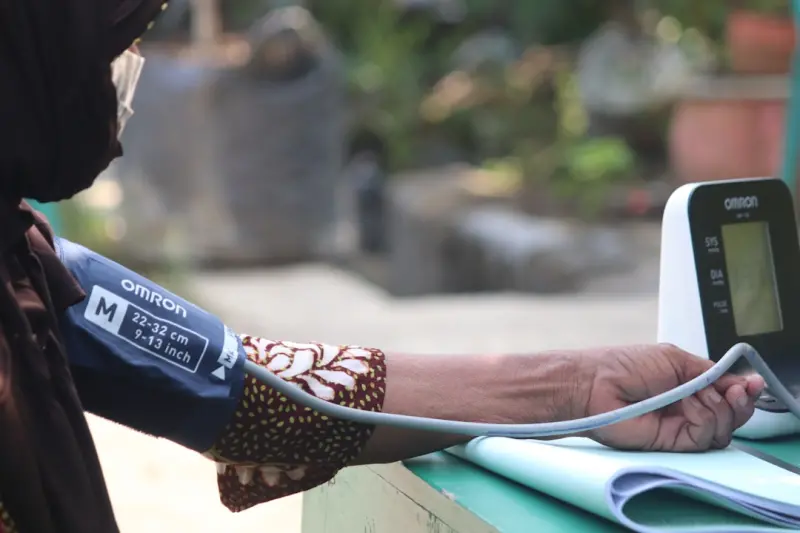
When I first heard the phrase “blood pressure” whispered in a doctor's office, I imagined a static number glued to a cuff—something you either accepted or fought with. Over the years, I’ve learned that blood pressure is less a rigid figure and more a conversation your body holds with you every single day. It’s a subtle, ongoing dialogue that responds to the rhythm of your life, the cadence of your breath, and the micro‑choices you make from sunrise to bedtime. This post is my attempt to share the surprising, everyday tactics that keep that conversation friendly, balanced, and—most importantly—empowering.
Reframing Blood Pressure: From Enemy to Ally
We all love a good villain in a story—something concrete to rally against. But when it comes to blood pressure, the “enemy” label can trap you in a cycle of anxiety and avoidance. Instead, I’ve started treating my readings as a feedback system. Just like a car’s dashboard lights up to tell you when you need fuel or oil, your systolic and diastolic numbers are telling you when something in your life needs a tweak.
Here’s how that shift feels:
- Awareness without panic: A reading of 135/85 isn’t a crisis; it’s a nudge to check in.
- Curiosity over judgment: “What did I eat? How was my stress level? Did I move?” replaces “I’m failing.”
- Actionable insight: Each spike or dip becomes a clue for a tiny, doable adjustment.
This mindset alone lowers the stress that can itself raise blood pressure—a self‑fulfilling loop broken before it even starts.
The Power of Intentional Pauses
One of the simplest, most under‑appreciated tools in my arsenal is the intentional pause. Not a full meditation session, just a 30‑second “reset button” you press throughout the day. Here’s why it works:
- It interrupts the sympathetic “fight‑or‑flight” cascade that often spikes blood pressure.
- It gives your parasympathetic system a chance to catch up, lowering heart rate and relaxing vessels.
- It creates a moment of mindfulness, anchoring you to the present rather than spiraling into worry.
Try this: set a gentle alarm on your phone to go off every two hours. When it rings, sit upright, close your eyes, and inhale for a count of four, hold for four, exhale for six. It’s a mini‑breathwork session that fits into any schedule, even the busiest conference call.
Micro‑Movements: The Unsung Heroes
If you think you need a full gym routine to manage blood pressure, think again. My research and personal experiments point to micro‑movements—tiny bouts of activity spread throughout the day—as a game‑changer. Here’s a quick menu of options:
- Desk‑bound calf raises: While on a call, lift your heels off the floor, hold for three seconds, lower. Repeat ten times.
- Wall slides: Stand with back against a wall, slide arms up and down like a snow angel. Ten reps keep shoulders loose and improve circulation.
- Toe‑to‑heel walks: In the hallway, place one foot directly in front of the other, heel to toe, for 30 seconds. It engages stabilizer muscles and promotes blood flow.
Research shows that these brief bursts can improve endothelial function—the lining of your blood vessels—making them more flexible and better at regulating pressure.
Nutrition Hacks That Don’t Feel Like Dieting
When you think of blood pressure, the first thing that pops into mind is often “low‑salt diet.” While sodium reduction is important, I’ve found a more nuanced approach works better for long‑term adherence. Below are three “no‑diet” strategies that seamlessly fit into everyday meals:
- Color‑first plating: Fill half your plate with deep‑colored vegetables (beets, broccoli, bell peppers). Their antioxidants boost nitric oxide, a natural vasodilator.
- Potassium pairing: Pair a banana or a handful of raisins with each salty snack. Potassium counteracts sodium’s impact on pressure.
- Fermented friend: Add a spoonful of kimchi or sauerkraut to lunches. The probiotics support gut health, which research links to better blood pressure regulation.
These tweaks feel more like culinary creativity than restriction, and they keep the palate happy—an essential factor for sustainability.
Lighting and Rhythm: The Subtle Environmental Influences
Most of us spend a good chunk of our day under artificial light, especially those of us working from home. The type and timing of light exposure can sway our circadian rhythm, which in turn influences blood pressure.
Here’s how to harness light without turning your workspace into a tech lab:
- Morning sunrise simulation: Open curtains as soon as you wake, or use a sunrise lamp for 10‑15 minutes. Natural light cues the body to release cortisol in a healthy, timed fashion, preventing morning spikes.
- Midday bright break: Step outside for a five‑minute walk during lunch. Sunlight triggers vitamin D synthesis, which supports vascular health.
- Evening dimming: Switch to warm‑toned bulbs after 7 p.m. and reduce blue‑light exposure from screens. This helps melatonin rise, lowering blood pressure during sleep.
These adjustments are subtle, but they create a rhythmic environment that encourages your blood vessels to relax when you need them to.
Social Connections as Blood Pressure Buffers
We often think of social health as separate from cardiovascular health, but they’re tightly interwoven. Positive social interaction releases oxytocin, a hormone that can lower blood pressure by relaxing blood vessels.
Here are a few practical ways to infuse more connection into your day:
- “Coffee‑catch‑up” calls: Schedule a 10‑minute virtual coffee with a colleague or friend you haven’t spoken to in a while.
- Shared movement: Join a walking group or a short online stretch class. Moving together amplifies the heart‑healthy benefits.
- Gratitude circles: At the end of each workday, write down three things you’re grateful for and share them with a teammate via chat. It fosters positivity and reduces stress hormones.
Even a quick “Hey, how’s your day?” text can create a ripple effect, reminding your nervous system that you’re not alone—a powerful antidote to chronic stress.
Leveraging Technology Without Over‑Monitoring
Smart devices have made it easy to track blood pressure, but constant data can become a source of anxiety. I recommend a balanced approach:
- Scheduled checks: Choose two consistent times—morning and evening—to take readings. Avoid random checks that can create “data fatigue.”
- Trend focus: Look at weekly averages rather than daily spikes. This smooths out outliers caused by temporary stressors.
- Integration with wellness apps: Pair your cuff data with sleep and activity trackers to see patterns, not isolated numbers.
By treating technology as a supportive ally rather than an overseer, you preserve its benefits while protecting your mental calm.
Mind‑Body Practices That Fit Your Lifestyle
There’s a flood of mind‑body techniques out there, from yoga to tai chi. The key is to choose one that feels enjoyable, not like a chore. Below are two low‑commitment practices that have proven blood‑pressure benefits:
- Box breathing: Inhale for four counts, hold for four, exhale for four, hold for four. Repeat five cycles. This simple pattern stabilizes heart rate variability.
- Progressive finger stretch: Extend each finger, hold for three seconds, then release. This tiny movement stimulates the vagus nerve, encouraging relaxation.
Both can be done at a desk, during a commute, or while waiting in line—no special equipment required.
When to Seek Professional Guidance
All the above strategies can be powerful, but they’re not a substitute for professional medical advice. If you notice any of the following, schedule a check‑up:
- Consistently high readings (above 140/90) over a week.
- Symptoms like persistent headaches, blurred vision, or chest discomfort.
- Rapid fluctuations in blood pressure without an obvious cause.
Working with a healthcare provider ensures you receive personalized recommendations and, if needed, medication that aligns with your lifestyle goals.
Connecting the Dots: A Holistic Blueprint
To wrap everything together, think of your blood pressure management plan as a three‑layered cake:
- Foundation (Nutrition & Environment): Colorful plates, smart lighting, and potassium‑rich pairings.
- Middle (Movement & Micro‑Pauses): Desk‑bound calf raises, intentional breaths, and short stretches.
- Top (Social & Mind‑Body): Quick coffee catch‑ups, gratitude circles, and box breathing.
Each layer supports the others, creating a resilient system that naturally keeps your pressure in a healthy range.
Further Reading & Resources
While this post focuses on everyday tactics, I’ve explored related topics that might spark new ideas for you. For instance, learning how sensory grounding can calm the mind helps reduce stress‑induced spikes. If you’re curious about turning routine errands into health‑boosting moments, check out my guide on making grocery runs work for you. And for a quick mental shift that can influence emotions—and, indirectly, blood pressure—see these simple mindset tweaks.
Remember, managing blood pressure isn’t about a single heroic act; it’s a series of small, intentional choices that, over time, build a resilient, healthier you. I hope these ideas inspire you to start a conversation with your body—one that listens, learns, and thrives.

Nikki McDonald is a freelancer based in Waterloo. She brings her skills and expertise to various projects, balancing her professional work with a personal life that includes her husband, Stewart.
Related Posts
Rethinking Blood Pressure: How Micro‑Movements and Real‑Time Data Are Changing the Game
A fresh approach to blood pressure management combines micro‑movements, wearable biofeedback, and ... Read More

Micro‑Movements and Breathwork: A Fresh Playbook for Stable Blood Pressure
A fresh approach to blood pressure control using micro‑movements, breathwork, flavorful foods, and... Read More

Tuning Your Body’s Pressure Dial: Fresh Strategies to Keep Blood Pressure Calm
A fresh, creative approach to blood pressure management that blends breathwork, micro‑habits, soun... Read More
Top Posts
Unlocking the Liver’s Hidden Potential: A Practical Guide for High‑Performers
A deep dive into liver health that blends nutrition, fasting, movement, stress reduction, and tech‑driven tracking, offering busy professionals a roadmap to s...Read More

Cancer Care Reimagined: Jessica Hall’s Holistic Journey from Fear to Empowerment
Jessica Hall shares her personal, holistic roadmap for cancer care—combining nutrition, mind‑body techniques, and community support to transform fear into e...Read More

The Connection Between Mental Health and Preventive Care: A Comprehensive Approach to Wellbeing
Learn how mental health and preventive care are interconnected, and how prioritizing both aspects can lead to a healthier, happier life....Read More

Value-Based Insurance Design: Turning Coverage into a Strategic Health Asset
Value‑Based Insurance Design aligns cost‑sharing with high‑value care, encouraging preventive services and essential treatments while controlling expenses...Read More
0 Comments
Post Comment
You will need to Login or Register to comment on this post!