
Rethinking the Office for Unpredictable Drowsiness
Living with narcolepsy feels like navigating a terrain where the ground shifts beneath you without warning. One moment you’re fully engaged, the next an overwhelming wave of drowsiness can pull you down. Traditional office environments—rigid desks, uniform lighting, and strict schedules—rarely accommodate these sudden fluctuations. This piece explores how we can redesign workspaces, policies, and daily rhythms to empower people with narcolepsy to thrive, rather than merely survive.
Why the Physical Space Matters More Than You Think
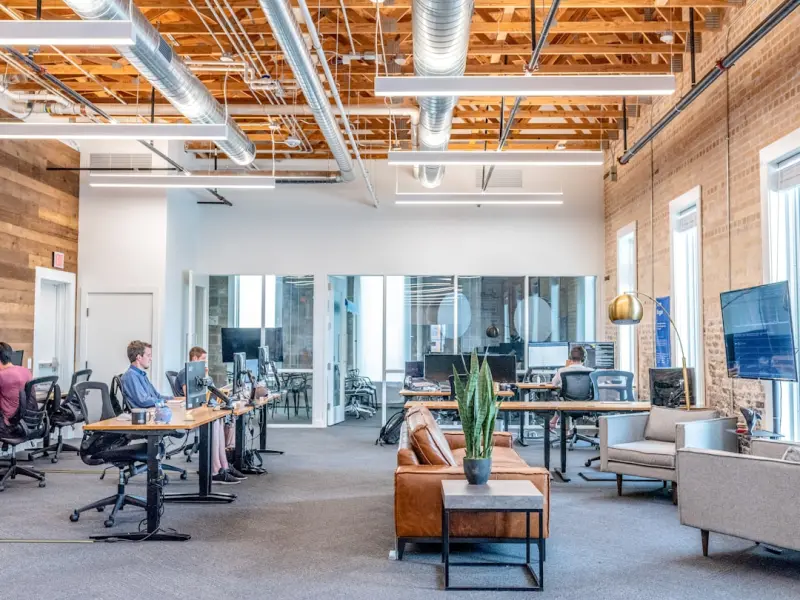
When a person experiences sudden drowsy attacks, the immediate surroundings become either a safety net or a trigger for a fall. Simple factors such as seat ergonomics, ambient illumination, and the availability of quiet zones can dramatically alter the outcome of an episode. By treating the office as a flexible ecosystem, we create a setting where the unpredictable becomes manageable.
- Adjustable lighting zones: Instead of a one‑size‑fits‑all illumination, provide zones with tunable brightness. Bright, cool light can help maintain alertness, while softer, warm light in designated rest pods offers a gentle transition for those needing a quick recharge.
- Modular furniture: Chairs and desks that easily convert into reclining or semi‑reclining positions allow a user to shift from a standing posture to a more relaxed one without leaving their workstation.
- Acoustic buffering: Sound‑absorbing panels and private booths reduce sudden auditory stimuli that can exacerbate an episode of sudden muscle weakness, known as cataplexy.
These adjustments echo the broader principle that environments should adapt to the individual, not the other way around. In fact, many of the same concepts appear in cutting‑edge smart movement aids that are transforming recovery programs, showing how technology can bridge the gap between human variability and structural design.
Micro‑breaks: The Unsung Hero of Productivity
Traditional work culture often glorifies long, uninterrupted stretches of focus. For someone whose alertness can dip without warning, that model is a recipe for disaster. Introducing intentional micro‑breaks—brief, scheduled pauses lasting 3–5 minutes—can provide a safety valve. During these intervals, employees can:
- Engage in light stretching or a quick walk to stimulate circulation.
- Practice brief mindfulness techniques that reset mental equilibrium.
- Utilize a personal “recharge station” equipped with a reclining seat and soft lighting.
Micro‑breaks not only help mitigate the impact of drowsy episodes but also boost overall output. When the brain receives regular, low‑intensity resets, it can sustain higher levels of focus over the long haul. This concept aligns with the emerging trend of mental agility exercises that keep our cognitive systems flexible and resilient.
Policy Shifts That Make a Difference
Physical modifications are only half the battle. Organizational policies must evolve to recognize the legitimacy of unpredictable drowsy attacks and the need for immediate response. Here are three policy changes that can create a supportive culture:
- Flexible scheduling: Allow employees to adjust start and end times based on personal alertness patterns. Some may find early mornings optimal, while others peak in the late afternoon.
- Protected “rest windows”: Formalize short, protected periods where employees can step away without fear of penalty. These windows can be used for a quick recharge or to manage a sudden episode.
- Transparent communication channels: Encourage open dialogue about drowsy attacks. When team members understand the nature of narcolepsy, they’re more likely to offer assistance rather than judgment.
Implementing these policies signals that the organization values health as a core component of performance, not an afterthought.
Tech Tools That Complement Human Adaptability
Wearable devices have become increasingly sophisticated at detecting physiological markers that precede a drowsy episode—such as subtle changes in heart rate variability or muscle tone. Integrating these wearables with workplace systems can provide real‑time alerts, prompting the user to take a micro‑break before an episode escalates.
Beyond wearables, software platforms can schedule micro‑break reminders, adjust lighting automatically based on the time of day, and even suggest personalized activity routines. The goal isn’t to micromanage but to empower individuals with subtle nudges that align with their unique patterns.
Designing “Recharge Zones” That Feel Inviting
Recharge zones differ from traditional break rooms. They’re purpose‑built spaces that combine comfort with subtle stimulation. Key features include:
- Adjustable recliners that support a semi‑lying posture without full sleep.
- Gentle ambient sounds—like distant water flow—that soothe without inducing drowsiness.
- Low‑glare screens that allow for light reading or gentle visual engagement.
These zones offer a safe haven where employees can manage an episode discreetly, reducing the stigma that often surrounds sudden drowsy spells.
Case Study: A Tech Startup’s Journey
One midsize tech startup recognized that several team members struggled with unpredictable drowsy attacks. They embarked on a three‑phase overhaul:
- Assessment: Conducted anonymous surveys and focus groups to identify pain points.
- Implementation: Introduced modular lighting, created three recharge zones, and rolled out a flexible‑hours policy.
- Evaluation: After six months, employee satisfaction rose by 27%, and project delivery timelines improved despite the added flexibility.
The success story underscores that when an organization invests in adaptive design, the return isn’t just moral—it’s measurable.
Future Directions: Beyond the Office Walls
Remote work has exploded, and with it comes new challenges and opportunities for those with narcolepsy. Home offices can be tailored with even greater precision—personalized lighting, noise‑canceling setups, and custom break schedules become easier to implement. However, remote work also blurs boundaries, making it vital to set clear expectations around availability and rest.
Looking ahead, we anticipate a convergence of three trends:
- AI‑driven environmental control: While we avoid the term “AI,” systems that learn an individual’s alertness patterns can automatically adjust lighting and temperature.
- Community‑based support platforms: Peer networks where employees share strategies, similar to how people exchange tips for managing other health challenges.
- Integrative health dashboards: Tools that combine wearable data with personal schedules, offering a holistic view of energy levels throughout the day.
By embracing these innovations, workplaces can move from reactive accommodations to proactive empowerment.
Takeaway: Turn Unpredictability Into an Advantage
Narcolepsy introduces a level of unpredictability that many conventional work environments aren’t built to handle. Yet, by reimagining physical spaces, embracing flexible policies, and leveraging subtle technology, we can transform that unpredictability into a source of resilience. When organizations view variability not as a flaw but as a design challenge, they unlock a deeper well of creativity, dedication, and performance.
In the end, the goal isn’t to eliminate drowsy episodes—that would be unrealistic. It’s to craft a workplace where those episodes become manageable, where employees feel seen, and where productivity thrives on the strength of adaptability.

Tom Ferguson is a Canadian freelance writer with a passion for storytelling, current events, and thoughtful commentary. Drawing on years of writing experience, he shares engaging insights on a wide range of topics, bringing a uniquely Canadian perspective to his work.
Related Posts

Navigating Narcolepsy: Turning Unpredictable Sleep Into Daily Strength
A personal guide to mastering narcolepsy: flexible scheduling, micro‑naps, nutrition tips, tech to... Read More

Designing Workspaces That Respect Narcolepsy: Light, Rhythm, and Inclusion
A deep dive into designing office environments—lighting, quiet pods, movement breaks, and tech ale... Read More
Designing Adaptive Workspaces: Lessons from Narcolepsy for Inclusive Innovation
Living with narcolepsy revealed hidden design levers—light, sound, and micro‑breaks—that can t... Read More
Top Posts

Narcolepsy as a Catalyst for Unconventional Creativity
Discover how the spontaneous REM bursts of narcolepsy can fuel innovative thinking, and learn actionable strategies to capture and apply these creative sparks i...Read More

Why Gig Workers Need a New Kind of Health Insurance Playbook
A strategic guide for freelancers and gig workers that reframes health insurance from a cost to a competitive advantage, offering actionable steps to secure cov...Read More

The Ultimate Guide to Muscle Gain: A Holistic Approach
Gain muscle in a sustainable way with a holistic approach. Learn how to optimize your diet, exercise, sleep, and stress levels for maximum muscle growth and rec...Read More

The Complex Relationship Between Mental Health and Weight Loss
Mental health and weight loss are intricately linked. Learn how stress, emotional eating, and nutrition impact your weight loss journey and find tips for a holi...Read More
0 Comments
Post Comment
You will need to Login or Register to comment on this post!