

Why My Muscle Gains Took a Coffee Break (And How You Can Brew Better Results)
Picture this: I’m at my kitchen counter, a steaming mug in hand, scrolling through my workout log. The numbers look good, but the progress feels stuck. I’ve tried every program, every supplement, every “quick fix” trending on the internet. Nothing sticks. Then, in a moment of absurd clarity, I realize my muscles are probably as confused as I am about why I’m drinking coffee at 9 am instead of 7 am. That was the turning point – I stopped treating muscle gain like a separate project and started viewing it as a series of tiny, intentional rituals woven into the fabric of my everyday life.
In this post, I’ll share the unconventional, habit‑centric approach that finally broke the plateau for me. It’s not about adding massive blocks of time to the gym, nor is it about obsessively counting macros. It’s about micro‑loading your environment, mindset, and nutrition so that each day subtly nudges you toward stronger, leaner tissue. Think of it as the espresso shot for your muscle‑building journey.
The Myth of “All‑Or‑Nothing” Training
Most muscle‑gain advice is built on a binary premise: you either smash a high‑volume, high‑intensity program, or you stay flat on the couch. This all‑or‑nothing mindset creates an invisible wall that many of us hit early on. The truth is, muscle protein synthesis (MPS) doesn’t need a 90‑minute gym session to fire up. It responds to repeated, modest stimuli throughout the day.
- Micro‑stimuli: A set of push‑ups while waiting for the kettle to boil, a 5‑minute kettlebell swing before a Zoom call, or a quick band walk during a bathroom break.
- Micro‑nutrition: A handful of whey‑infused almonds after a stair climb, or a sip of protein‑rich broth between meetings.
- Micro‑mindset: A 30‑second visualization of your next rep while your coffee brews.
These bite‑sized actions accumulate, creating a “muscle‑gain echo” that reverberates long after the session ends. It’s the same principle behind habit stacking in productivity circles, only applied to hypertrophy.
Step 1: Reframe Your Environment as a Training Partner
Our surroundings silently dictate behavior. If your home office is a sterile, chair‑bound zone, your body will stay sedentary. I began re‑architecting my space to whisper “move” every time I looked around.
- Strategic Equipment Placement: I moved a set of adjustable dumbbells from the closet to the side of my desk. Now, whenever I reach for a pen, a pair of 10‑lb plates is within arm’s reach.
- Visual Cues: I placed a sticky note on my monitor that reads, “One set. One minute.” It serves as a tiny, non‑intrusive reminder to drop and give me ten.
- Functional Furniture: A standing desk with a built‑in resistance band anchor lets me perform rows while answering emails.
These subtle tweaks turned my work environment into a low‑intensity training field. The key is to pair an action with a routine you already perform – the classic habit‑stacking trigger.
Step 2: The Power of “Pre‑Workout” Micro‑Rituals
Most of us treat pre‑workout as a single supplement or a warm‑up routine that lasts five minutes. I discovered that the psychological priming of a ritual can amplify MPS by boosting neurotransmitter readiness.
Here’s my 3‑minute “muscle‑brew” ritual:
- 30 seconds – Breath Reset: Inhale for four counts, hold for two, exhale for six. This lowers cortisol and preps the nervous system.
- 45 seconds – Light Load Activation: Grab a 5‑lb kettlebell and swing it for 20 reps. This spikes blood flow without fatigue.
- 45 seconds – Mental Cue: Stare at your coffee mug, visualize the muscles you’ll target, and silently repeat, “Strong, steady, growing.”
By the time the coffee is ready, my body is already in a mildly anabolic state, and the mental cue sets a neuro‑muscular connection that improves mind‑muscle engagement during the main workout.
Step 3: Nutrition in “Micro‑Chunks” – Not Mega‑Meals
Traditional muscle‑gain diets advocate 5‑6 meals a day, each packed with protein. While that works for some, it’s often impractical and can lead to digestive fatigue. I shifted to protein micro‑snacking, which keeps amino acid levels elevated without overwhelming the gut.
My go‑to micro‑snacks are:
- Greek yogurt + a drizzle of honey (15 g protein)
- Protein‑infused oat bars (10 g protein)
- Hard‑boiled eggs with a pinch of smoked paprika (6 g protein)
- Collagen‑boosted coffee (5 g protein)
These are consumed every 2‑3 hours, especially after the micro‑stimuli described earlier. The result? A steady amino acid stream that supports MPS throughout the day, reducing the need for massive post‑workout meals.
Step 4: Leverage Technology Without Getting Lost in Data
While I’m a fan of data, I realized that data‑driven tele‑physiotherapy can become a distraction if you obsess over every metric. Instead, I use technology as a feedback loop, not a scoreboard.
My setup:
- Wearable Heart‑Rate Monitor – Set an “activity zone” that nudges me when my heart rate dips below 100 bpm for more than five minutes.
- Simple App for Rep Logging – I log only the first and last set of each exercise; the rest is “auto‑tracked” by my body’s perceived fatigue.
- Weekly Review – I spend ten minutes reviewing trends, not daily numbers, to avoid analysis paralysis.
This minimalist approach keeps technology as a catalyst rather than a crutch.
Step 5: Mindset – From “Goal‑Oriented” to “Process‑Oriented”
When I first started, I was fixated on the number on the scale or the weight on the bar. That led to anxiety and missed workouts when the numbers didn’t move. I adopted a process‑oriented mindset, celebrating the consistency of micro‑habits instead of the end result.
Every time I finish a set of micro‑stimuli, I log a “win” in a simple notebook. Over weeks, the pages fill with tiny victories, reinforcing a growth loop. This aligns with the principles described in brain‑first muscle blueprint, where the brain rewards consistency, not occasional spikes.
Step 6: Recovery – The Quiet Hero
Even the best micro‑stimuli crumble without proper recovery. I treat sleep, hydration, and mobility as the three pillars of my recovery house.
- Sleep: Aim for 7‑8 hours, but also incorporate a “pre‑sleep stretch” routine focusing on the thoracic spine and hip flexors to improve hormonal balance.
- Hydration: I sip electrolytes throughout the day, especially after micro‑snacks, to support nutrient transport.
- Mobility: A 5‑minute foam‑roll session after each micro‑stimulus session keeps fascia pliable and prevents compensatory patterns.
Recovery is the “brew time” for your muscles – you can’t rush it, but you can make it optimal.
Putting It All Together: A Sample Day
Here’s a snapshot of how the micro‑habit framework looks in practice:
| Time | Action |
|---|---|
| 06:30 | Wake, 30‑second breath reset, 5‑minute mobility flow |
| 07:00 | Coffee with collagen, visual cue “grow stronger” |
| 07:15 | Micro‑stimulus: 2 sets of 10 bodyweight squats while waiting for kettle |
| 08:30 | Protein‑infused oat bar (10 g protein) |
| 09:45 | Standing desk rows with band during email triage (15 reps) |
| 11:00 | Hard‑boiled egg snack, quick 60‑second plank |
| 12:30 | Full workout: 45‑minute compound lift session (focus on progressive overload) |
| 13:00 | Post‑workout: Greek yogurt, 5‑minute foam roll |
| 15:00 | Micro‑stimulus: 2 sets of kettlebell swings while on a conference call |
| 17:30 | Protein shake, 5‑minute mobility stretch |
| 20:00 | Pre‑sleep: 10‑minute stretch, journal “wins of the day” |
This schedule feels less like a rigid program and more like a fluid lifestyle, where each moment contains an opportunity to nudge muscle growth.
Common Pitfalls and How to Dodge Them
- Over‑Complicating the System: If you find yourself tracking every micro‑move, you’ve turned a simple habit into a stressor. Trim down to the most impactful cues.
- Neglecting Rest Days: Micro‑stimuli are low‑intensity, but cumulative fatigue can still build. Schedule at least one true rest day per week.
- Relying on Supplements Alone: Supplements can fill gaps but won’t replace the need for consistent, varied stimuli.
- Ignoring Individual Variation: Some people respond better to higher volume, others to heavier loads. Adjust the micro‑stimuli weight and frequency based on how your body feels.
Why This Works: The Science Behind Micro‑Loading
Research on muscle protein synthesis shows a “muscle full” effect: after an initial spike, MPS returns to baseline unless re‑stimulated. By delivering frequent, sub‑threshold stimuli, you keep the muscle in a semi‑anabolic state without the diminishing returns of large, infrequent bouts.
Additionally, the brain’s reward circuitry thrives on predictable, incremental successes. Each micro‑win triggers dopamine release, reinforcing the habit loop. Over weeks, this neurochemical pattern strengthens both the mental and muscular pathways, creating a virtuous cycle of growth.
Final Thoughts: Your Muscle‑Gain Coffee Break Awaits
If you’ve ever felt stuck in the endless grind of “bigger, heavier, longer,” consider stepping back and sipping a different brew. By turning everyday moments into intentional micro‑stimuli, you create a sustainable, enjoyable path to muscle growth that aligns with modern life’s demands.
Start small, stay consistent, and watch how the little things add up. Your next set of gains might just be waiting in the next coffee break.

Nikki McDonald is a freelancer based in Waterloo. She brings her skills and expertise to various projects, balancing her professional work with a personal life that includes her husband, Stewart.
Related Posts
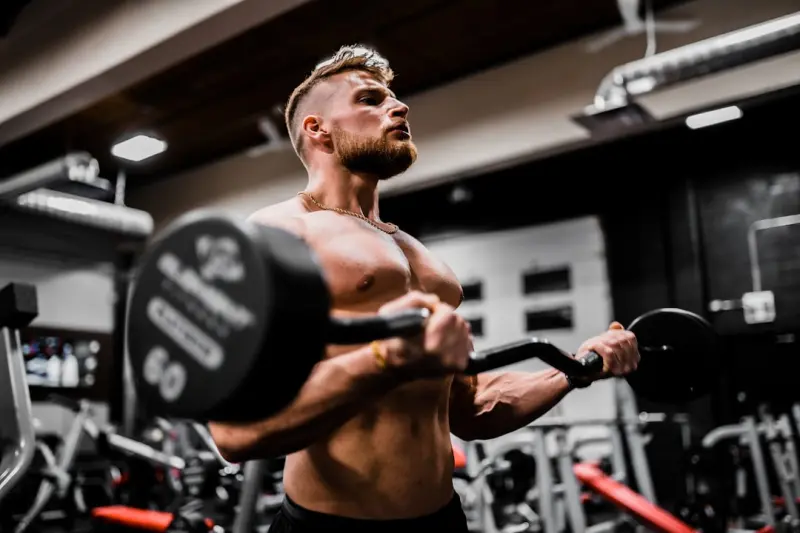
Tempo Mastery: Redefining Muscle Growth Through Lift Speed
Learn why lift speed, pauses, and eccentric control are the missing pieces in your muscle‑building... Read More

From Bars to Balance: My Holistic Blueprint for Sustainable Muscle Gain
Lifan Chen shares a comprehensive, science‑backed plan that integrates nutrition, mindful training... Read More

Turning Muscle Gain Into a Personal Adventure Story
Discover a fresh approach to muscle building by treating each training session as a chapter in your ... Read More
Top Posts
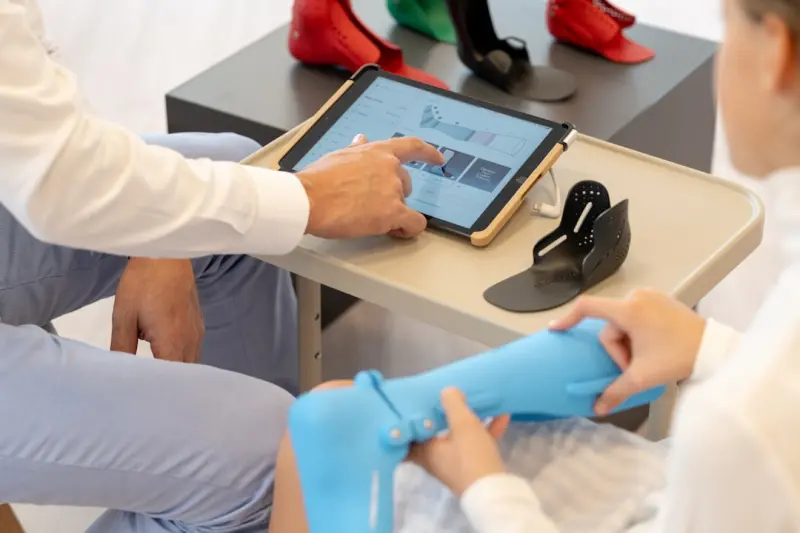
Beyond the Clinic: How Wearable Tech Is Revolutionizing Physiotherapy Prehab
Discover the power of wearable technology in physiotherapy prehab, from real‑time feedback to AI‑guided injury prevention, and learn how it can accelerate y...Read More

Unlocking Liver Longevity: A Holistic Blueprint for Everyday Resilience
A practical, holistic guide reveals how seasonal eating, adaptive fasting, micro‑movements, and tiny habit stacking can transform your liver health and overal...Read More

Living with Narcolepsy: Turning Sleep Challenges Into a Strategic Edge
A deep dive into re‑imagining narcolepsy as a competitive advantage, featuring micro‑naps, ambient design, data‑driven habits, and future tech for high‑...Read More

The 2026 Body Detox Reset: My Holistic Blueprint for Clean Living
A practical 7‑day detox guide blending nutrition, liver care, and mental reset to help you cleanse, feel lighter, and boost vitality in 2026....Read More
0 Comments
Post Comment
You will need to Login or Register to comment on this post!