
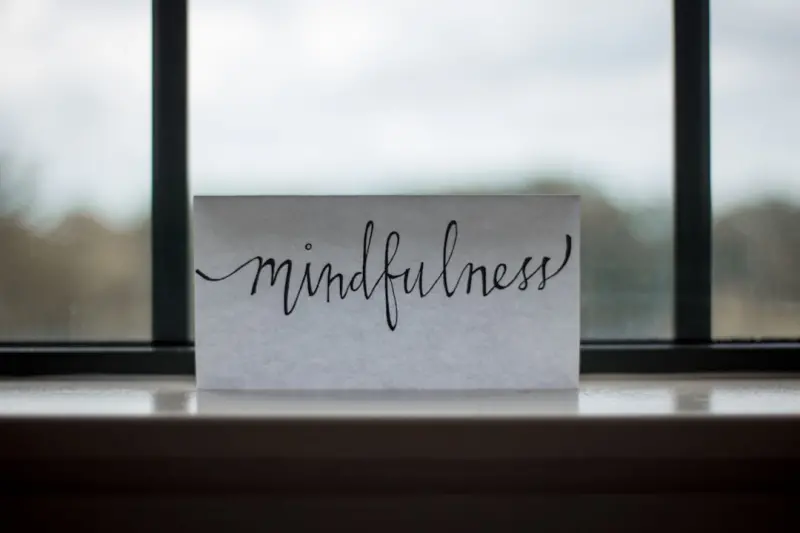
Imagine sitting at your desk, eyes fixed on a spreadsheet, and suddenly a whimsical thought drifts in—a memory of a childhood adventure, a what‑if scenario, a completely unrelated image. Most of us label that moment “daydreaming” and push it aside, fearing it will derail productivity. What if I told you that, when harnessed intentionally, those wandering thoughts can become a powerful ally for mental health?
The Myth of “Bad Daydreaming”
We’ve all been warned that daydreaming is a sign of laziness or lack of focus. In the corporate world, especially, the narrative is clear: hustle, grind, stay on task. Yet research shows that the brain’s default mode network (DMN) – the circuitry that lights up when our mind roams – is also the hub for creativity, problem‑solving, and emotional processing. When we let the DMN run unchecked, it can spiral into rumination, but when we give it a gentle structure, it becomes a mental rehearsal space where we can test scenarios, rehearse coping strategies, and even rehearse kindness toward ourselves.
Introducing Structured Daydreaming
Structured daydreaming is a simple, repeatable practice that transforms idle mind‑wandering into a purposeful mental exercise. Think of it as a short, intentional “brain break” where you set a tiny goal for your imagination: explore a future scenario, re‑frame a lingering worry, or simply savor a pleasant memory. The key is intentionality – you aren’t letting the mind drift aimlessly; you’re guiding it toward a therapeutic outcome.
Here’s a quick template I use before a big client call or a stressful meeting:
- Set a timer for three minutes. This keeps the practice brief and respects the flow of your day.
- Choose a focus. It could be “visualize a calm version of myself handling this call,” or “re‑imagine a past success and the feelings it evoked.”
- Engage all senses. Notice the colors, sounds, even smells that accompany the imagined scene. Sensory detail anchors the experience in the present brain.
- Close with a grounding cue. Take a deep breath, stretch, and note one concrete takeaway you’ll bring back to your work.
It may sound whimsical, but this micro‑ritual has measurable benefits: reduced anxiety spikes, enhanced focus, and a subtle boost in creative confidence.
Why It Works: The Neuroscience Behind the Pause
When we deliberately shift into a daydream, we give the DMN a chance to collaborate with the executive control network (ECN), the part of the brain responsible for decision‑making and self‑regulation. This partnership fosters cognitive flexibility – the ability to see problems from multiple angles. In contrast, chronic stress often locks these networks into a tug‑of‑war, where the DMN spins worry loops while the ECN fights to regain control.
By scheduling a brief, structured pause, you essentially “reset” this tug‑of‑war, allowing the brain to move from a high‑alert, threat‑focused state to a more exploratory, solution‑oriented mode. The result? A calmer nervous system, a clearer mind, and a gentler inner dialogue.
Integrating Daydreaming with Other Mental Health Tools
Structured daydreaming isn’t a stand‑alone cure; it works best when paired with proven practices like mindfulness, movement, and nutrition. For instance, how nutrition shapes mood highlights the role of balanced meals in stabilizing neurotransmitters. Pair a mindful snack (think protein + complex carbs) with a daydream break, and you’re feeding both body and brain.
Similarly, stepping outside for a brief nature walk can amplify the benefits. nature’s impact on cognition shows that even five minutes of green exposure reduces cortisol, the stress hormone that fuels anxiety. After a walk, a three‑minute daydream can cement the calm you just cultivated, turning fleeting serenity into a lasting mental habit.
Storytelling as a Companion Practice
One of my favorite ways to deepen structured daydreaming is to turn the imagined scenes into short narratives. Write them down as if you’re drafting a mini‑story: setting, characters (including yourself), conflict, and resolution. This process does three things:
- Externalizes internal dialogue. Putting thoughts on paper reduces their intensity.
- Creates a reference library. Over weeks, you’ll have a collection of personal “success scripts” to revisit during tough moments.
- Enhances self‑compassion. When you narrate your own resilience, you reinforce a kinder inner voice.
I keep a small notebook titled “Mind Adventures” on my desk. Whenever I finish a daydream, I jot a sentence or two. Over time, flipping through those pages feels like revisiting a personal highlight reel, reminding me of my capacity to navigate uncertainty.
Practical Tips for the Workplace
Many corporate cultures still view any mental “break” as a productivity threat. Here’s how to introduce structured daydreaming without raising eyebrows:
- Label it as a “mental rehearsal.” Frame the practice as preparation for better performance.
- Leverage existing meeting structures. Propose a two‑minute “visioning pause” at the start of brainstorming sessions.
- Use technology wisely. Set a subtle phone alarm labeled “Daydream” to cue the break.
- Lead by example. Share your personal experience with teammates; authenticity often sparks curiosity.
When leaders model mental health‑friendly habits, it normalizes the conversation and creates a ripple effect throughout the organization.
Addressing Common Concerns
“I don’t have time.” The beauty of structured daydreaming is its brevity. Three minutes is less time than a coffee break, yet the payoff can extend for hours.
“I’m afraid I’ll lose focus.” By setting a timer and a clear intention, you’re actually sharpening focus. Think of it as a mental warm‑up before you dive back into deep work.
“It feels silly.” That’s a natural reaction. Our culture often equates seriousness with productivity. Remember, the brain is wired for play; giving it permission to play responsibly can unlock hidden reserves of resilience.
Measuring the Impact
If you’re data‑driven (like many of us in SaaS), consider tracking simple metrics:
- Self‑rated anxiety level before and after a week of practice (scale of 1‑10).
- Task completion time for complex projects – does a brief mental reset shorten the overall timeline?
- Creative idea count during brainstorming sessions – are you generating more diverse solutions?
Even a modest improvement in these numbers can signal that structured daydreaming is moving the needle for both mental health and performance.
Scaling the Practice for Teams
Beyond individual use, structured daydreaming can become a team‑wide habit. Try a “collective imagination” session once a month:
- Gather the team in a relaxed setting (virtual or in‑person).
- Present a brief scenario related to a current project challenge.
- Give each member two minutes to visualize a successful outcome.
- Share insights, focusing on emotional tone and unexpected solutions.
This exercise not only fosters empathy but also surfaces innovative ideas that might remain buried under daily task noise.
Closing Thoughts: Embrace the Inner Wanderer
Our minds are wired to wander; it’s a survival mechanism that helped our ancestors scan horizons for danger. In the modern office, that same mechanism can feel out of place, prompting guilt. By reframing wandering as a structured, purposeful tool, we honor our brain’s natural design while protecting our mental wellbeing.
So next time a fleeting thought pops up during a spreadsheet marathon, don’t shoo it away. Invite it in, give it a three‑minute stage, and watch how that brief mental adventure can transform your day, your work, and ultimately, your sense of self.

Nikki McDonald is a freelancer based in Waterloo. She brings her skills and expertise to various projects, balancing her professional work with a personal life that includes her husband, Stewart.
Related Posts

The Intersection of Mental Health and Chronic Conditions: A Holistic Approach
Explore the complex relationship between mental health and chronic conditions, and learn how a holis... Read More
Engineering Resilience: Mental Health in a Hyper‑Connected Age
A systems‑engineer’s guide to mental well‑being, this post shows how to map inputs, create fee... Read More

Holistic Paths to Mental Wellness: A Personal Journey
Discover how sleep, nutrition, movement, and mindful habits intertwine to create a resilient mentalâ... Read More
Top Posts

Beyond the Plate: How Cultural Identity Shapes Eating Disorder Risk and Recovery
Eating disorders aren’t just about body image—they’re deeply intertwined with cultural scripts around food, family, and identity. This article uncovers ho...Read More

When Nightmares Turn Real: Living Through Sleep Terrors
A personal journey through the unsettling world of sleep terrors, offering science‑backed tips, sound‑based soothing, and mindful curiosity to transform nig...Read More

The Hidden Health Benefits of Male Friendships
Strong male friendships are a hidden powerhouse for health—reducing stress, boosting heart health, and even extending lifespan. Learn why connection matters a...Read More

Unlocking Your Body’s Natural Detox: A Lymph‑Focused Blueprint
A fresh, seven‑day guide shows how simple movements, mindful hydration, breathwork, and seasonal nutrition can supercharge your body’s natural detox pathway...Read More
0 Comments
Post Comment
You will need to Login or Register to comment on this post!