

How Musical Play Can Supercharge Your Brain Health
When you think about brain health, most of us jump straight to nutrition, sleep, or high‑intensity workouts. Those are undeniably important, but there’s a surprisingly powerful, often overlooked lever: music. Whether you’re a seasoned pianist, a karaoke enthusiast, or someone who just taps a beat on a desk, engaging with rhythm and melody can reshape neural pathways, boost mood, and sharpen focus. In this deep dive, I’ll walk you through the science, the practical steps, and the mindset shifts that let you turn everyday musical moments into a brain‑boosting ritual.
The Neuroscience Behind the Beat
Our brains are wired for patterns. From the cadence of speech to the regularity of our heartbeats, pattern recognition is a core cognitive function. Music taps directly into this ability, activating multiple regions simultaneously:
- Auditory cortex – processes pitch, timbre, and rhythm.
- Motor cortex – lights up when we tap our foot or play an instrument, forging a connection between sound and movement.
- Prefrontal cortex – involved in attention, planning, and decision‑making; it gets a workout when we anticipate a chord progression or improvise.
- Limbic system – the emotional hub. Music triggers dopamine release, which not only feels good but also reinforces learning.
When these networks fire together, they strengthen synaptic connections—a process known as neuroplasticity. In other words, regular musical engagement can literally rewire the brain, making it more adaptable and resilient.
Why Rhythm Beats “Just a Hobby”
Many high‑performers treat music as a pastime, not a performance enhancer. That’s a missed opportunity. Studies show that rhythmic training improves working memory and executive function. One experiment had participants learn a simple drum pattern for just 15 minutes a day over three weeks. The group that practiced showed a measurable increase in attention span and reaction time compared to a control group.
What’s happening? The act of synchronizing to a beat forces the brain to coordinate sensory input (the sound) with motor output (the movement). This cross‑modal integration sharpens the brain’s ability to juggle multiple streams of information—exactly what we need when juggling meetings, emails, and strategic decisions.
From Listening to Creating: A Three‑Step Blueprint
To translate the science into daily practice, I recommend a three‑step approach that fits into even the busiest schedule.
1. Curated Listening Sessions
Start with intentional listening. Choose music that challenges your brain’s predictive mechanisms—think jazz improvisations, complex classical pieces, or world‑beat rhythms with shifting meters. As you listen, try to anticipate the next phrase or drum fill. This “active listening” trains the prefrontal cortex to stay ahead of the curve, a skill directly transferable to project planning.
Pro tip: Pair this with a short walk or a light stretch. The mild physical activity further engages the motor cortex, deepening the neural coupling.
2. Mini‑Jam Breaks
Even if you don’t play an instrument, you can create rhythmic patterns using everyday objects—a coffee mug, a keyboard, or a pen. Set a timer for five minutes and tap out a simple groove. Gradually layer in variations: add a pause, switch the accent, or change the tempo. These mini‑jam breaks act like micro‑workouts for the brain, reinforcing the same pathways you engage during listening.
If you have access to a digital piano or a music app, experiment with chord progressions. The key is consistency, not virtuosity. Over time, you’ll notice an uptick in mental flexibility and a reduced feeling of “brain fog.”
3. Structured Musical Learning
For a deeper impact, commit to learning a new instrument or vocal skill. The learning curve forces the brain to encode new motor sequences, a powerful catalyst for neuroplastic change. Aim for 15‑20 minutes a day, focusing on slow, deliberate practice rather than speed. Celebrate each small milestone—a correctly played scale, a clean chord transition—because these successes release dopamine, reinforcing the habit loop.
When you feel the momentum building, consider joining an online community or a local jam session. Social music making adds a layer of emotional connection, further engaging the limbic system and boosting overall wellbeing.
Integrating Musical Moments Into a High‑Performance Lifestyle
Now, let’s talk integration. You might be thinking, “I’m already stretched thin—how do I add more to my day?” The answer lies in embedding rather than adding. Here are some practical touchpoints:
- Morning prep: Play an energizing playlist while you brew coffee. Let the tempo set a purposeful rhythm for the day.
- Commute: Swap podcasts for instrumental albums that feature complex arrangements. Your brain will stay alert without the cognitive load of processing spoken words.
- Meeting transitions: Use a 60‑second “musical reset”—a short, silent beatbox or hand‑clap routine—to clear mental clutter before diving into the next agenda.
- End‑of‑day unwind: Choose calming, slow‑tempo music to signal the brain that it’s time to shift into recovery mode, supporting better sleep quality.
These micro‑habits require no extra time; they simply replace existing routines with a brain‑enhancing twist.
Music, Environment, and the Power of Context
Where you engage with music matters. Research shows that exposure to natural acoustics—like the subtle hum of a forest or the gentle rush of a river—can amplify the calming effects of melodic sound. If you work from a home office, consider adding a small speaker that plays ambient nature sounds in the background while you work. This creates a layered soundscape that supports focus and reduces stress.
If you’re lucky enough to have a window overlooking a green area, pair that view with your favorite instrumental playlist. The combination of visual and auditory stimuli creates a multisensory experience that boosts the brain’s capacity for sustained attention.
Connecting Musical Practice With Other Brain‑Boosting Strategies
Music doesn’t have to operate in isolation. It synergizes beautifully with other proven brain‑health tactics:
- Structured downtime: Pair a short musical improvisation session with a mindfulness pause. The two together enhance both creative flow and mental clarity. Learn more about the benefits of scheduled breaks in this article on structured downtime.
- Physical movement: Rhythm naturally encourages movement. Try walking to the beat of a song with a strong percussive element; it’s a subtle way to increase heart‑rate variability while keeping the mind engaged.
- Environmental design: Incorporate acoustic elements into your workspace—soft rugs, curtains, or acoustic panels—to improve sound quality. A well‑tuned environment makes musical practice more immersive. For inspiration on shaping your surroundings, see our piece on green spaces.
Addressing Common Misconceptions
Before you dive in, let’s debunk a few myths that often keep people from embracing music as a brain‑health tool.
- “I’m not musically talented.” Talent is not a prerequisite. The brain’s response to rhythmic engagement is binary: you either engage or you don’t. Even simple tapping can trigger neuroplastic benefits.
- “I need expensive gear.” A smartphone, a free metronome app, or a set of kitchen utensils can serve as a drum kit. The key is consistency, not equipment.
- “I don’t have time.” Micro‑sessions (5–10 minutes) are enough to create measurable change. Think of it as a mental espresso shot.
Measuring Your Progress
Tracking the impact of musical practice can be both motivating and insightful. Here are three low‑effort metrics:
- Attention Span Log: Use a simple timer to record how long you can work without distraction before and after introducing musical breaks.
- Mood Journal: Rate your mood on a 1‑10 scale each morning and note any shifts after a week of active listening.
- Skill Checklist: If you’re learning an instrument, set micro‑goals (e.g., “play a C major chord cleanly”) and celebrate each win.
Over a month, you’ll likely see improvements in focus, emotional regulation, and even creativity—a trifecta of benefits for any high‑performing professional.
Putting It All Together: Your First 30‑Day Musical Brain‑Boost Plan
Ready to get started? Here’s a straightforward, 30‑day roadmap:
- Days 1‑7: Curate a 30‑minute playlist of complex, instrumental music. Listen actively for 10 minutes each morning while noting predictions about the next phrase.
- Days 8‑14: Introduce 5‑minute mini‑jam breaks mid‑morning. Use a coffee mug as a drum and experiment with simple patterns.
- Days 15‑21: Begin a 15‑minute daily instrument practice (or vocal warm‑up). Focus on slow, accurate repetitions.
- Days 22‑30: Combine all three elements. End each day with a 5‑minute reflective listening session, noting any shifts in mood or focus.
At the end of the month, review your attention log, mood journal, and skill checklist. You’ll likely find that you’re not only feeling sharper but also more resilient under pressure.
Final Thoughts: Make Music Your Cognitive Companion
Brain health isn’t a one‑size‑fits‑all prescription. It’s a mosaic of nutrition, movement, sleep, and, surprisingly, the music that fills our spaces. By treating music as a deliberate, structured practice rather than background noise, you give your brain a potent tool for growth, recovery, and sustained high performance.
So next time you hear a catchy rhythm in a cafe or a calming piano piece on a playlist, ask yourself: “How can I turn this moment into a brain‑boosting opportunity?” The answer might be as simple as tapping a beat, humming a line, or picking up that dusty guitar in the closet. Your brain will thank you.

Becky Putman is an Ottawa-based freelance writer and marketing professional with a passion for storytelling, animals, and community involvement. She enjoys creating engaging content that informs, inspires, and connects with readers.
Related Posts
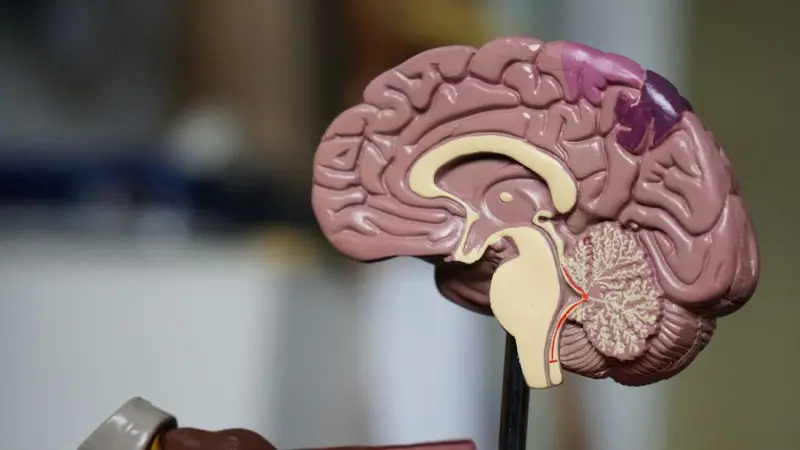
Neuro‑Nourishment: How Everyday Curiosity Fuels Brain Vitality
A practical guide that shows how tiny moments of curiosity, paired with sound, humor, and gut-friend... Read More

The Brain‑Boosting Power of Learning a New Language
Learning a new language isn’t just cultural enrichment—it’s a powerful brain workout. This pos... Read More
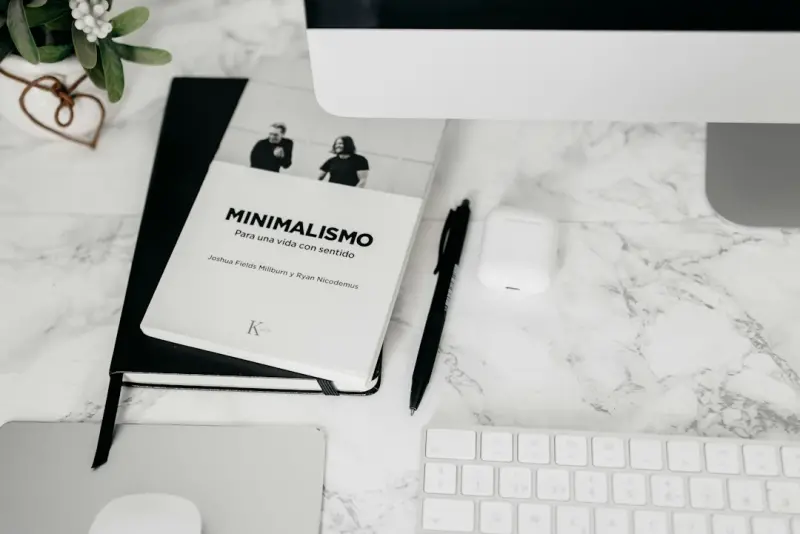
Brain‑Boosting Digital Minimalism: Reclaiming Focus in a Hyper‑Connected World
A deep dive into practical strategies for reducing screen overload, optimizing tech use, and nurturi... Read More
Top Posts

When Night Turns Violent: Understanding and Healing Sleep Terrors
Discover why sleep terrors happen, how they affect your life, and practical holistic methods to soothe the night and restore peaceful sleep....Read More

Rewire Your Muscle‑Building Mindset with Micro‑Momentum
A fresh take on building muscle emphasizes micro‑momentum—consistent, modest training tweaks, sensory feedback, and strategic nutrition—to create sustaina...Read More

Breathing Better: How Indoor Air Quality Shapes Your Health
The air inside our homes can be up to ten times more polluted than outdoors, affecting inflammation, immune response, and metabolic health. This article reveals...Read More
The Untapped Secret: Strengthening Your Liver in a Digital World
A deep dive into the overlooked stressors that tax the liver today, practical nutrition‑timing tweaks, gut‑liver synergy, and emerging tech tools that toget...Read More
0 Comments
Post Comment
You will need to Login or Register to comment on this post!