
Why Narcolepsy Is the Unseen Productivity Drain in Today’s Offices
When I first learned that I was living with narcolepsy, my mind went straight to the spreadsheets, the deadlines, the endless Zoom calls that define modern work life. I imagined a silent battle where every sudden wave of sleep could rewrite a project timeline or turn a confident presentation into a stumbling rehearsal. What I didn’t anticipate was how deeply the condition seeps into the financial health of companies, the culture of teams, and the very design of our workspaces.
The Economics of Unplanned Naps
Every unscheduled nap, each episode of cataplexy, and the inevitable “sleep inertia” that follows are more than just personal inconveniences. They translate into measurable costs:
- Lost billable hours: A single 15‑minute nap may seem trivial, but multiply that by dozens of employees over a year and you’re looking at thousands of hours of unproductive time.
- Increased error rates: Studies show that micro‑sleep episodes impair cognitive function, leading to mistakes that can cost businesses in rework, compliance penalties, or even brand reputation.
- Higher turnover: Employees who feel unsupported are more likely to leave, and recruiting and training replacements is a sizable expense.
When you add these factors together, narcolepsy becomes a hidden line item on the profit‑and‑loss statement—one that most HR departments haven’t even begun to account for.
Designing Workspaces That Respect the Sleep‑Wake Cycle
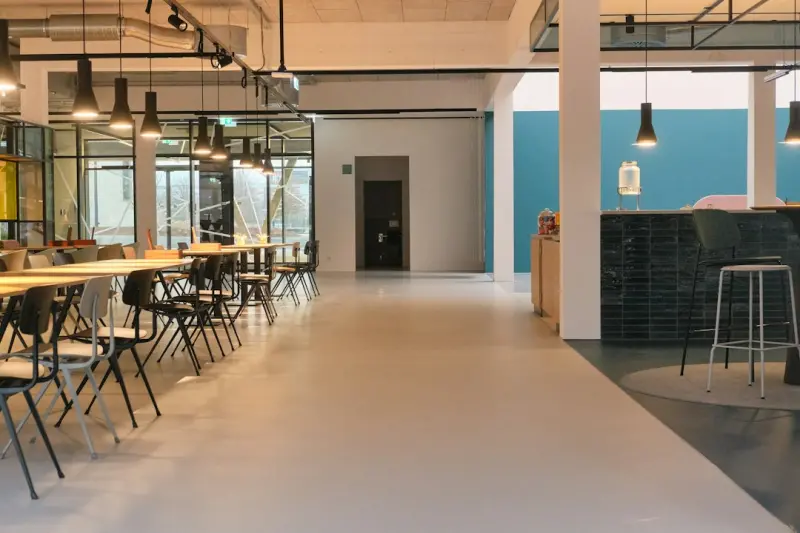
Traditional office layouts assume a linear, eight‑hour workday with a single lunch break. For someone whose brain can flip the switch to “sleep mode” at any moment, that assumption is a recipe for disaster. The solution isn’t to create a separate “nap room” and call it a day; it’s to embed flexibility into the very architecture of work.
Consider the following design principles:
- Modular zones: Quiet pods that can be booked on the fly, offering a semi‑private environment for short restorative breaks.
- Ambient lighting: Adjustable, circadian‑aligned lighting that reduces the abruptness of transitions from alertness to drowsiness.
- Acoustic control: Sound‑absorbing panels that keep sudden noises from triggering cataplexic episodes.
These changes not only help those with narcolepsy but also benefit anyone looking to boost focus and reduce stress—a win‑win for the entire organization.
Technology as a Silent Ally
We live in a world where a smartwatch can tell us when we’re about to fall asleep, and an AI‑driven calendar can suggest optimal meeting times based on biometric data. Leveraging these tools can turn a “sleep‑driven” liability into a data‑rich advantage.
For instance, wearable devices that track sleep stages can alert employees when they’re entering a pre‑nap state, prompting them to take a brief, scheduled break before a critical call. Integrating these alerts into mindful tech workflows ensures that technology serves health, not the other way around.
Beyond wearables, there are software platforms that automatically flag tasks that require high concentration and suggest rescheduling them during the user’s peak alertness windows. This proactive approach reduces the likelihood of errors and the need for frantic “catch‑up” sessions later in the day.
Policy Shifts That Make a Difference
Corporate policies often lag behind medical insights, but a few targeted adjustments can dramatically improve outcomes for employees with narcolepsy:
- Flexible scheduling: Allowing start‑times to shift by an hour or two can align work hours with an individual’s natural rhythm.
- Protected break periods: Designating short, non‑negotiable rest windows—similar to “focus blocks” used by many tech firms—gives the brain the chance to reset.
- Remote‑work options: Working from home eliminates the commute, giving employees more control over when and where they rest.
These policies not only mitigate the direct costs of narcolepsy but also signal a culture of inclusion, which research links to higher engagement and loyalty.
Nutrition and Energy Management: A Practical Playbook
While medication remains a cornerstone of narcolepsy treatment, diet can play a supportive role. Foods with a low glycemic index prevent rapid blood‑sugar spikes that can trigger sudden fatigue. Pairing protein with complex carbs provides a steadier release of energy throughout the day.
Here’s a simple daily template:
- Morning: A bowl of steel‑cut oats topped with nuts and berries—slow‑release carbs and healthy fats.
- Mid‑morning snack: Greek yogurt and a handful of seeds to sustain protein levels.
- Lunch: A mixed greens salad with grilled salmon, quinoa, and avocado—omega‑3s for brain health.
- Afternoon “power‑break”: A green smoothie with spinach, banana, and a scoop of plant‑based protein powder.
These choices reduce the “crash” that often follows high‑sugar meals, keeping the brain in a more stable alertness zone.
Mind‑Body Techniques for Immediate Relief
When a sudden wave of sleepiness hits, the body’s physiological response can be mitigated with quick, evidence‑based tactics:
- Cold‑water splash: A brief splash of cold water on the face activates the sympathetic nervous system, sharpening alertness.
- Box breathing: Inhale for four counts, hold for four, exhale for four, hold for four. This rhythm stabilizes heart rate and can stave off an imminent nap.
- Micro‑movement bursts: Standing up, stretching, or doing a set of jumping jacks for 30 seconds re‑energizes circulation and neural activity.
These techniques can be practiced discreetly at a desk, ensuring that productivity doesn’t come to a halt.
The Role of Peer Support and Education
One of the biggest barriers to effective accommodation is stigma. When colleagues misunderstand narcolepsy, they may view sudden sleep episodes as laziness rather than a medical condition. Creating an internal education campaign—perhaps a short video series or a series of infographics—helps demystify the disorder and fosters empathy.
Peer support groups, either in‑person or virtual, give employees a safe space to share coping strategies, discuss medication experiences, and celebrate small victories. Companies that have instituted such groups report higher morale and a measurable drop in unplanned absences.
Measuring Success: KPIs That Matter
Implementing changes without tracking outcomes is akin to navigating blindfolded. Here are key performance indicators you can monitor:
- Absence rate: Compare baseline data before accommodations to post‑implementation figures.
- Task completion time: Measure the average time to close tickets or finish projects, adjusting for flexible schedules.
- Employee satisfaction scores: Include specific questions about sleep health and workplace flexibility in your annual surveys.
When you see positive trends in these metrics, it validates the investment and provides a blueprint for scaling the approach across other departments.
Future Outlook: From Accommodation to Innovation
Imagine a workplace where the data streams from wearables, project management tools, and environmental sensors converge to create a “dynamic work rhythm” for each employee. In such a scenario, narcolepsy is no longer a hurdle—it becomes a source of insight that informs smarter scheduling, better team composition, and more resilient processes.
While we’re not quite at that sci‑fi level yet, the building blocks are already in place. By embracing flexibility, leveraging technology, and fostering an inclusive culture, organizations can turn a hidden cost into a competitive advantage.
Takeaway Checklist
Use this quick reference to start the conversation within your organization:
- Audit current policies for flexibility and break allowances.
- Introduce a pilot “nap‑friendly” zone with adjustable lighting.
- Implement wearable‑based alerts integrated with existing calendars.
- Launch an internal education series, referencing resources like sleep health guides.
- Track KPIs quarterly and adjust the program based on data.
By taking these steps, you’ll not only support employees living with narcolepsy but also create a workplace that thrives on adaptability and well‑being.

Related Posts

Navigating Life with Narcolepsy: A Holistic Approach to Wellness
Living with narcolepsy can be challenging, but a holistic approach to wellness can help manage sympt... Read More

Urban Design Hacks for Narcolepsy: Building Cities That Stay Awake
A fresh look at how smart lighting, quiet micro‑rest zones, and wearable integration can transform... Read More

Living Wide Awake: How I Redefined My Social World with Narcolepsy
I share my journey from isolation to vibrant social connections, revealing how narcolepsy can become... Read More
Top Posts
Movement in Motion: A Physiotherapy Blueprint for Hybrid Teams
A practical guide for hybrid teams to integrate micro‑movements, tele‑physio, and data‑driven recovery, transforming sedentary workdays into a culture of ...Read More

When Words Heal: Journaling Strategies for Autoimmune Balance
Journaling transforms vague symptoms into actionable data, helping autoimmune patients identify triggers, communicate with clinicians, and foster emotional resi...Read More

Designing Your Pregnancy Narrative: How Storytelling Shapes the Birth Experience
Learn to create a personal pregnancy narrative that turns anxiety into empowerment, using micro‑habits, sensory anchors, and mindful storytelling to shape a p...Read More

When Your Plate Keeps Time: Harnessing Chrononutrition for Daily Energy
Chrononutrition reveals that when you eat can be as vital as what you eat. Discover practical strategies to front‑load calories, time protein, and use seasona...Read More
0 Comments
Post Comment
You will need to Login or Register to comment on this post!