
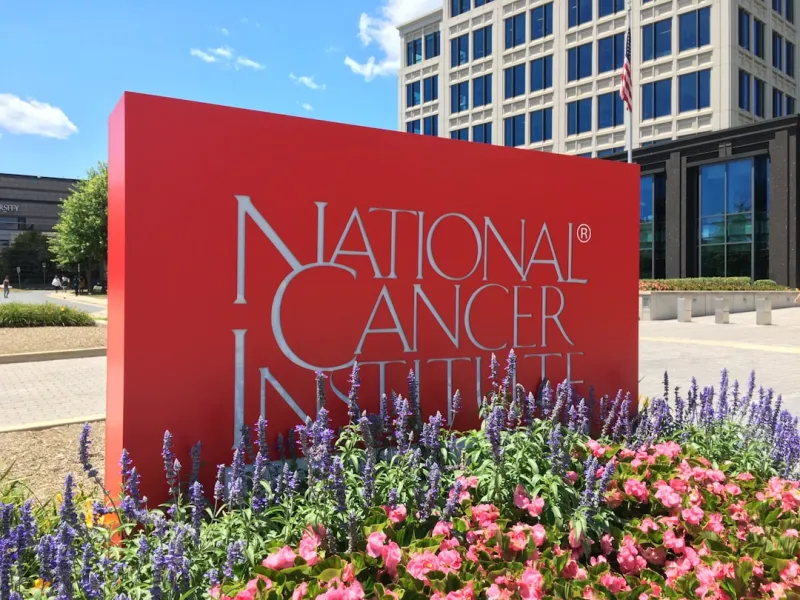
Why Holistic Thinking Matters in Cancer Care
In 2026, the global cancer burden continues to climb, yet the conversation is shifting from treating isolated tumors to nurturing the whole organism; this shift recognizes that a tumor does not exist in a vacuum but thrives within a complex web of metabolic, emotional, and environmental factors that can either fuel or fight its growth. Integrating mind‑body practices, nutrition, and lifestyle adjustments alongside conventional therapies creates a resilient internal environment where the immune system can operate at its highest capacity, reducing the likelihood of recurrence and improving overall quality of life. My own journey through survivorship taught me that the most profound healings happen when we honor the interconnectedness of every cell, hormone, and thought pattern, and this realization now informs every recommendation I share with readers seeking a more empowered stance against cancer.
The Personal Lens: From Survivor to Advocate
When I received my diagnosis, the medical team outlined a rigorous regimen of surgery, chemo, and radiation, but the silence around lifestyle factors left a gaping void that I instinctively began to fill with research, meditation, and a deep dive into whole‑self wellness; the turning point arrived when I realized that my body’s response to treatment mirrored the quality of sleep, stress management, and nutrient density I offered it each day. This epiphany propelled me to document my experience in my holistic health journey, where I discovered that even modest shifts—like stabilizing blood sugar or supporting liver detox pathways—could blunt side‑effects and sharpen the body’s natural repair mechanisms. The result was not just a better tolerance of aggressive therapies, but a renewed sense of agency that transformed fear into purposeful action, a narrative I now weave into every cancer‑focused article I write.
Bridging Conventional Medicine and Holistic Strategies
Oncologists excel at targeting malignant cells, yet they often lack the bandwidth to address the systemic stressors that can undermine treatment efficacy; this gap is where a holistic blueprint steps in, offering evidence‑based supplements, movement protocols, and mind‑training techniques that complement standard care without interfering with drug metabolism. By collaborating with physicians who value integrative approaches, patients can safely incorporate anti‑inflammatory foods, adaptogenic herbs, and targeted breathing exercises that have been shown to modulate cytokine storms and improve immune surveillance. The synergy of these parallel tracks creates a therapeutic orchestra, where each instrument—from radiation beams to daily gratitude practices—plays in harmony, amplifying outcomes beyond what any single modality could achieve alone.
Core Pillars of a Holistic Cancer Blueprint
The first pillar centers on metabolic balance, specifically maintaining stable blood glucose levels, because hyperglycemia can provide cancer cells with an abundant energy source; strategies such as low‑glycemic meals, timed carbohydrate intake, and intermittent fasting have emerged as powerful tools for starving malignant pathways while preserving lean muscle. The second pillar emphasizes detoxification pathways, especially liver health, since the liver processes both endogenous toxins and the metabolites of chemotherapy; supporting hepatic function with cruciferous vegetables, milk thistle, and adequate hydration can accelerate the clearance of harmful by‑products and reduce organ strain. Finally, the third pillar focuses on neuro‑immune communication, recognizing that chronic stress and anxiety can suppress natural killer cell activity; practices like mindfulness meditation, progressive muscle relaxation, and even creative expression have been quantified to lower cortisol, thereby unlocking the body’s innate tumor‑fighting arsenal.
Nutrition as Medicine: Feeding the Body, Not the Tumor
Adopting a plant‑rich, anti‑oxidant dense diet does more than provide vitamins; it supplies phytochemicals that directly interfere with angiogenesis, the process by which tumors recruit blood vessels, while also enhancing gut microbiota diversity, a factor increasingly linked to immunotherapy responsiveness. Incorporating foods high in sulforaphane, curcumin, and resveratrol—such as broccoli sprouts, turmeric, and berries—creates a biochemical environment that can induce apoptosis in cancer cells, effectively turning everyday meals into a covert assault on malignancy. Moreover, timing meals around treatment cycles, a concept I explore in detail in my blood‑pressure playbook, helps mitigate treatment‑related spikes in inflammation and preserves cardiovascular stability, a crucial consideration for patients undergoing cardiotoxic chemotherapies.
Movement and Mind: The Dynamic Duo
Gentle, progressive movement—whether it’s yoga, tai chi, or low‑impact resistance training—maintains muscle mass, improves lymphatic flow, and reduces fatigue, all of which are common hurdles for individuals battling cancer; research indicates that patients who engage in regular physical activity experience a 20‑30% reduction in treatment‑related side effects and a measurable boost in overall survival rates. Simultaneously, mental conditioning through visualization, breathwork, and cognitive reframing can reshape pain perception, lower anxiety, and even influence epigenetic expression, a frontier that is rapidly gaining scientific validation. By pairing these practices, patients cultivate a resilient mind‑body loop that not only tolerates aggressive therapies but also accelerates post‑treatment recovery, turning the recovery phase into a period of renewed strength rather than prolonged debilitation.
Putting the Blueprint into Action Today
Start with an audit of daily habits: log meals, stress triggers, sleep patterns, and movement sessions for one week, then identify the three most disruptive variables—often it’s late‑night snacking, chronic screen‑time stress, or a sedentary work routine—and replace them with targeted interventions such as a pre‑bedtime herbal tea, a five‑minute mindfulness pause, and a short walk after lunch; these micro‑adjustments compound over weeks, creating a cascade of metabolic and hormonal improvements. Next, enlist a multidisciplinary team that includes an oncologist, a functional nutritionist, and a certified mind‑body therapist; this collaborative network ensures that any supplement or lifestyle shift is vetted for safety and synergy with ongoing medical treatments. Finally, track outcomes not just by tumor markers but by quality‑of‑life metrics—energy levels, mood stability, and sleep quality—because true success in cancer care is measured by the richness of the life lived during and after treatment.
Community, Support, and Ongoing Learning
Healing is rarely a solitary endeavor; connecting with fellow survivors, joining support circles, and sharing evidence‑based resources cultivates a sense of belonging that mitigates isolation, a known risk factor for poorer prognoses; platforms that facilitate peer‑to‑peer learning allow individuals to exchange recipes, coping techniques, and success stories, reinforcing the belief that each small victory contributes to collective resilience. To stay current, I recommend subscribing to reputable journals, attending integrative oncology webinars, and regularly revisiting cornerstone articles such as Brain Health Mastery, which underscores the role of cognitive vitality in overall disease management. By embedding continuous education into daily routines, patients transform from passive recipients of care into proactive architects of their own health destiny, a paradigm shift that promises not only longer survivorship but richer, more purposeful living.

Craig Brett is a freelancer with a passion for the outdoors. His love for nature inspires his work, bringing authentic and engaging perspectives to projects related to outdoor activities, adventure, and environmental topics.
Related Posts

Cancer, Community, and a Holistic Blueprint: William Roy’s Personal Journey
William Roy shares his personal blueprint for navigating cancer with holistic strategies—nutrition... Read More
Turning Data into Hope: Real‑Time Analytics Redefine Cancer Care
A deep dive into the emerging world of real‑time data streams, AI-driven insights, and patient‑c... Read More

Living with Cancer: A Holistic Journey of Resilience and Hope
A heartfelt guide from a survivor’s perspective, blending nutrition, gentle exercise, mindfulness,... Read More
Top Posts

Cold Exposure: The Underutilized Performance Hack for Modern Men
A practical guide shows how cold showers, ice baths, and contrast therapy can enhance metabolism, mental focus, and recovery for men, integrating with micro‑s...Read More

The Nighttime Reset: Playful Experiments to Transform Insomnia
Treat insomnia as a sandbox for experiments. Track key variables, try low‑effort tweaks like light filters, temperature drops, and micro‑rituals, then itera...Read More

Social Purpose: A Surprising Longevity Lever
A deep sense of purpose can lower stress hormones, enhance immune function, and trigger cellular repair, making it a powerful, often overlooked, longevity strat...Read More

The Sensory Reset: How Aroma, Touch, and Sound Reboot Your Day
A practical guide to using aroma, tactile cues, and curated soundscapes to create micro‑breaks that refresh the mind, lower stress, and enhance performance th...Read More
0 Comments
Post Comment
You will need to Login or Register to comment on this post!