
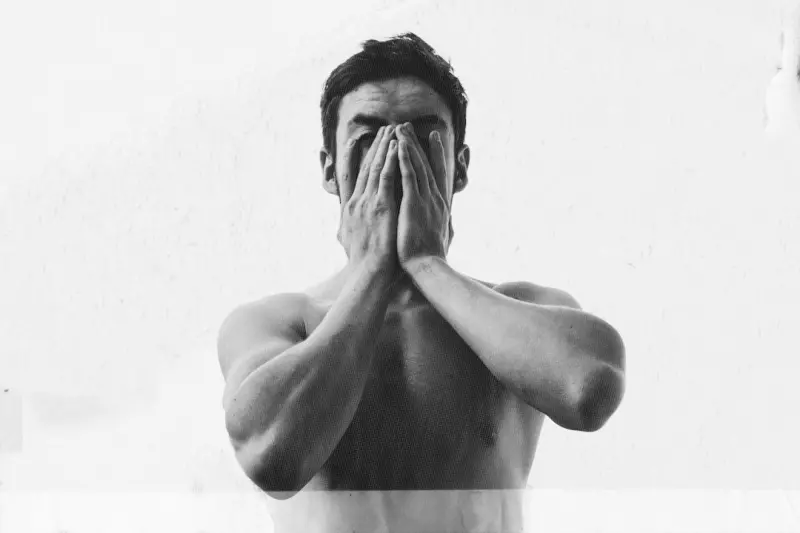
Why Traditional Fitness Isn’t Enough for Modern Men
When you hear “men’s health,” the first image that pops up is usually a gym, a set of dumbbells, and a protein shake. While strength training remains a cornerstone of physical well‑being, the reality of today’s high‑tempo, screen‑driven lives means that the old “lift‑heavy‑eat‑more” mantra no longer covers the full spectrum of vitality. Men are now navigating constant notifications, remote‑work ergonomics, and a relentless pressure to perform—not just at the office, but also in the family sphere.
What if the missing piece isn’t another set of reps, but a trio of simple, science‑backed practices that can be woven into any schedule? Breathwork, controlled cold exposure, and micro‑tech integrations can collectively reset the nervous system, boost hormone balance, and sharpen mental focus—all without demanding an extra hour at the gym.
In this post, I’ll break down the why and how of these practices, share actionable steps, and point you toward resources that blend lifestyle with emerging health tech. Think of it as a “maintenance manual” for the modern man’s engine.
The Science of Breath: More Than Just Oxygen
Breathing is the one involuntary action we perform thousands of times per minute, yet we rarely think about its impact beyond lung capacity. Recent research in neurophysiology shows that intentional breath patterns can directly modulate the autonomic nervous system, shifting the balance between the sympathetic “fight‑or‑flight” response and the parasympathetic “rest‑and‑digest” mode.
Two breathing techniques have risen to prominence for their measurable benefits:
- Box Breathing (4‑4‑4‑4): Inhale for four seconds, hold for four, exhale for four, and hold again for four. This rhythm stabilizes heart‑rate variability (HRV), a key indicator of stress resilience.
- Wim Hof Method: A combination of deep, rhythmic breaths followed by a prolonged breath hold. This not only elevates adrenaline temporarily but also triggers a surge in endogenous cortisol, which can help reset chronic stress pathways.
For men who feel the pressure to constantly “perform,” incorporating a five‑minute box‑breathing session before critical meetings or after a stressful call can dramatically lower cortisol spikes. Over time, consistent practice has been linked to improved sleep quality, sharper decision‑making, and even modest increases in testosterone levels, likely due to reduced systemic inflammation.
Cold Exposure: From Ice Baths to Daily Showers
If you’re skeptical about voluntarily shivering, you’re not alone. The idea of exposing your body to sub‑zero temperatures feels counterintuitive when the instinct is to stay warm. Yet the physiological response to cold is a cascade of benefits:
- Brown Fat Activation: Unlike white fat, brown adipose tissue burns calories to generate heat, boosting metabolism and aiding weight management.
- Improved Circulation: Alternating vasoconstriction (cold) and vasodilation (warm) promotes vascular elasticity, which can lower blood pressure and reduce the risk of cardiovascular disease.
- Neurochemical Boost: Cold triggers the release of norepinephrine, a neurotransmitter that sharpens focus, enhances mood, and combats depressive symptoms.
Practical entry points for the busy man:
- Cold Showers: Start with 30 seconds of cold at the end of your regular shower. Gradually increase to 2‑3 minutes as tolerance builds.
- Contrast Baths: Alternate 1 minute of cold water (50‑60°F) with 2 minutes of warm water (100‑110°F). Repeat 4‑5 cycles.
- Ice Packs: For a quick “reset,” apply an ice pack to the neck or upper back for 2 minutes during a work break.
Consistency is key. A daily 2‑minute cold exposure can produce measurable improvements in HRV within a month, mirroring the benefits of a structured cardio regimen but in a fraction of the time.
Integrating Tiny Tech for Big Gains
While breath and cold are low‑tech, the data‑driven world we inhabit offers tools to fine‑tune these practices. Enter smart sensors and small habits. Wearables that track HRV, skin temperature, and sleep stages can provide instant feedback on how well your body is responding to breathwork and cold exposure.
Here’s a simple workflow:
- Baseline Measurement: Use a wearable that reports HRV first thing in the morning for a week. This establishes your “resting” autonomic tone.
- Intervention Tracking: After each breath or cold session, log the perceived stress level and note the HRV change. Over time, you’ll see patterns—perhaps a particular breathing rhythm yields a 10% HRV boost on high‑stress days.
- Iterative Optimization: Adjust duration, intensity, or timing based on data. If a 5‑minute box‑breathing session before lunch spikes HRV but a 10‑minute session in the evening drops it, you’ve found your sweet spot.
Beyond HRV, many devices now measure skin conductance (a proxy for sympathetic activity) and peripheral temperature, offering a holistic view of how cold exposure is influencing circulation. Pairing these metrics with a simple journal can turn vague “I feel better” statements into actionable, quantifiable insights.
Beyond the Body: Mental Edge and Hormonal Harmony
Men’s health isn’t just about muscle mass or cardio endurance; it’s also about hormonal equilibrium and mental resilience. Chronic stress elevates cortisol, which in turn can suppress testosterone production, impair libido, and promote fat storage around the abdomen.
By regularly engaging the parasympathetic system through breathwork and cold, you create a hormonal balancing act:
- Reduced Cortisol: Consistent HRV improvements correlate with lower baseline cortisol.
- Optimized Testosterone: Lower cortisol frees up the hypothalamic‑pituitary‑gonadal axis, allowing natural testosterone synthesis to rebound.
- Enhanced Mood: Both breathwork and cold exposure increase endorphin release, combating the low‑energy “mid‑day slump” many men experience.
Combine these practices with a few additional lifestyle tweaks for maximum impact:
- Screen Hygiene: Adopt a “digital sunset”—turn off non‑essential screens an hour before bed. Blue‑light filters can preserve melatonin production, supporting deeper sleep.
- Posture Reset: Simple micro‑breaks to stand, stretch, and shoulder‑retract every 45 minutes can mitigate the chronic neck and back tension that often masquerades as “general fatigue.”
- Nutrition Anchors: Focus on micronutrient‑rich foods (zinc, magnesium, vitamin D) that support testosterone and immune health. Pair this with intermittent fasting windows to improve insulin sensitivity—a hidden factor in hormonal health.
Putting It All Together: A 30‑Day Blueprint
To make the concepts actionable, here’s a starter plan you can embed into a typical work‑week. Adjust based on personal schedule, but aim to hit each pillar at least three times a week.
| Day | Morning (5‑10 min) | Mid‑Day (2 min) | Evening (5‑10 min) |
|---|---|---|---|
| Mon | Box breathing (4‑4‑4‑4) – 5 min | Cold shower – 2 min | Wim Hof breathing – 8 min |
| Tue | Wim Hof breathing – 8 min | Contrast bath – 5 min | Box breathing – 5 min |
| Wed | Box breathing – 5 min | Cold shower – 2 min | Rest (focus on sleep hygiene) |
| Thu | Wim Hof breathing – 8 min | Ice pack (neck) – 2 min | Box breathing – 5 min |
| Fri | Box breathing – 5 min | Cold shower – 2 min | Wim Hof breathing – 8 min |
| Sat | Extended cold immersion (if accessible) – 5 min | Light movement (walk or mobility) – 10 min | Reflection journal + HRV check |
| Sun | Rest – focus on nutrition | Optional breath session (any) | Prepare digital sunset routine |
Throughout the 30 days, log your HRV, perceived stress, and any shifts in sleep quality. By the end of the month, most men report a noticeable “tightness release,” better focus during work sprints, and a subtle but consistent uplift in mood.
Addressing Common Skepticism
It’s natural to wonder whether these practices are just wellness buzzwords. The answer lies in the convergence of peer‑reviewed studies and real‑world data from thousands of users of wearable tech. For example, a 2022 meta‑analysis of cold exposure trials found an average 12% increase in brown fat activity and a 7% reduction in fasting glucose—both markers tied to longevity and metabolic health.
Similarly, breathwork has been incorporated into elite military training programs for its rapid impact on autonomic regulation. When you combine the two, you’re essentially giving your nervous system a “reset button” that can be pressed anytime, anywhere.
For men who are skeptical about adding another habit, remember that the time investment is minimal and the return on investment is high. Even a single five‑minute session can shift the neurochemical landscape enough to make the next meeting feel less daunting.
Leveraging Community and Accountability
Human beings are social creatures, and accountability can dramatically improve adherence. Consider joining a small online community (Slack or Discord) focused on “Men’s Vitality Hacks.” Share your HRV trends, breath logs, and cold exposure milestones. The collective data not only fuels motivation but also creates a repository of real‑world case studies that can refine the protocol for everyone involved.
If you prefer a more private approach, use a simple spreadsheet to track:
Date | Breath Method | Duration | Cold Method | HRV (morning) | Stress Rating (1‑10)
After a month, review the correlations. You may discover, for instance, that a 3‑minute cold shower after a box‑breathing session yields the highest HRV spike on days you rate stress as 8+. That insight is pure, actionable intelligence.
Future‑Proofing Your Health Strategy
Technology will continue to evolve, bringing even more granular biofeedback tools. As AI‑driven health platforms emerge, they will likely integrate breath‑and‑cold metrics with nutrition, sleep, and activity data to generate hyper‑personalized recommendations. By starting now with low‑cost, high‑impact practices, you position yourself at the forefront of a health revolution that values both data and simplicity.
In the meantime, the most powerful tool remains consistency. A few minutes of intentional breath, a splash of cold, and a quick glance at your wearable can together create a resilience buffer that protects you from the inevitable stressors of modern life.
Take the first step today: set a timer for five minutes, close your eyes, and try the box‑breathing sequence. Follow it with a brief cold rinse. Notice the shift. Then, log it. Your future self will thank you.

Craig Brett is a freelancer with a passion for the outdoors. His love for nature inspires his work, bringing authentic and engaging perspectives to projects related to outdoor activities, adventure, and environmental topics.
Related Posts
The Hidden ROI of Routine Health Check‑Ups for High‑Performing Men
A data‑driven approach to routine health check‑ups can transform a busy man's productivity, resi... Read More

The Hidden Health Benefits of Male Friendships
Strong male friendships are a hidden powerhouse for health—reducing stress, boosting heart health,... Read More

The Modern Man’s Blueprint: Balancing Hormones, Stress, and Longevity
A comprehensive guide for men to optimize hormonal health, reduce stress, improve sleep, and enhance... Read More
Top Posts

Microbiome‑First Body Detox: Let Your Gut Lead the Cleanse
A fresh, microbiome‑first detox strategy that goes beyond fads, focusing on gut health, circadian timing, and lifestyle habits to enable sustainable, whole‑...Read More

Unlocking Cellular Cleanse: Infrared Light, Heat, and Modern Detox
Explore the science behind infrared light and heat therapy as powerful tools for deep cellular detox, and learn a practical routine that integrates movement, ti...Read More

Navigating the Unexpected: A Personal Playbook for Living with Narcolepsy
A candid, experience‑driven guide reveals how to redesign work, nutrition, and social habits to thrive with narcolepsy, turning unexpected sleep episodes into...Read More
Your Desk as a Physiotherapy Hub: Turning Everyday Work into Movement‑Based Healing
Learn to convert your office chair into a low‑intensity physiotherapy station using movement micro‑breaks, digital posture feedback, and wearable cues, boos...Read More
0 Comments
Post Comment
You will need to Login or Register to comment on this post!