
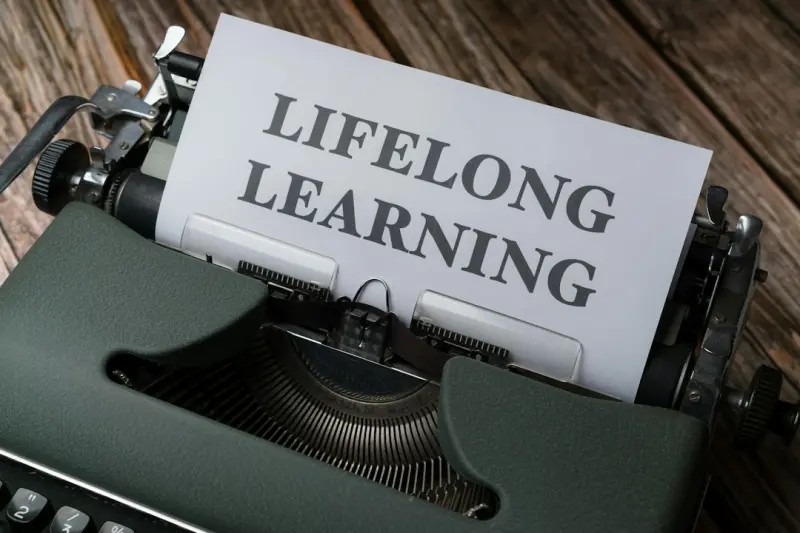
Why Learning Becomes the New Fountain of Youth
When most people think about longevity they picture anti‑aging creams, elite fitness routines, or the latest supplement. Those are valuable pieces of the puzzle, but there’s a surprisingly potent, low‑cost lever that most longevity programs overlook: purposeful learning. The act of consistently acquiring new skills, exploring unfamiliar ideas, and challenging mental models does more than keep the mind sharp—it triggers biological cascades that protect the heart, preserve cellular integrity, and fortify emotional resilience.
The Science Behind a Learning‑Driven Life Span
Neuroscientists have long documented the concept of neuroplasticity—the brain’s ability to rewire itself in response to experience. Recent longitudinal studies reveal a striking correlation: individuals who engage in structured learning activities well into their senior years tend to exhibit slower cognitive decline, reduced incidence of neurodegenerative disease, and even better cardiovascular markers. The mechanisms are threefold:
- Synaptic reinforcement: New information creates fresh neural pathways. The maintenance of these pathways demands metabolic energy, which in turn stimulates mitochondrial efficiency and reduces oxidative stress.
- Hormonal balance: Learning triggers the release of neurotrophic factors such as BDNF (brain‑derived neurotrophic factor) and hormones like dopamine and serotonin. These chemicals not only boost mood but also modulate immune function, lowering chronic inflammation—a known driver of aging.
- Stress adaptation: Engaging with novel challenges forces the body to practice adaptive stress responses. Over time, the hypothalamic‑pituitary‑adrenal (HPA) axis becomes more calibrated, making everyday stressors feel less threatening.
Learning as a Metabolic Reset
Beyond the brain, learning influences the body’s metabolic engine. When you study a language, practice a musical instrument, or decode a complex coding problem, you increase glucose utilization in the prefrontal cortex. This heightened demand prompts the liver to release glucose in a controlled fashion, preventing the spikes and crashes that accelerate glycation—a process that stiffens proteins and accelerates tissue aging.
Moreover, learning stimulates the production of autophagy, the cellular housekeeping process that removes damaged organelles. Researchers have observed that individuals who regularly challenge their cognition exhibit higher basal autophagy rates, translating to cleaner cells and a reduced burden of senescent cells.
Emotional Longevity: The Unseen Benefit
Longevity isn’t just about living longer; it’s about maintaining a quality of life that feels vibrant and purposeful. Continuous learning fuels a sense of mastery and autonomy—two psychological pillars linked to reduced mortality risk. When you master a new skill, the brain releases a burst of dopamine, reinforcing a positive feedback loop that encourages further exploration. This cycle combats feelings of stagnation and depression, both of which are independent predictors of early mortality.
Designing a Learning‑Centric Longevity Routine
Integrating purposeful learning into your daily rhythm doesn’t require a PhD or a massive time investment. The key is intentionality—select activities that are both challenging enough to stimulate growth and enjoyable enough to sustain consistency. Below is a framework you can adapt to your lifestyle:
1. Identify Your “Growth Zones”
Map out three domains where you feel both curiosity and modest competence. For example, you might choose:
- Technical (coding, data analysis)
- Creative (painting, writing, music)
- Physical (new sport, dance, yoga flow)
Choosing a mix ensures you’re engaging multiple neural circuits, which maximizes systemic benefits.
2. Set Micro‑Goals with Clear Metrics
Instead of vague aspirations like “learn Spanish,” commit to “complete one Duolingo lesson and practice five new phrases daily for two weeks.” Measurable goals create a dopamine‑driven reward loop each time you check the box, reinforcing the habit.
3. Leverage “Micro‑Learning” Moments
Modern technology makes bite‑sized education effortless. Use commute time for audio books, set a 10‑minute timer for a quick tutorial, or integrate small daily learning rituals into existing routines. The consistency of these micro‑moments outweighs occasional marathon sessions.
4. Pair Learning with Physical Activity
Studies indicate that coupling mental challenges with moderate exercise amplifies neurotrophic factor release. Try listening to a lecture while walking on a treadmill, or practice a language flashcard deck during a light jog. The dual stimulus creates a synergistic effect on both brain and heart health.
5. Reflect and Iterate
Every week, spend five minutes journaling about what you learned, what excited you, and where you struggled. Reflection consolidates memory and highlights patterns that can inform future goal setting.
The Role of Community in Sustaining Learning
Human beings are social creatures, and shared learning experiences dramatically enhance retention. Joining a book club, attending a coding meetup, or participating in a local art workshop introduces accountability, social reward, and exposure to diverse perspectives. These interactions also stimulate oxytocin, a hormone linked to reduced inflammation and improved cardiovascular health.
If you lack a local group, the internet offers countless forums and virtual classrooms. The crucial factor is regular, reciprocal engagement—don’t just consume content; contribute insights, ask questions, and mentor newcomers. This active participation deepens the neural imprint and reinforces the emotional bond to the learning habit.
Integrating Learning with mind‑body synergy
Learning doesn’t happen in isolation. Your gut microbiome communicates constantly with the brain, influencing mood, focus, and stress resilience. A diet rich in fiber, fermented foods, and polyphenols supports a diverse microbiota, which in turn improves the brain’s capacity to process new information. Consider pairing a learning session with a probiotic‑rich snack—such as kefir or a handful of nuts—to harness this gut‑brain dialogue.
Similarly, mindful breathing exercises before a study block can lower cortisol, creating a calm neural environment conducive to encoding memories. Even a brief 60‑second diaphragmatic breath can shift the autonomic balance toward parasympathetic dominance, priming the brain for efficient learning.
Measuring Longevity Gains from Learning
Quantifying the impact of learning on lifespan may seem abstract, but several proxy metrics can serve as indicators of progress:
- Cognitive tests: Use free online tools (e.g., memory recall, reaction time) quarterly to track improvements.
- Heart rate variability (HRV): A higher HRV often reflects better stress adaptation, which correlates with consistent mental challenge.
- Inflammatory markers: Periodic blood panels for CRP (C‑reactive protein) can reveal reductions in systemic inflammation associated with sustained learning.
- Subjective vitality scores: Rate your sense of energy, purpose, and mood on a scale of 1‑10 weekly.
When you notice positive trends across these dimensions, you’re witnessing the tangible return on your learning investment.
Overcoming Common Barriers
Time scarcity: Treat learning as a non‑negotiable appointment. Block a calendar slot just as you would a medical check‑up.
Fear of failure: Reframe mistakes as data points. Each error tells you what the brain needs to adjust, turning frustration into curiosity.
Information overload: Curate sources. Choose a few high‑quality platforms rather than scattering attention across countless channels.
Motivation dips: Rotate subjects every few months. Novelty reignites dopamine pathways and prevents burnout.
Case Study: A 55‑Year‑Old Engineer’s Turnaround
John, a senior mechanical engineer, reported feeling “stuck” after decades of routine work. He began a structured learning plan: two evenings per week he attended a community robotics club, and each Saturday morning he practiced a new language via a mobile app. Within six months, his HRV improved by 12%, his fasting glucose stabilized, and he reported a 30% boost in perceived energy. By the end of year one, John’s physician noted lower blood pressure and a more robust immune response. While anecdotal, John’s experience illustrates the multi‑system ripple effects of purposeful learning.
Future Trends: Lifelong Learning as a Public Health Pillar
Governments and insurers are beginning to recognize education as a preventative health measure. Pilot programs that subsidize adult education, community workshops, and digital learning platforms have shown reductions in healthcare costs and improved population‑level well‑being. As the evidence base grows, we can expect policy frameworks that embed learning into wellness guidelines alongside nutrition and exercise.
Takeaway: Make Learning Your Longevity Superpower
Longevity is a symphony of biological, psychological, and social notes. Purposeful learning strikes a resonant chord across all three, acting as a catalyst for cellular health, emotional fulfillment, and community connection. By embedding intentional, challenging, and enjoyable learning experiences into your daily rhythm, you’re not just adding years to your life—you’re adding life to your years.

Related Posts

Unlocking the Secrets to a Longer, Healthier Life: A Holistic Approach to Longevity
Unlock the secrets to a longer, healthier life with a holistic approach to longevity. Learn how to p... Read More

Chrononutrition: Eating with Your Body Clock to Extend Vitality
Chrononutrition explores the power of meal timing aligned with our internal body clock. By front‑l... Read More

Why Curiosity is the Secret Ingredient for a Longer, Healthier Life
Discover how cultivating curiosity can extend your lifespan by enhancing brain plasticity, reducing ... Read More
Top Posts

When the Daybreak Hits Too Hard: Rethinking Narcolepsy in the Modern Workplace
A deep dive into how workplaces can adapt to the unique needs of employees with narcolepsy, using technology, policy, and design to turn challenges into strengt...Read More

The AI Revolution in Vaping: Flavor, Safety, and Workplace Culture
Artificial intelligence is redefining vaping, delivering custom flavors, predictive safety, and workplace‑friendly policies that align with modern wellness go...Read More
Finding Rest in the Chaos: My Holistic Journey with Insomnia
A personal, holistic guide to overcoming insomnia—combining gut health, mindful exercise, and brain‑care strategies for peaceful nights....Read More
Pocket‑Sized Pressure Hacks: Tiny Daily Moves That Keep Blood Pressure in Check
A practical guide to micro‑movements, posture resets, hydration timing, and subtle tech tricks that together create lasting blood pressure improvements....Read More
0 Comments
Post Comment
You will need to Login or Register to comment on this post!