
The Data Gap in Autoimmune Care
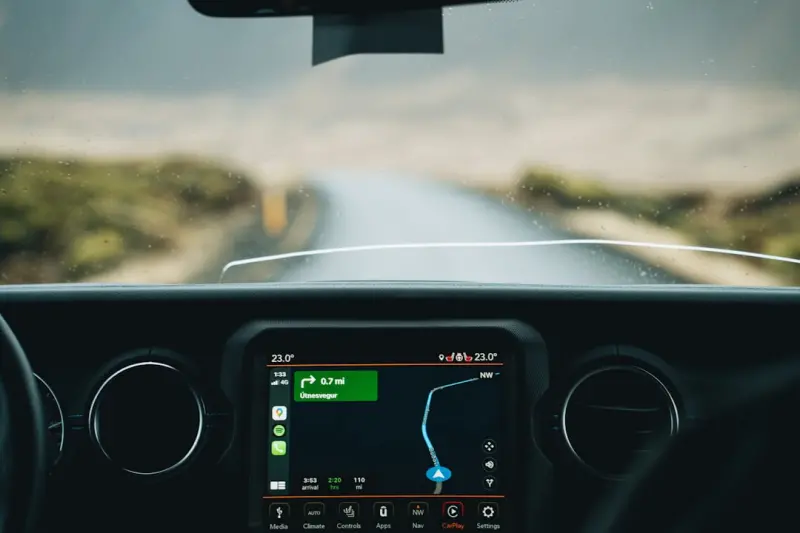
Living with an autoimmune condition feels like navigating a foggy road where the traffic lights change without warning, and traditional appointments rarely illuminate the underlying patterns that dictate our daily highs and lows. I have spent years collecting scattered lab reports, medication lists, and vague doctor notes, only to discover that the real story lies hidden in the moments between clinic visits, where temperature spikes, fatigue waves, and mood shifts silently dictate disease activity. Self‑tracking becomes the lighthouse in this murky landscape, offering a way to map the invisible terrain and reclaim agency over a body that often seems to act on its own mysterious agenda.
Why Wearables Are Not Just Gadgets
Modern wearables have evolved from simple step counters into sophisticated biosensor suites capable of capturing heart‑rate variability, skin temperature, oxygen saturation, and even electrodermal activity, all of which are physiologic windows into immune system stress. When I first strapped a continuous glucose monitor to my wrist out of curiosity, I quickly realized that the subtle dips and spikes correlated with the timing of my joint pain flare, suggesting a metabolic‑immune interplay that conventional blood panels missed. By embracing these devices, we gain a real‑time pulse on our internal environment, turning anecdotal flare‑ups into quantifiable data points that can be examined, compared, and ultimately understood.
Building a Symptom Diary That Talks Back
The most powerful insight emerges when objective sensor streams are layered with a disciplined, narrative‑style symptom diary, where each entry captures pain intensity, mental clarity, dietary intake, and stress levels in a structured format. I devote ten minutes each evening to log these variables, using concise bullet points that mirror the brevity of a lab report yet retain the nuance of personal experience, allowing patterns to surface without drowning in verbosity. Over weeks, this hybrid record transforms into a living manuscript that speaks directly to my clinician, shifting the conversation from “what is wrong?” to “what is happening right now, and why?”
Gut Microbiome: The Quiet Conductor
Emerging research increasingly points to the gut microbiome as a silent conductor orchestrating immune responses, with dysbiosis often preceding symptom spikes in conditions like lupus, rheumatoid arthritis, and ulcerative colitis. I began pairing my wearable data with regular stool analyses, noting that a sudden decline in microbial diversity consistently aligned with elevated heart‑rate variability and restless nights, hinting at a gut‑brain‑immune axis at work. For a deeper dive into how vibrations can influence this delicate ecosystem, see The Sound of Health: How Vibrations Can Tune Your Gut Microbiome, which offers practical auditory strategies that complement dietary tweaks.
Hormone Rhythms and Autoimmune Flux
Beyond the gut, our endocrine rhythms act as metronomes that can either synchronize or disrupt immune signaling, especially in women whose hormonal cycles intersect with autoimmune pathways. By tracking basal body temperature and menstrual phase alongside wearable metrics, I uncovered a recurring surge in inflammatory markers during the luteal phase, prompting a discussion with my endocrinologist about timing medication adjustments to these natural peaks. Insights from Reclaiming Energy: Syncing Hormones and Daily Rhythms for Women helped me design a rhythm‑aware schedule that respects my body’s innate cycles rather than fighting against them.
Movement as a Diagnostic Tool
Physical activity is often prescribed as a blanket remedy, yet the type, intensity, and timing of movement can reveal hidden clues about immune resilience or vulnerability. I experimented with the unscripted movement approach, integrating micro‑bursts of walking, stretching, and low‑impact cardio into daily routines while monitoring joint load via my smartwatch’s strain sensors. The data showed that gentle mobility in the morning reduced evening pain scores, whereas high‑intensity bursts later in the day amplified fatigue, underscoring the need for personalized activity scripts rather than one‑size‑fits‑all exercise plans.
From Raw Numbers to Meaningful Patterns
Collecting data is only half the battle; the true power lies in transforming raw numbers into actionable insights using simple analytics tools, spreadsheets, or AI‑driven platforms that can highlight correlations invisible to the naked eye. I set up conditional formatting rules that flag when my resting heart‑rate exceeds a personalized threshold for more than 48 hours, automatically generating alerts that prompt a symptom check‑in and potential medication review. Over time, these automated pattern recognitions become a second set of eyes, catching subtle trends before they evolve into full‑blown flares, effectively turning my body into a proactive partner rather than a passive victim.
Privacy, Ethics, and the Personal Data Frontier
While the promise of self‑generated health data is exhilarating, it also raises critical questions about privacy, data ownership, and the ethical use of personal health metrics in research and commercial contexts. I take deliberate steps to encrypt my data archives, use open‑source platforms that respect user sovereignty, and limit sharing to trusted clinicians who have signed confidentiality agreements. By establishing clear boundaries and advocating for transparent data policies, we protect our intimate health narratives while still contributing valuable insights to the broader autoimmune community.
Turning Insight into Empowerment
The ultimate goal of this data‑driven journey is not merely to document disease but to empower individuals to co‑create their treatment pathways, negotiate more informed conversations with providers, and anticipate flare‑ups before they dictate daily life. As I continue to refine my personal data ecosystem, I invite fellow autoimmune warriors to experiment with wearables, symptom journaling, and mindful analysis, remembering that each data point is a clue, not a verdict. Together, we can shift the paradigm from reactive care to proactive stewardship, forging a future where our bodies are understood on their own terms.

Brody Lambert is an emerging freelance writer whose fresh voice and thoughtful approach are quickly making their mark. As a fairly new entrant in the world of freelance writing, Brody brings a blend of curiosity and dedication that fuels every project, crafting stories and content that resonate with authenticity and clarity.
Related Posts

The Autoimmune Connection: A Holistic Approach to Wellbeing
Learn how to manage autoimmune disease with a holistic approach, prioritizing mental health, prevent... Read More
Taming Autoimmunity with Data, Community & Lifestyle
A data‑driven, community‑powered guide shows how everyday tweaks, wearable insights, and shared ... Read More
Decoding Autoimmune Disease for High‑Performance Professionals
A comprehensive guide for executives on recognizing, monitoring, and managing autoimmune disease to ... Read More
Top Posts

Curiosity as a Longevity Engine: How Lifelong Learning Rewrites Your Biological Clock
Exploring the hidden link between curiosity, brain health, and aging, this article shows how lifelong learning can reduce stress, enhance cellular resilience, a...Read More

Listening to Your Liver: Sound, Stress & Community for Hepatic Harmony
Tammy French explores an unconventional approach to liver wellness, highlighting the power of music, stress management, and supportive communities to keep your ...Read More

Why Curiosity is the Secret Ingredient for a Longer, Healthier Life
Discover how cultivating curiosity can extend your lifespan by enhancing brain plasticity, reducing stress, and fostering social connections, with actionable st...Read More

Sleep Terrors as a Secret Engine for Creative Resilience
Sleep terrors aren’t just disruptive nightmares—they’re physiological alerts that can be mapped, reflected upon, and turned into a catalyst for creative p...Read More
0 Comments
Post Comment
You will need to Login or Register to comment on this post!