

When I discovered I was expecting, the first thing that sparked both excitement and anxiety was my closet. My pre‑pregnancy wardrobe was a curated mix of timeless pieces, but suddenly the fit of everything changed, and the impulse to buy “the perfect maternity dress” began to feel like a clash with my long‑standing commitment to sustainability. This tug‑of‑war between personal style, bodily comfort, and planetary stewardship is a conversation many expectant parents haven’t had the chance to explore—yet it deserves a seat at the table.
Why Sustainable Choices Matter During Pregnancy
Pregnancy is a period of profound transformation, not only for the body but also for habits and values. The decisions you make now echo long after the baby arrives. Choosing eco‑friendly fabrics and production methods isn’t just a trend; it’s a practical way to reduce exposure to harmful chemicals that can leach from synthetic fibers, dyes, and finishes. Studies have linked certain petrochemical compounds in conventional clothing to endocrine disruption, which is especially relevant when your hormone levels are already in flux.
Moreover, the environmental cost of fast‑fashion cycles—water consumption, carbon emissions, landfill waste—multiplies when you buy items you’ll outgrow in a few months. By opting for responsibly sourced garments, you’re essentially reducing the chemical load on both your body and the planet.
Materials That Respect Your Body and Planet
Not all fabrics are created equal. Here’s a quick guide to the most pregnancy‑friendly, sustainable options:
- Organic Cotton: Grown without synthetic pesticides, it’s breathable, soft, and hypoallergenic. Look for certifications like GOTS (Global Organic Textile Standard).
- Hemp: Naturally antimicrobial and gets softer with each wash. Its robust fibers are excellent for structured pieces like jackets and pants.
- Tencel® (Lyocell): Made from sustainably harvested wood pulp, it drapes beautifully and wicks moisture, ideal for maternity tops.
- Recycled Polyester: While still a synthetic, recycled versions reduce landfill waste and require less energy than virgin polyester.
- Bamboo Viscose: Offers a silky feel and excellent breathability, but verify that the production process is eco‑certified to avoid harmful chemical runoff.
When evaluating a garment, ask yourself three questions: Is the material organic or recycled? Is the manufacturing process transparent? Does the piece have durability beyond the nine months of pregnancy?
Building a Capsule Wardrobe for Pregnancy
A capsule wardrobe isn’t about limiting style; it’s about maximizing versatility while minimizing excess. Here’s how to build one that evolves with your changing shape:
- Base Layers: Invest in a few high‑quality, stretchy tees and tanks in neutral tones. They serve as the foundation for dresses, skirts, and layering pieces.
- Wrap Dresses: The classic wrap silhouette adjusts effortlessly from the first trimester to the third, and it works for post‑partum celebrations too.
- Adjustable Pants: Look for high‑rise, elastic or drawstring waistbands. Some brands feature side seams that can be let out as you grow.
- Layering Cardigans and Light Jackets: These add warmth without bulk and can be paired with both casual and professional outfits.
- Multipurpose Accessories: A wide‑brimmed hat, a sturdy tote, and a supportive belt can transform the same outfit for different occasions.
By focusing on pieces that can be mixed, matched, and layered, you’ll reduce the total number of items you need to purchase—saving both money and resources.
Caring for Your Clothes Through Trimester Changes
Proper garment care extends the life of your investment and maintains the integrity of sustainable fibers. Here are a few best practices:
- Gentle Wash Cycles: Use cold water and a mild, plant‑based detergent to preserve elasticity and color.
- Avoid Over‑Drying: Air‑dry whenever possible. Excess heat can degrade fibers, especially in organic cotton and bamboo.
- Store Strategically: Hang dresses on padded hangers to prevent shoulder bumps. Fold knitwear loosely to avoid stretching.
- Spot‑Treat Stains Promptly: Natural stain removers like white vinegar or baking soda work well on organic fabrics.
These habits not only keep your clothes looking fresh but also reduce the frequency of replacements, reinforcing the sustainability loop.
Smart Shopping Strategies
Finding eco‑friendly maternity wear can feel like hunting for a needle in a haystack, but a few tactics make the search easier:
- Research Brands: Look for transparency reports, third‑party certifications, and supply‑chain disclosures.
- Shop Secondhand: Platforms dedicated to pre‑owned clothing often have gently used maternity sections. You’ll be giving a garment a second life while scoring a great deal.
- Rent When Possible: For special occasions, renting a beautifully crafted dress eliminates waste entirely. Many rental services now offer maternity options.
- Seasonal Sales: Purchase timeless pieces during off‑season sales and stock up on basics for the months ahead.
For a deeper dive into how early auditory experiences can influence infant health, check out research on early sensory development. Although not directly about clothing, understanding the broader context of prenatal wellness can inspire holistic choices.
Community Resources & Rental Options
Many urban areas now host “maternity swaps” where expectant parents trade gently used garments. These events foster community, reduce waste, and provide an outlet for those who outgrow their clothes quickly. Online forums also feature dedicated threads for sustainable maternity fashion, offering reviews, brand recommendations, and DIY alteration tips.
Rental services are emerging as a powerful solution for the “one‑off” nature of many maternity pieces. Companies that specialize in ethical fashion often have a curated selection of dresses, coats, and even nursing bras that you can borrow for a few weeks, then return for a thorough cleaning before the next user receives them.
Mindful Disposal and Upcycling
Even the most carefully chosen garments will eventually reach the end of their wearable life. Here’s how to handle that transition responsibly:
- Donate: Charities that accept maternity wear often distribute them to families in need.
- Upcycle: Turn an old dress into a stylish tote or a set of reusable fabric napkins. Creative repurposing extends the material’s usefulness.
- Recycling Programs: Some brands have take‑back schemes where they recycle fibers into new textiles.
Adopting a mindset that views clothing as a circular resource rather than a disposable commodity aligns perfectly with the nurturing spirit of pregnancy.
Final Thoughts: A Legacy of Care
Choosing sustainable maternity clothing is more than a fashion statement; it’s an act of care that reflects the values you’ll pass on to your child. By prioritizing organic fibers, building a flexible capsule wardrobe, and embracing community‑driven solutions, you protect your own health, reduce environmental impact, and model responsible consumption for the next generation.
If you’re curious about how technology can further support a low‑impact pregnancy, explore insights on digital tools for expectant families. The intersection of mindful living and modern innovation offers a roadmap for a healthier, greener journey from bump to baby.

Lifan Chen is a freelancer based in Toronto specializing in marketing. With expertise in crafting effective marketing strategies and campaigns, Lifan helps businesses grow their brand presence and reach target audiences. As a Toronto-based freelancer, Lifan combines local market insights with creative marketing skills to deliver tailored solutions for clients.
Related Posts

Beyond the Bump: Redefining Pregnancy Through Data‑Driven Self‑Care
A fresh look at pregnancy that blends wearable technology, real‑time nutrition tracking, and commu... Read More

Reimagining Pregnancy: A Blueprint for Holistic Empowerment
Discover a fresh, holistic approach to pregnancy that blends data insight, intentional space design,... Read More

Pregnancy as a Sensory Journey: Crafting Your Own Calm Oasis
A personal guide to turning everyday moments into a soothing, sensory‑rich experience that support... Read More
Top Posts

Why Men Need a Hormone Reset, Not Just a Gym Routine
Men’s health isn’t just about the gym. Learn how hormonal balance, gut health, stress reduction, and nature can boost performance and wellbeing with simple,...Read More

Micro-Progressive Hydration: Tiny Water Habits for Big Brain Gains
Learn the science behind sipping water in tiny, timed intervals and how this subtle habit fuels sharper focus, steadier energy, and stronger overall health....Read More

Skin-to-Skin: The First Immunity Boost for Your Baby
A warm, steady embrace does more than soothe; it triggers hormonal and immune responses that give newborns a head start on lifelong health. Learn practical skin...Read More
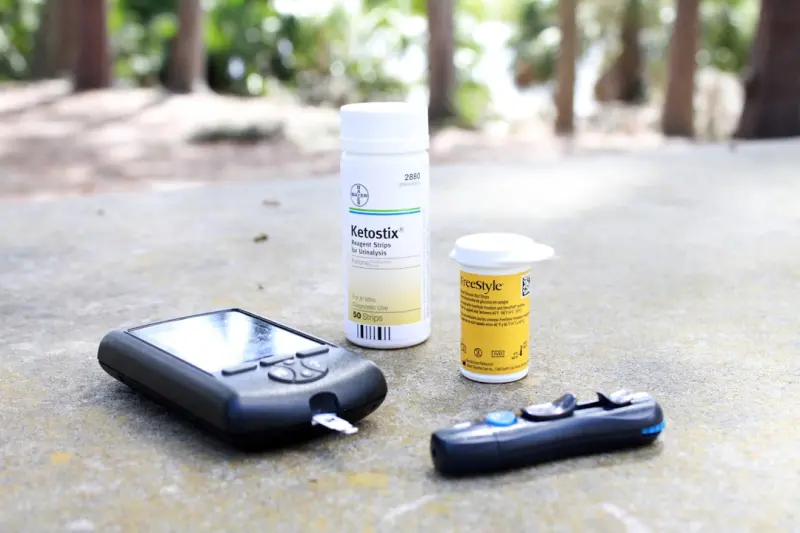
Prediabetes and the Invisible Workload: Managing the Hidden Stressors of a Silent Diagnosis
Prediabetes brings more than blood‑sugar concerns; it adds hidden stressors that affect identity, finances, and work life. This post uncovers those invisible ...Read More
0 Comments
Post Comment
You will need to Login or Register to comment on this post!