

Rethinking Blood Pressure as a Daily Narrative
Most people stare at a cuff reading as if it were a final verdict, yet the numbers are merely a paragraph in a larger story that we co‑author every sunrise; the moment we shift from a passive observer to an active narrator, the pressure begins to loosen its grip. I have spent years watching my own systolic spikes mirror moments of unchecked stress, and each time I reclaimed the pen—by asking “what am I feeding my nervous system right now?”—the curve softened, proving that the mental script is as potent as any medication. Embracing this narrative mindset doesn’t require a philosophy degree, just a willingness to notice the tiny plot twists—like an unexpected email or a cramped chair—and rewrite them with curiosity instead of resistance.
Data‑Driven Self‑Awareness Without the Overwhelm
Modern wearables can feel like a relentless data dump, but when you treat the stream as a conversation partner rather than a judge, the insight becomes actionable; I started by setting my device to log blood pressure only when I felt a physiological cue—like a racing heart after a heated meeting—to capture the context that matters. By cross‑referencing those moments with a simple spreadsheet, patterns emerged: a 30‑minute walk after lunch consistently nudged my diastolic lower, while late‑night screen time nudged it higher, a revelation that felt as satisfying as solving a mystery. If you need a roadmap for turning raw numbers into meaningful habits, the guide Data‑Driven Defense offers a template that can be repurposed for blood pressure tracking without drowning in metrics.
The Rhythm of Breath: Micro‑Cycles That Reset Pressure
Breathing is the only autonomic function we can consciously modulate, and the secret lies in micro‑cycles—short, repeatable patterns that act like a metronome for the vascular system; I discovered that a 4‑7‑8 inhale‑hold‑exhale sequence, practiced for just two minutes before a stressful call, triggers a parasympathetic surge that gently dilates arteries, lowering systolic spikes in real time. This isn’t a new yoga pose, but a pragmatic tool you can slip into a bathroom break or a coffee line, turning idle moments into pressure‑taming sessions. When paired with a visual cue—like a soft chime on your phone—the habit embeds itself, and over weeks the baseline reading begins to drift downward, proof that tiny breath work can outpace giant pills.
Food Timing: Aligning Meals With the Body’s Natural Clock
Our circulatory system follows a circadian rhythm, and feeding it at the wrong hour is akin to asking a night‑shift worker to run a marathon at dawn; I began experimenting by shifting my largest protein‑rich meal to early afternoon, a move supported by the research in The Power of When, which shows that post‑lunch digestion promotes nitric oxide production, a natural vasodilator that eases arterial tension. Complementing this timing with potassium‑laden foods—such as beetroot, avocado, and leafy greens—creates a biochemical duet that steadies the vascular tone, while avoiding heavy carbs after 7 p.m. reduces insulin spikes that can otherwise tug the pressure upward. The result is a smoother daily pressure curve that feels less like a roller coaster and more like a steady glide.
Ambient Environment: Light, Temperature, and Sound as Silent Modulators
Our surroundings whisper to our blood vessels long before we are aware, and I have learned to curate those whispers by dimming harsh LED glare after sunset, allowing melatonin to cascade and gently coax the arteries into a relaxed state; a soft amber lamp mimics dusk, signaling the body to lower cortisol, which in turn eases systolic pressure. Temperature plays a parallel role—cooler indoor air during the evening, achieved with a simple fan or open window, prompts peripheral vasodilation, distributing blood more evenly and preventing the evening surge many experience. Adding a low‑frequency ambient soundtrack—think ocean waves or distant rain—creates a soothing auditory backdrop that reduces sympathetic tone, a trick I borrowed from the Cellular Reset playbook but applied specifically to blood pressure regulation.
Movement Micro‑Moments: Short Bursts That Outrun Sitting
Extended sitting is the silent saboteur of vascular health, yet the antidote doesn’t require a gym marathon; I integrate three‑minute “standing sprints” into my workflow—standing, marching in place, and swinging arms—every hour, a habit that spikes heart rate just enough to stimulate endothelial function without exhausting energy reserves. These micro‑moments act like interval training for the arteries, prompting nitric oxide release and improving elasticity, which translates to a measurable dip in daytime readings. The key is consistency: a timer on your phone, a sticky note on the monitor, or a smartwatch vibration can remind you, and over a month the cumulative effect mirrors that of a weekly cardio class, proving that consistency beats intensity for blood pressure control.
Stress Alchemy: Turning Tension Into a Controlled Fuel
Stress is often labeled the enemy, yet when we transmute it through structured alchemy—quick journaling, a five‑minute gratitude pause, or a tactile grounding exercise—we convert chaotic cortisol spikes into a manageable energy source; I keep a pocket‑size notebook to capture the exact trigger and my immediate physiological response, then later rewrite the scenario with a calmer tone, which neurologically rewires the stress‑response pathway. This practice not only lowers the emotional surge that drives blood pressure upward but also creates a feedback loop where the brain learns to anticipate and moderate its own fight‑or‑flight reaction. By pairing this mental alchemy with a brief progressive muscle relaxation before bedtime, the nocturnal pressure dip becomes more pronounced, turning nights into a restorative reset rather than a battle.
Building Your Personal Blood Pressure Playbook
All the strategies above converge into a single, customizable playbook: start by choosing a wearable to log readings and set alerts for stress cues, then map your meal times using the timing principles discussed, and finally embed three environmental tweaks—soft lighting, cooler evenings, and ambient sound—into your home routine; each element should be trialed for two weeks, with a simple chart tracking systolic and diastolic averages before and after the change. When a particular habit proves effective—say the 4‑7‑8 breath cycle lowers your afternoon reading by five points—make it a non‑negotiable part of your day, and discard the tactics that show no impact. Over time, this iterative, data‑backed approach transforms blood pressure management from a static prescription into a dynamic, personal performance art, empowering you to steer your health with the same precision you would a favorite hobby.

William Roy is a freelance writer originally from Montreal who moved to Ottawa with his wife of 50 years to be closer to their grandkids. Alongside his writing, William has a passion for fishing.
Related Posts

The Desk‑Warrior’s Guide to Keeping Blood Pressure Low
A practical, data‑backed routine for knowledge workers: micro‑movements, breathing drills, and s... Read More
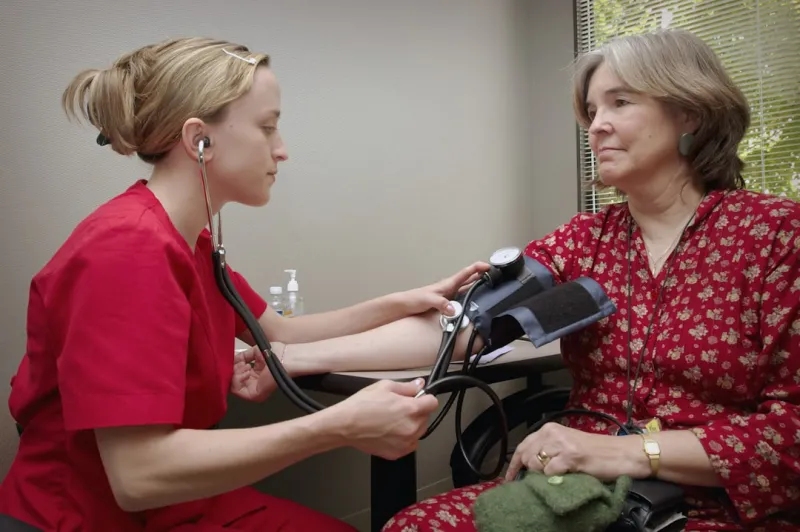
My Holistic Blueprint for Managing Blood Pressure Naturally
Nikki McDonald shares her personal, holistic plan for lowering blood pressure through diet, movement... Read More
Unlocking Everyday Levers to Naturally Lower Blood Pressure
Learn how simple daily tweaks—mindful breathing, nutrient‑rich foods, biofeedback tools, and rhy... Read More
Top Posts
Seasonal Body Detox: Aligning Your Cleanse with Nature’s Rhythm
Learn how to harness the power of spring greens, summer herbs, autumn roots, and winter broths for a gentle, effective body detox that respects your body’s na...Read More

The Importance of Sleep in Seniors' Health: A Holistic Approach
Sleep is essential for physical and mental health in seniors. Learn about the impact of sleep on health, common sleep disorders, and holistic approaches to prom...Read More

Pregnancy as the Ultimate Performance Upgrade: Data, Movement, and Mindset
This post explores treating pregnancy as a performance upgrade, using wearables, variable movement patterns, and data‑driven nutrition and mindset tools to bo...Read More
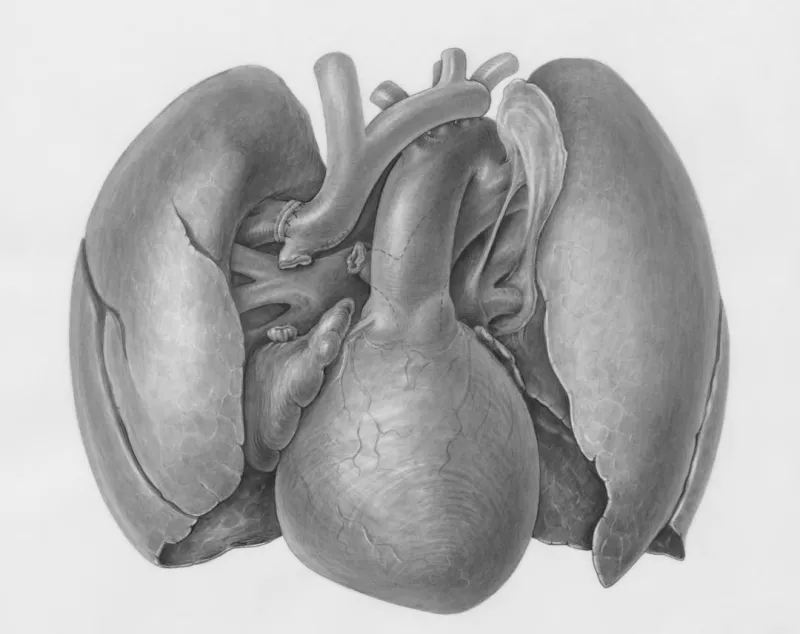
The Hidden Connection: Liver Health and Overall Wellbeing
The liver plays a vital role in maintaining overall health and wellbeing. Learn how liver health impacts mental health, sleep, and overall quality of life, and ...Read More
0 Comments
Post Comment
You will need to Login or Register to comment on this post!