
Why Sleep Apnea Became My Unexpected Wake‑Up Call
When I first noticed the nightly pauses in my breathing, I chalked it up to stress from my demanding consulting schedule and the relentless push to stay “always on.” I was wrong. Those silent, gasping moments were the body's way of shouting that something deep was out of balance. As a lifelong advocate for holistic living, I had always trusted diet, movement, and mindfulness to keep my health in check, yet sleep apnea slipped through the cracks, reminding me that even the most disciplined routines can miss hidden threats. The first night I woke up drenched in sweat, my heart racing, I felt a mix of fear and curiosity—a perfect catalyst for investigation. I dove into research, consulted sleep specialists, and started tracking my patterns with a wearable device, discovering that the apnea episodes were far more frequent than I imagined. This realization sparked a journey that merged modern diagnostics with ancient wisdom, leading me to re‑evaluate every facet of my nightly ritual.
The Science Behind the Silence: What Happens When You Stop Breathing
Sleep apnea isn’t just a nuisance; it’s a cascade of physiological events that can reshape your health landscape. When the airway collapses, oxygen levels dip, prompting the brain to jolt you awake just enough to reopen the passage. This fragmented sleep prevents you from reaching the restorative REM and deep‑slow wave stages, leaving you chronically fatigued. Over time, the repeated oxygen deprivation triggers inflammation, spikes blood pressure, and strains the cardiovascular system—factors that intertwine with conditions like hypertension and metabolic syndrome. The hormonal turmoil is equally striking: cortisol spikes, melatonin wanes, and growth hormone release falters, undermining both mental clarity and physical recovery. Understanding these mechanisms is crucial because it reframes apnea from a “snoring problem” to a systemic issue that demands a comprehensive, holistic approach. By recognizing the interconnectedness of breathing, brain function, and overall vitality, we can target the root causes rather than merely masking the symptoms.
My First Steps: From CPAP to Lifestyle Tweaks
Like many newcomers, my initial prescription was a CPAP machine—a mask that pushes pressurized air to keep the airway open. I was skeptical; the idea of sleeping with a plastic contraption felt antithetical to my naturalistic values. However, after a week of consistent use, I noticed a subtle shift: my mornings were brighter, and my mind cleared like a fog lifting. Still, I craved a solution that aligned with my holistic philosophy, prompting me to explore lifestyle modifications that could complement or even reduce my reliance on the device. I began by adjusting my sleep posture, elevating my head with a specialized pillow to ease airway pressure. Next, I tackled weight management through a plant‑forward diet rich in anti‑inflammatory foods, coupled with mindful movement like tai chi to strengthen core muscles that support airway stability. To deepen my understanding, I revisited Becky Putman's insights on natural apnea management. Her article, Becky Putman's Holistic Blueprint for Overcoming Sleep Apnea, offered practical tips that resonated with my own experiments, reinforcing the power of breathwork, nasal rinses, and magnesium supplementation.
Breathwork: The Unsung Hero in Apnea Recovery
One of the most transformative tools I discovered was intentional breathwork. Practices like the Buteyko method and alternate nostril breathing train the respiratory system to function efficiently, reducing hyperventilation and promoting nasal airflow—both essential for mitigating apnea events. I started each morning with a five‑minute diaphragmatic breathing routine, inhaling through the nose, expanding the belly, and exhaling slowly to activate the parasympathetic nervous system. Over weeks, this simple habit lowered my resting heart rate and steadied my nocturnal breathing patterns. I also incorporated humming during exhalation, a technique shown to increase nitric oxide production, which helps keep the airway dilated. The cumulative effect was a noticeable decline in apnea severity, as confirmed by my sleep tracker. This experience reinforced my belief that the breath is both a diagnostic tool and a therapeutic ally, capable of bridging the gap between clinical intervention and self‑empowerment.
Nutrition’s Quiet Influence on Airway Health
Diet plays a surprisingly pivotal role in sleep apnea, especially when inflammation and fluid retention are considered. I shifted toward an anti‑inflammatory regimen, emphasizing omega‑3 rich fish, leafy greens, and fermented foods to nurture a balanced gut microbiome. Reducing dairy and refined carbs helped limit mucus production and excess weight around the neck—a common contributor to airway obstruction. I also explored the impact of nighttime hydration; drinking a modest glass of water before bed prevented dry mouth, which can exacerbate snoring, while avoiding large fluid intake reduced nocturnal awakenings to use the bathroom. To solidify these concepts, I revisited my own guide on blood pressure, My Holistic Blueprint for Managing Blood Pressure Naturally, because the mechanisms overlap: both hypertension and apnea thrive on chronic inflammation. By aligning my meals with these principles, I observed steadier oxygen saturation levels and a calmer, more restorative sleep cycle.
Mind‑Body Synergy: Stress, Sleep, and Apnea
Stress is an invisible amplifier of apnea severity. When cortisol spikes, muscle tone in the throat can relax, making airway collapse more likely. I turned to meditation and gentle yoga before bedtime, creating a mental buffer that lowered my overall stress hormone load. A nightly ritual of journaling allowed me to offload lingering worries, ensuring that my mind was not replaying the day’s challenges as I drifted off. The practice of progressive muscle relaxation, where each muscle group is systematically tensed and released, also helped my body recognize the difference between wakefulness and sleep, reducing the frequency of micro‑arousals that fragment sleep architecture. By integrating these mind‑body techniques, I cultivated an environment where the nervous system could transition smoothly into deep, uninterrupted slumber—a critical factor for anyone battling sleep apnea.
Technology Meets Tradition: Tracking Progress Without Obsession
Modern wearables have become invaluable allies in my apnea journey, offering real‑time data on oxygen saturation, heart rate variability, and sleep stages. However, I guard against the trap of over‑analysis; numbers can become anxiety triggers if they’re not interpreted with compassion. I set a weekly review window, noting trends rather than day‑to‑day fluctuations, and paired the data with qualitative observations—how refreshed I felt, my energy levels, and mood stability. This balanced approach mirrors the philosophy I shared in Insomnia Unplugged: My Holistic Blueprint for Restful Nights, where I advocated for using tech as a guide rather than a ruler. By respecting both the science and the human experience, I maintained motivation without succumbing to data‑driven stress, allowing my body to naturally adapt and improve.
Future‑Proofing Your Sleep: A Holistic Blueprint for Longevity
Sleep apnea is not merely a short‑term inconvenience; it is a long‑term risk factor for cardiovascular disease, cognitive decline, and metabolic disorders. My evolving blueprint therefore includes periodic re‑evaluations with a sleep specialist, continued refinement of diet and movement, and an unwavering commitment to breath and mindfulness practices. I also schedule annual blood work to monitor inflammatory markers, ensuring that any hidden imbalances are caught early. The goal is to create a resilient system where each component—airway, mind, nutrition, and lifestyle—supports the others, fostering a sleep environment that sustains vitality well into my senior years. In the spirit of holistic longevity, I view each night's rest as an investment, a nightly reset that powers the body for the challenges of tomorrow. By treating sleep apnea with the same reverence I give to any other cornerstone of health, we can transform a disruptive condition into a catalyst for comprehensive well‑being.

Lifan Chen is a freelancer based in Toronto specializing in marketing. With expertise in crafting effective marketing strategies and campaigns, Lifan helps businesses grow their brand presence and reach target audiences. As a Toronto-based freelancer, Lifan combines local market insights with creative marketing skills to deliver tailored solutions for clients.
Related Posts

Sleeping Soundly: Paul Gray’s Holistic Blueprint to Tackle Sleep Apnea
Paul Gray shares a holistic, step‑by‑step plan—diet, detox, sleep environment, and mind‑body... Read More
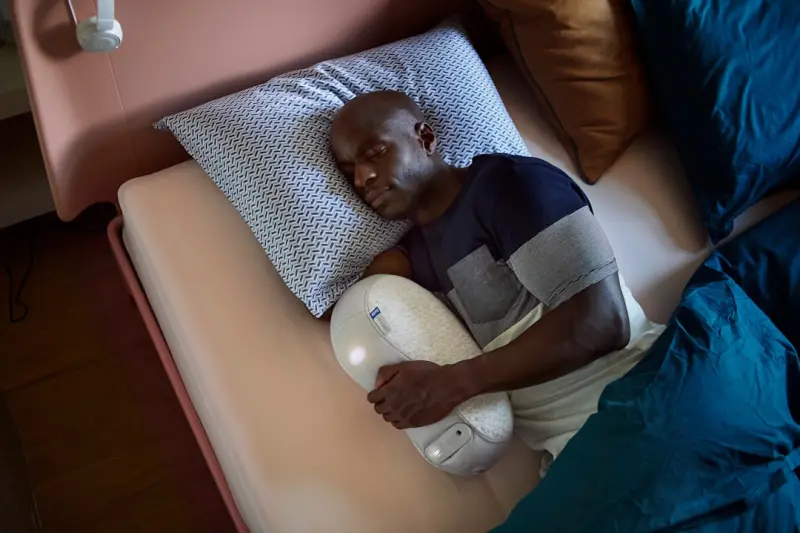
How AI‑Powered Wearables Are Quietly Transforming Sleep Apnea Management
An in‑depth look at how AI‑enhanced wearables, combined with optimized sleep environments and ho... Read More

Breathing Easy: My DIY Journey to Tame Sleep Apnea at Home
A personal exploration of home‑based tactics—environmental, breathing, tech, and nutrition—to ... Read More
Top Posts

The Hidden Environmental Cost of Disposable Vapes: What Every Vaper Should Know
Discover how disposable vapes pollute our world, the chemicals they contain, and practical steps you can take to vape responsibly while supporting greener alter...Read More

Flex Coverage: Health Insurance Solutions for the Gig Economy
The gig economy demands health coverage that adapts to fluctuating income and varied needs. Learn about subscription‑style plans, AI‑driven personalization,...Read More
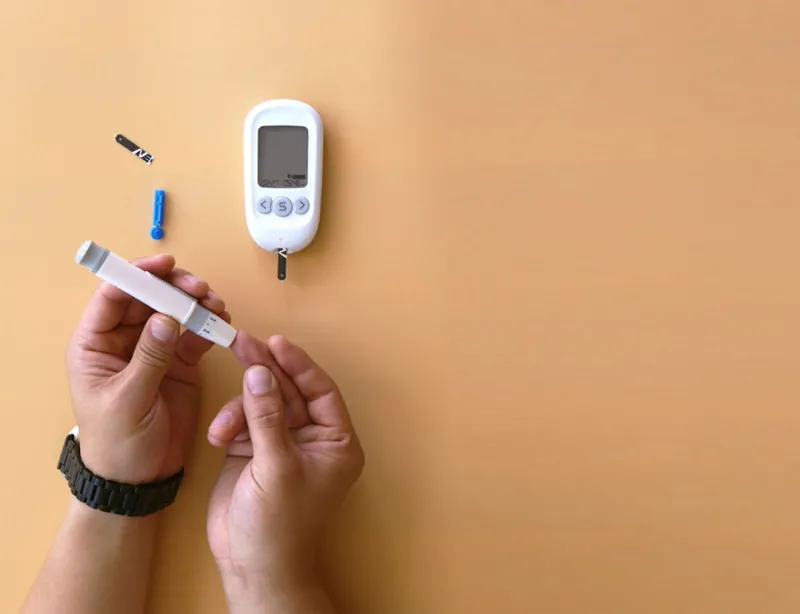
Balancing Blood Sugar the Holistic Way: Becky Putman’s Proven Blueprint
Becky Putman shares her personal, holistic approach to managing blood sugar, blending nutrition, stress control, sleep, and movement for steady energy and overa...Read More

Deb Roberts’ Holistic Blueprint for Sustainable Muscle Gain
Deb Roberts shares a holistic 30‑day plan that blends smart training, nutrition, sleep, and mindset to achieve sustainable muscle growth....Read More
0 Comments
Post Comment
You will need to Login or Register to comment on this post!